How to control aphids on spinach? Introduction to practical methods
Spinach is a common vegetable in daily life, with good taste and high nutritional value. It is well favored by consumers and has a relatively wide planting area. During cultivation, aphids are the pest with the highest incidence and the longest damage period on spinach, seriously affecting growers' profits. Below, the editor summarizes the symptoms, patterns, and control methods of aphids on spinach for everyone's reference.
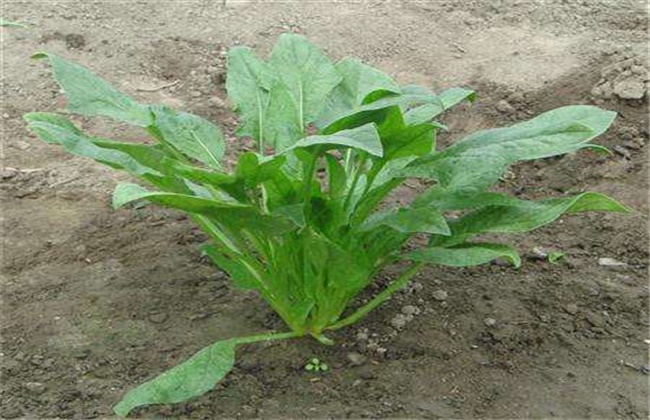
1. Damage symptoms
Aphids, also known as honey insects, mainly parasitize the leaves of spinach, using their piercing mouthparts to continuously suck the sap from the leaves. The areas after sucking lose water and wilt, ultimately causing the leaves to curl, growth to slow or stop, and spinach to grow poorly. During their outbreak period, large numbers of aphids gather on the leaves and can suck an entire leaf dry in a short time, causing the whole plant to wither and die. At the same time, they are also transmitters of various diseases, such as viral diseases, seriously affecting plant growth, affecting later yield, and possibly even causing total crop failure.
2. Occurrence patterns
Aphids reproduce extremely quickly, generally producing more than ten to twenty-plus generations per year. Their reproduction speed changes according to temperature conditions, and they can occur year-round in both the south and the north. Generally, more than 10 generations occur each year in North China, while 20-30 generations occur in the Yangtze River Basin. They have a strong attraction to yellow and an avoidance of silver-gray. They mainly gather as adults and nymphs on leaves and tender stems to absorb sap. The honeydew they secrete can also cause leaves to curl and growth to stagnate, and they can also spread diseases.
3. Control methods
To control aphids, work should be done in many aspects. First, biological control methods can be adopted to maintain ecological balance and make full use of the natural enemies of aphids for biological control. The natural enemies of aphids include the seven-spot ladybird, the harlequin ladybird, hoverflies, and others. Then carry out physical control. Aphids are relatively sensitive to yellow, and this can be fully utilized during planting by hanging yellow cardboard coated with pesticide between vegetable rows. The cardboard should be replaced regularly. This can reduce the use of pesticides, lower pesticide residues, improve quality, and achieve green, pollution-free food. Finally, chemical control can be adopted, using pesticides such as pirimicarb, dimethoate, and fenvalerate. However, attention should be paid to the concentration, and pesticides should be used alternately to avoid developing resistance.
The above is an introduction to how to control aphids on spinach. I hope it can help you. To learn more related knowledge, please keep following us.