What to Do When Summer Chinese Cabbage Doesn't Form a Head? Causes and Solutions
When it comes to vegetables, Chinese cabbage (napa cabbage) is certainly indispensable on tables in China. There are many ways to eat Chinese cabbage, such as pickled cabbage and kimchi, so market demand is high and many people grow it. But in recent years, the problem of summer Chinese cabbage not forming a head has given many farmers a real headache. Let's take a look below at the causes and solutions for summer Chinese cabbage not forming a head.
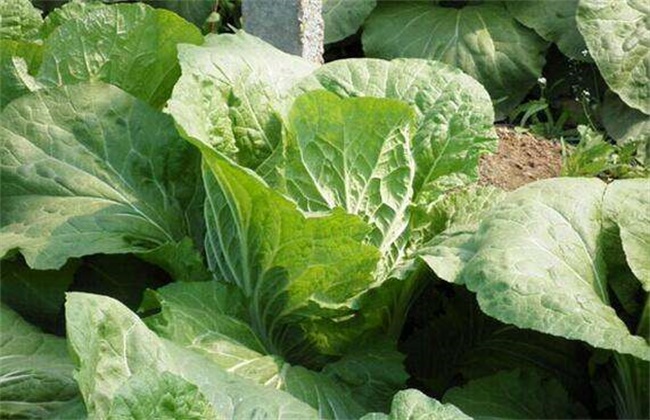
I. Causes of Not Forming a Head
1. Irrigation causes
Summer is hot and humid, with relatively heavy and frequent rainfall. When Chinese cabbage stays in a damp environment for a long time, its growth is seriously affected. A high-humidity environment is a real test for Chinese cabbage head formation, so it often leads to failure to form a head. In addition, summer temperatures are high and cabbage grows quickly, so it needs a lot of water. If water is insufficient, it will also fail to form a head. Therefore, irrigation must be done carefully: not too much or too little. After rain, drain promptly to avoid waterlogging that rots the roots.
2. Fertilization causes
In summer's high temperatures, many farmers, in order to promote cabbage growth, shorten the growth cycle and bring it to market early, tend to focus on applying quick-acting nitrogen fertilizer while neglecting other fertilizers. This leads to excessive nitrogen in the soil and insufficient phosphorus and potassium, resulting in failure to form a head or a loose head.
3. Pests and diseases
The hot, humid summer environment is also a peak period for pests and diseases. Common pests and diseases at this time include dry heart rot, soft rot, powdery mildew, viral disease, aphids, cabbage caterpillars, and so on. These pests and diseases can greatly affect the growth of Chinese cabbage and cause failure to form a head.
II. Solutions
1. Scientific irrigation
During the head-filling and heading stage of cabbage, maintain a uniform water supply. Remember not to give too little at times, and keep the soil moist. However, do not water too much each time; water little but often, generally once in the morning and once in the evening, and do not water at noon. After watering, use weeds to cover low-lying areas in the field to reduce water evaporation and maintain suitable soil moisture.
2. Reasonable fertilization
During the heading stage of cabbage, fertilize reasonably, control the amount of nitrogen fertilizer, and increase phosphorus and potassium fertilizer and organic fertilizer, so as to suppress excessive vegetative growth and promote head formation. Before and during head formation, apply monopotassium phosphate and NPK compound fertilizer separately, generally about 10-15 kg per mu, using the drenching method.
3. Manual head formation
During the heading stage of cabbage, a manual method can be used to assist head formation. You can use rope to tie the non-heading cabbages together, so that later they can still form heads.
4. Foliar fertilizer
During the heading stage of cabbage, spray a 0.3% urea and monopotassium phosphate solution once every 7-10 days, for 2-3 consecutive sprays, which has a clear effect on cabbage head formation.
5. Pest and disease control
During the heading stage of cabbage, pay attention to changes in the leaves. If pests or diseases are found, use pesticides promptly to prevent them from spreading further. For diseased plants that can no longer be treated, dig them out promptly and take them out of the field, and disinfect the diseased holes.
The above is an introduction to the causes and solutions for summer Chinese cabbage not forming a head. We hope it helps you. To learn more related knowledge, please follow us.