What to Do When Corn Does Not Tassel? Cause Analysis and Control Measures
As a major food crop in our country, corn is one of the important economic crops, but in recent years the phenomenon of corn not tasseling has become increasingly serious, severely affecting corn yield and bringing great economic losses to farmers. So what is the nutrition behind corn not tasseling? Let's find out together.
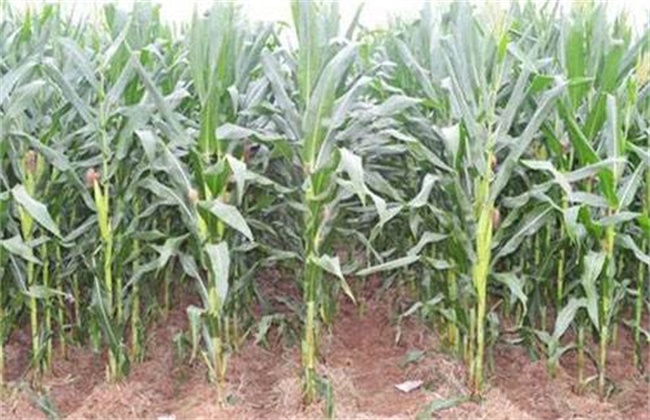
1. Symptoms of not tasseling
Corn not tasseling can manifest as three symptoms: first, no tassel is produced at all; second, the tassel produced is relatively short, only about 10 cm, with no branches and no anthers; third, the tassel produced has only 2-3 branches, and only a small amount of anthers on the main axis male flowers, with a small amount of pollen. Whichever of the above three symptoms occurs, it will cause a serious absence of pollen or a very small amount of pollen, preventing corn from completing pollination normally and affecting yield.
2. Causes of not tasseling
There are multiple causes of corn not tasseling. First, soil drought: corn is relatively sensitive to water at the tasseling stage, and if water is insufficient, poor tassel emergence or no tasseling will occur, and normal fertilization cannot take place. Second, insufficient nutrition: after corn enters the jointing stage, vegetative growth accelerates, and during tassel differentiation the demand for nutrients increases day by day; if nutrition is insufficient at this time, it is also a cause of no tasseling. Third, phytotoxicity: with the large-scale application of herbicides, normal growth of corn is seriously affected, and in severe cases it can lead to no tasseling or reduced yield, or even total crop failure. Fourth, damage from pests and diseases: pests and diseases of corn are becoming increasingly serious, and the pests and diseases that commonly cause corn not to tassel include smut, maize rough dwarf disease, and corn borer, aphids, red spiders, etc. Fifth, too long a photoperiod: corn is a short-day crop, and only under short-day conditions can it tassel, flower, and set seed normally; if the daily photoperiod exceeds 12 hours, it will lead to improper tasseling or no tasseling.
3. Control measures
It is necessary to ensure the water supply for corn during the ear stage. In areas with good conditions, two irrigations should be carried out during the jointing stage and half a month before the tasseling stage. In areas with poorer conditions, drought prevention work should be done well, and after rain, intertillage and loosening of the soil should be carried out to do a good job of water conservation. During the tasseling stage, the nutritional needs of corn must be ensured. The timing and amount of fertilization should be determined according to the fertility of the field. For fields with good fertility and strong seedling growth, less and later fertilization can be applied, while for poor land and plots with thin and weak seedlings, more and earlier fertilization should be applied. Topdressing is carried out in two applications. The first is during the jointing stage combined with watering, applying 5-7 kg of urea or 15-20 kg of ammonium bicarbonate per mu; the second is carried out 10-15 days before tasseling, combined with watering, applying 10-15 kg of urea or 30-40 kg of ammonium bicarbonate per mu. When using pesticides, attention should be paid to the type and concentration of the pesticide, and attention should also be paid to the prevention and control of pests and diseases, and diseases should be treated promptly when they occur.
The above is an introduction to the causes of corn not tasseling and control measures. We hope it can help you. To learn more related knowledge, please stay tuned to us.