Detailed Explanation of Spinach Field Management Techniques
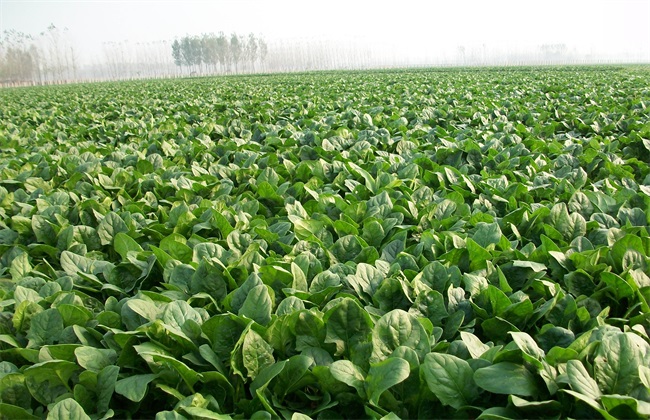
Spinach can generally be cultivated in all four seasons, but spring cultivation produces the best quality spinach. Therefore, seizing spring planting is most important for growers. However, hot summers and cold winters can both easily lead to poor spinach growth, making field management measures especially important at these times, as they can directly affect quality and yield. Let's take a look at how to do a good job of spinach field management.
1. Soil
Establish a seedling bed on flat land. If the soil is compacted or has an imbalanced pH, soil improvement cultivation can be carried out. Replace the 30 cm thick soil layer with a prepared nutrient soil mixed with decomposed organic fertilizer and river sand, or with natural black soil, humus soil, or similar soils. This can enhance the soil's fertilizer-retention and air-permeability, which is beneficial to spinach growth.
2. Seedling Raising
For early spring spinach cultivation, it is generally necessary to build a small covered tunnel with film for seedling raising. The seedling bed is best about 1 m to 1.2 m wide, so that a person standing in the ditch can reach both sides. The ridge surface can be about 4 cm above ground level, and the ditch depth is best at about 20 cm. Before sowing in the seedling bed, sun the bed for 3 to 5 days or carry out chemical spray disinfection. After emergence, promptly remove seedlings damaged by pests and diseases, as well as thin, small seedlings and yellowed, poor-quality seedlings. When the seedlings grow to two true leaves, thin them once more, leaving enough growing space until they are lifted for transplanting. Water thoroughly before transplanting, and try to keep as much soil as possible on the roots when lifting the seedlings.
3. Fertilization
When improving the soil, add some farmyard organic fertilizers such as compost and decomposed manure as base fertilizer. If it is natural humus soil, less fertilizer can be applied. After the seedlings emerge, immediately use dilute fertilizer water, applying thin fertilizer frequently to promote growth. After the seedlings emerge uniformly, apply a topdressing of nitrogen fertilizer once to prepare the seedlings for transplanting. After transplanting, apply less fertilizer water to avoid burning the roots. During the spinach growing period, apply nitrogen fertilizer topdressing in a timely manner, along with a small amount of phosphorus and potassium fertilizer. Applying too much potassium fertilizer tends to harden the stems, but not applying it makes the leaves prone to yellowing.
4. Water Control
After spinach grows leaves, water once. When two leaves have grown, water once together with thinning, weeding and fertilizing. During the vigorous growth period, a large amount of water is needed to maintain nutrient transport, so water thoroughly once every three days at this time. In cold winter, water several times when the leaves have grown to three leaves, but reduce the frequency of watering afterward to prevent frost damage.
5. Temperature
Seeds can germinate at around 18 to 30 degrees, and the optimum temperature for emergence is around 20 to 25 degrees. If the growing period temperature exceeds 30 degrees, the plants are prone to wilting and water loss. The autumn climate is suitable, so generally not much management is needed. In winter, during low-temperature and frosty days, a shed can be built for overwintering to prevent frost damage to the leaves or bolting. Natural open-field growth generally meets the required light, but covered cultivation can adjust the duration of light received.
If the above management points are done well in spinach cultivation, no matter which season spinach is grown in, good spinach growth can be maintained and diseases resisted. Harvesting high-quality spinach will also greatly increase its market value.