Corn Fertilizer Burn: Symptoms and Rescue Methods Explained in Detail
Corn is one of the main cash crops in China and is widely distributed across the country. How to increase corn yield is something many farmers care about, but during the growing process, excessive fertilization can cause fertilizer burn, and fertilizer burn has an extremely large impact on corn. So what are the causes of corn fertilizer burn? How should it be rescued? Let's take a look together.
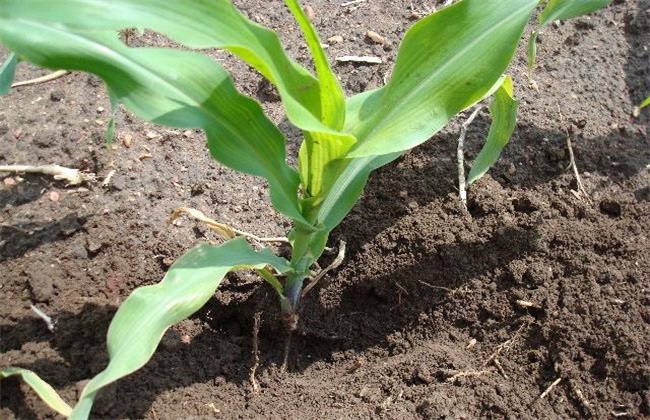
1. Symptoms of fertilizer burn
The most common symptom of corn fertilizer burn is dehydration. A single excessive application of fertilizer or a lack of soil moisture, with the soil concentration being relatively high after fertilization, causes the water in the corn to reverse-osmose into the soil, leading to a wilting appearance in the corn plants, just as if they had been scalded by boiling water. This is dehydration of the plants; in mild cases growth is slow, and in severe cases they die. In addition, leaf scorch can also occur. When a large amount of nitrogen fertilizer is applied under high-temperature conditions, ammonia gas is formed after volatilization, scorching the leaves and tender parts of the plants; in mild cases the leaf tips and leaf margins turn yellow, and in severe cases the entire plant turns red and dies.
2. Causes of fertilizer burn
In traditional fertilizer formulas, the nitrogen content generally does not exceed 15%. If the nitrogen content in the formula exceeds this limit, the corresponding fertilization method must be changed accordingly; otherwise, excessively high concentration will cause fertilizer burn and the normal root-burning phenomenon. When applying organic fertilizer or farmyard manure that has not been fully decomposed, a large amount of organic acids and heat will be released during the decomposition process, causing root burn. When soil moisture content is good, fertilizer dissolves relatively quickly, and years of cultivation will make the lower soil layer hard and shallow, restricting corn root growth, making the local fertilizer solution concentration relatively low, causing insufficient water supply and slow growth, and in severe cases causing water to flow backward, with the plants losing water and gradually heating up.
3. Rescue methods
In most cases, once fertilizer burn occurs, the damage can be quickly reduced by irrigating and soaking the field, because a large amount of water dilutes the fertilizer concentration. If too much nitrogen fertilizer has been applied, an appropriate amount of plant growth regulator can be sprayed to alleviate it, such as paclobutrazol. If too much phosphate fertilizer has been applied, more nitrogen and potassium fertilizers and other micronutrients can be added to adjust the reasonable proportion of soil elements. For scorch caused by ammonia gas, micronutrients such as boron, molybdenum and magnesium and a low-concentration potassium dihydrogen phosphate foliar fertilizer can be sprayed, and watering can lower the soil concentration and reduce the degree of damage.
The above is an introduction to corn fertilizer burn symptoms and rescue methods. We hope it can help you. To learn more related knowledge, please stay tuned to us.