How is field management done for sweet potatoes? Key technical points explained in detail
The sweet potato originated in our country and is an underground stem food crop rich in dietary fiber that strengthens the spleen and nourishes the stomach. It is also an important cash crop and feed crop for farmers and can be processed into various products. At present, most sweet potato cultivation is in the form of small-scale self-sufficiency, while large-scale cultivation is the main route for urban supply and also meets a huge demand. Below we will discuss the management techniques after planting that everyone is concerned about.
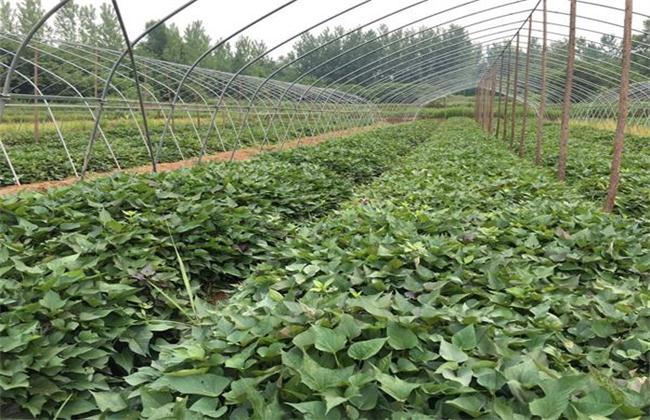
I. Growth measures
1. Three days after cutting and planting, check for survival. If missing plants or dead and withered plants are found, replant in time. If they have survived, some dilute fertilizer water can be used to help growth.
2. If a herbicide was used at planting, there may be little grass. If it was not used, then when weeds emerge, spray the corresponding herbicide to control weeds. Spraying should be done on a sunny, windless afternoon. At other times, if there is a small amount of grass, it can also be pulled by hand. For seed-shedding grass, it must be pulled before the seeds drop.
3. During the growth period, for good growth, during the seedling recovery stage, a certain amount of water-diluted quick-acting nitrogen fertilizer can be applied as a top dressing; during the tuber root swelling stage, a compound fertilizer should be applied as a top dressing in a fixed amount once every week.
4. Summer has a lot of rainfall, and when plants have sufficient nutrients and water, excessive growth occurs, which is not conducive to the enlargement of tuber roots. Therefore, one to two rounds of vine lifting can be carried out to break some fibrous roots and avoid consumption. However, the vines must not be turned over.
II. Water management
Sweet potatoes prefer a dry, deep, and well-aerated soil environment. Excessive rainfall and too much standing water cause the underground tuber roots to suffocate and rot, or become woody and stiff, with forking. Therefore, after heavy rain, promptly check whether the ditches and channels drain well. Sometimes the ditches need to be deepened, and ditches blocked by weeds need to be cleared, so that standing water drains quickly. If summer drought occurs, manual irrigation must be carried out every day after the sun goes down, and it must be thoroughly watered, not alternately dry and wet.
III. Disease and pest control
Sweet potatoes have very few disease and pest problems. The main one is damage by the sweet potato hawkmoth. Applying pyrethroid pesticide granules can control the young moths. If black spot disease appears, carbendazim can be used as a root drench for control, and generally it can be used as a preventive measure after planting.
Doing the above management methods after sweet potato planting well is very important, especially for large-scale planting, where these measures are even more necessary to maintain increased yield. Once you understand the general field management methods, you will know how to better apply them in combination with actual conditions.