How to prevent and control premature aging in peppers? Introduction to practical prevention and control measures
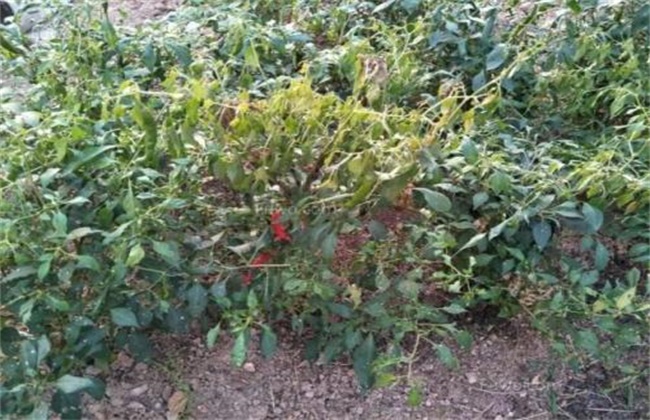
In the late growth stage of peppers, improper fertilizer and water management, damage from pests and diseases, or other factors often cause premature aging of pepper plants. Premature aging can seriously affect yield and, in severe cases, cause plants to die prematurely. To promote high yields in peppers, it is extremely important to avoid premature aging. So how should premature aging in peppers be prevented and controlled? Let's take a look at the detailed introduction below.
1. Strengthen fertilizer and water supply
Peppers should be topdressed in a timely manner to provide sufficient nutrients for plant growth and development. This is an important point in preventing premature aging of plants. Generally, before peppers begin to be harvested, they should be watered and fertilized in a timely manner. Usually, after each fruit harvest, they should be topdressed once, and then topdressed once every 10-20 days. For topdressing, decomposed human manure and urine or nitrogen and phosphorus fertilizers can be applied. Pay attention to the amount when using chemical fertilizers. Generally, apply 10 kg of diammonium phosphate, 5 kg of potassium sulfate, and 1 kg of urea per mu. Before application, dissolve them in water and then pour the solution around the pepper roots. It is not advisable to dig holes and apply it, so as to avoid damaging the pepper root system.
2. Scientifically prevent and control pests and diseases
One of the causes of premature aging in peppers is damage from pests and diseases. The common diseases are anthracnose and phytophthora blight, which mainly damage branches, leaves, and fruits. For anthracnose, a 500-fold solution of amobam can be sprayed once every 10 days for 2-3 consecutive times, with good results. For phytophthora blight, a 500-fold solution of chlorothalonil can be used for control, and a 500-fold solution of phosethyl-Al can also be used. Viral diseases and root rot can also be controlled by spraying. Drenching the roots with a 500-fold solution of carbendazim and thiophanate-methyl can control viral diseases and root rot. The main pest of peppers is aphids, which can be controlled by spraying a 2000-fold solution of pirimicarb.
3. Harvest at the right time
Timely early harvesting can prevent the fruits from consuming a large amount of nutrients from the plant, so as to avoid premature aging of the plant. If harvesting is too late, not only will too many nutrients be consumed, but it will also cause the plant to age prematurely and die. Except for red pepper varieties or seed production, the suitable harvest period is when the green fruits have not yet turned red. Generally, the interval between harvests should be 7-10 days. If the interval is too long, premature aging will occur. For red peppers, the suitable harvest time is when they begin to turn red. If delayed, nutrient consumption will increase and cause premature aging.
4. Avoid excessive vegetative growth
After the first round of pepper harvesting is completed, the plant is in the branch-resting stage. At this time, newly sprouted branches at the bottom should be pruned in a timely manner to reduce nutrient consumption. After the second round of peppers begins to form flower buds, tender shoots, ineffective branch buds, and flower buds on the plant should be removed in a timely manner to reduce nutrient consumption and promote fruit expansion.
The above is an introduction to prevention and control measures for premature aging in peppers. We hope it can help you. If you want to learn more related knowledge, please stay tuned to us.