What are the cultivation conditions for the phoenix mushroom? A full analysis of the environmental requirements
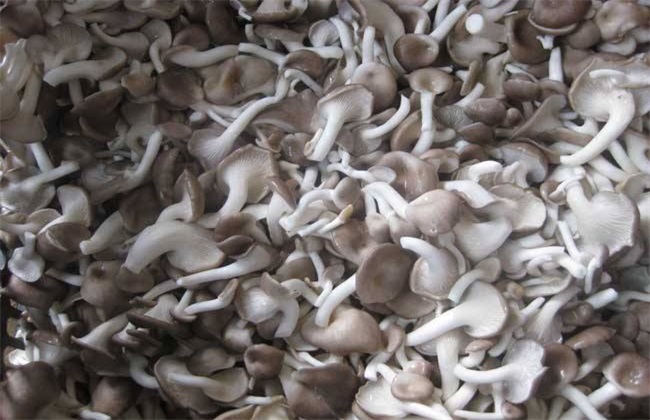
The phoenix mushroom, also known as the Xiuzhen mushroom, cocktail mushroom or grey oyster mushroom, is rich in protein, amino acids, vitamins and the minerals the human body needs, and has anti-cancer and anti-tumour effects. The phoenix mushroom is also suitable for people with diabetes and for those with obesity, and it can also help lower cholesterol. Most phoenix mushrooms on the market today are cultivated artificially, so what conditions are needed to grow phoenix mushrooms? Let's take a look below.
1. Nutrition
The phoenix mushroom has fairly strict nutritional requirements for cultivation; if the nutrient mix is improper or the nutrients are insufficient, the mushrooming of the phoenix mushroom will be affected. The raw materials suitable for the growth of the phoenix mushroom mycelium are mainly divided into carbon sources and nitrogen sources, including starch, glucose, maltose, cellulose and lignin, ethanol, peptone, yeast powder, ammonium sulfate and many other raw materials. We should mix them evenly in a reasonable ratio, and then use the mixture to cultivate the phoenix mushroom.
2. Temperature
The growth of the phoenix mushroom is very sensitive to temperature. In general, the most suitable temperature for the growth of the phoenix mushroom mycelium is between 25 and 30 degrees; the optimal temperature for the growth of the phoenix mushroom fruiting bodies is around 15 to 22 degrees. So we need to carry out scientific temperature regulation during the different growth stages of the phoenix mushroom. Generally, during the mycelium development period, the minimum temperature should not be lower than 10 degrees; at around 15 degrees the mycelium growth rate slows down; at 5 degrees it stops growing; and when the temperature is higher than 30 degrees the mycelium ages very quickly, so these are all temperatures unsuitable for the growth of the phoenix mushroom. In addition, during the growth of the phoenix mushroom, the day-night temperature difference is best kept at 5 to 8 degrees, as this can improve the yield and quality of the phoenix mushroom.
3. Humidity
The phoenix mushroom likes moisture, and its growth needs sufficient water, but the humidity should not be too high either, otherwise rotting can occur; if the humidity is too low, mushrooming is difficult, so humidity management is very important. When cultivating the phoenix mushroom, the humidity of the growing substrate is best kept at around 50 to 70 percent, as this gives the best mycelium growth.
4. Light
After inoculation, during the stage of mycelium growth and development, the phoenix mushroom generally should not be exposed to light, otherwise the growth of the mycelium will be inhibited, so we should cultivate it with shading. But once the mycelium has fully developed and entered the fruiting body development stage, we need to increase the light intensity, generally using scattered light; the light intensity should not be too strong either, otherwise the fruiting bodies of the phoenix mushroom easily turn black and develop the stiff mushroom phenomenon; but if the light is insufficient, deformed mushrooms easily appear.
5. Carbon dioxide
The amount of carbon dioxide in the air also has a fairly large effect on the growth of the phoenix mushroom, but this is also a very abstract concept, and we often overlook this point. During cultivation, we should keep the air fresh and reduce the carbon dioxide content. In fact it is very simple: just carry out reasonable ventilation management and ensure normal air circulation in the cultivation site.
The points mentioned above by the editor are all conditions required for cultivating the phoenix mushroom, and they are also the things we need to pay attention to when cultivating it. I hope the content above can help everyone, and I also hope that everything goes smoothly in your future cultivation.