Why Do Cucumbers Taste So Bitter? Detailed Explanation of Causes and Prevention Methods
Cucumbers can be used as both a vegetable and a fruit, and their crisp, refreshing taste makes them a favorite for many people. However, many growers say that the cucumbers they grow are quite bitter, with a taste almost like bitter melon, which seriously affects economic returns. So what causes the strong bitterness in cucumbers? How should it be prevented? Let's take a look together.
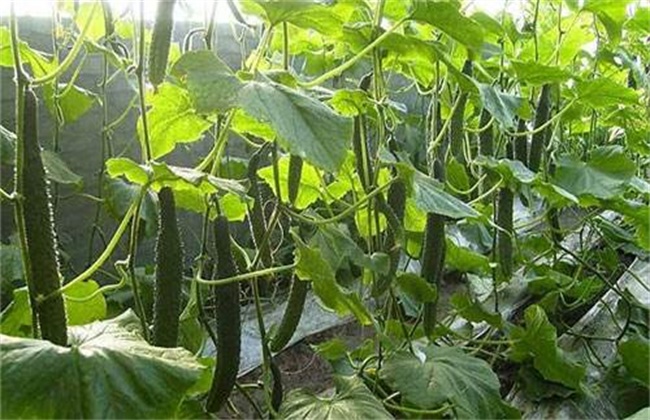
I. Causes of Strong Bitterness
1. Intrinsic reasons
The bitterness of cucumbers is natural, but the bitterness is usually mild and does not affect their taste. This bitterness is related to a substance called cucurbitacin C. Normal cucumbers have low levels of this substance, so the bitterness is mild. When its content is higher, the bitterness becomes stronger. Some cucumber varieties have higher levels of this substance, so they taste more bitter. Therefore, it is recommended to buy varieties with less bitterness.
2. Environmental factors
The external environment can also affect the bitterness of cucumbers. When the ambient temperature is too high or too low, their metabolism becomes disordered, causing the bitterness to worsen. Generally speaking, when the temperature is below 13°C, the absorption of nutrients and water by cucumbers is inhibited, which easily increases their bitterness. When the temperature remains above 30°C for a long time, their bitterness also increases. In addition, in an environment with good light, cucumber leaves can convert carbon dioxide and water into carbohydrates, reducing the concentration of bitter compounds. If there is insufficient light, the concentration of bitter compounds is higher, and the taste is also more bitter.
3. Improper management
Applying excessive nitrogen fertilizer during the cucumber growing period can lead to uneven fruit setting, and cucumbers growing from weak branches and side branches will be bitter. This is because nitrogen fertilizer promotes a deeper cucumber color and leads to an increase in bitter compounds. Under high temperature and water shortage, when the plant suffers physiological water deficiency, bitter cucumbers will also form. Watering with water that is too cold can also produce bitter cucumbers. Controlling seedlings for too long during the seedling stage can also cause excessive water loss in the plant, prompting an increase in bitter compounds. In addition, when cultivating and weeding, if the roots are damaged too much, the roots' absorption of nutrients and water weakens, resulting in malnutrition and bitterness.
II. Prevention Methods
When planting, choose excellent varieties with less bitterness. During planting, avoid low and high temperatures. Especially in greenhouse cultivation, temperature regulation should be strengthened to avoid the temperature threshold at which bitterness forms. In the early stage of fruit setting, the temperature should be above 13°C, and in the later stage it should be controlled below 32°C. At the same time, ensure sufficient light to promote carbohydrate synthesis and reduce the concentration of bitter compounds. Fertilization and watering should be reasonable, and it is not advisable to apply excessive nitrogen fertilizer. The ratio of nitrogen, phosphorus, and potassium fertilizers should be appropriate. During high temperature and water shortage, water in time, applying small amounts frequently, and the water temperature should not be too low, so as to avoid the formation of bitter compounds caused by water shortage. When cultivating and weeding, pay attention to the depth to avoid damaging the roots and affecting the roots' absorption capacity.
The above is an introduction to the causes of strong bitterness in cucumbers and prevention methods. We hope it can help you. If you want to learn more related knowledge, please follow us.