What to Do About Leggy Pepper Plants? Cause Analysis and Control Measures
Peppers are one of the most common vegetables in our daily lives and are grown all over the country, but anyone who grows them knows that peppers are highly prone to becoming leggy. Once leggy, pepper plants have thin, weak stems, large thick leaves, and thin, weak flowers that fail to set fruit, seriously affecting yield and returns. So what causes peppers to become leggy? How should it be controlled? Let's find out together.
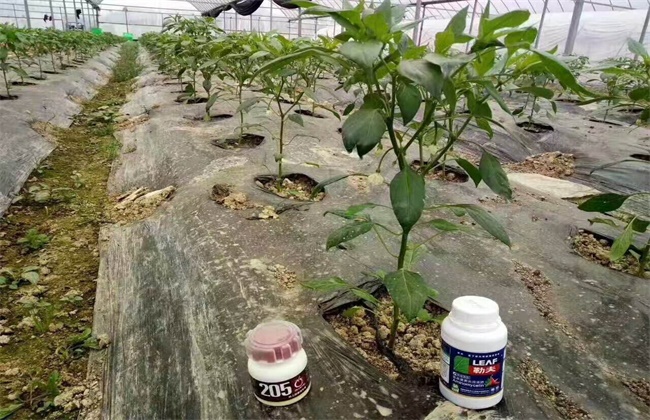
I. Causes of Legginess
There are many causes of legginess in normal pepper plants. When temperatures are too high, especially night temperatures, once the night temperature rises above 20°C, the plant's respiration increases, consuming nutrients excessively and causing legginess. When light is weak, such as during consecutive cloudy and rainy days or when the field is too densely shaded, the leaves' photosynthesis weakens and nutrient synthesis decreases; the plant's phototropism then drives the stems and leaves to compete for light, resulting in legginess. When field humidity is high, or during consecutive cloudy and rainy weather, or when watering is too frequent, the stems and leaves of pepper plants will also become leggy. When fertilizing, applying too much nitrogen fertilizer will also cause the plants to become leggy.
II. Control Measures
1. Grow Strong Seedlings
Before transplanting, complete the preparatory work of land preparation, fertilizing, and digging drainage ditches, so that the seedlings grow in an environment with higher humidity and higher temperature, plus sufficient nutrients, making their growth vigorous and helping them recover after transplanting.
2. Transplant at the Right Time
Pepper seedlings can be transplanted once they have grown 5-6 leaves. After transplanting, spray with agents such as Daconil or Amistar every 10 days to prevent disease.
3. Ventilation and Pruning
After the seedlings recover, maintain a certain temperature and ventilate to reduce humidity; the night temperature must not fall below 15°C, and ventilation should be provided both day and night. When the high-temperature summer period arrives, shade nets can be used for shading and cooling. In the middle and late stages of plant growth, prune branches and remove leaves appropriately to increase air movement between plants and avoid legginess caused by a densely shaded field.
4. Control Methods
When base fertilizer is sufficient, generally no watering or fertilizing is needed before flowering and fruiting, especially when plastic film mulching cultivation is used; after fruit set, water and fertilize according to the situation. However, the amount of nitrogen fertilizer applied must be controlled to avoid legginess caused by excessive application. During the flowering and fruiting period, coordinate the plant's vegetative growth and reproductive growth so that excessive vegetative growth does not affect normal fruit set, and at the same time use growth regulators to control vegetative growth.
5. Remedial Measures
For plants that have already become leggy, spray chlormequat or daminozide to control excessive growth. For severe flower and fruit drop caused by legginess, spray a naphthaleneacetic acid solution.
The above is an introduction to the causes of leggy pepper plants and control measures. We hope it helps you. To learn more related knowledge, please follow us.