A Detailed Guide to the Planting Techniques and Management Key Points of Facing-Heaven Chili
Facing-heaven chili, also known as sky-pointing pepper or small chili, is an especially spicy chili. Its size is somewhat smaller than ordinary chili, but its spiciness is several times that of ordinary chili, comparable to millet pepper, and it is deeply loved by people who enjoy spicy food. So how is facing-heaven chili grown? Let's find out together.
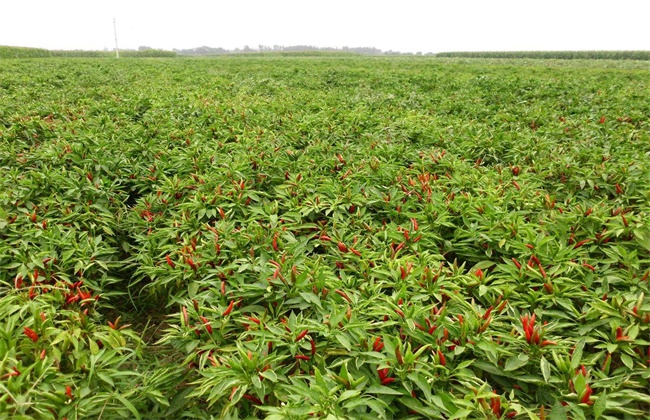
1. Sowing Time
The fruiting period of facing-heaven chili is relatively long, about half a year, so the best planting time for facing-heaven chili is between February and March in early spring. Under normal circumstances, facing-heaven chili is sown and raised as seedlings in early spring, and by April it can be planted. This is because after April the temperature gradually rises, and with the rise in temperature, the seedlings of facing-heaven chili grow very quickly. High temperatures are extremely favorable for the growth of facing-heaven chili and can also effectively increase yield.
2. Land Preparation and Fertilization
Facing-heaven chili has relatively high requirements for soil, especially for soil fertility, so when planting, relatively good soil should be chosen, and loose, fertile soil is preferable. After choosing the planting site, first plow the plot once to loosen the soil and increase permeability, which is beneficial to its growth. Then water it thoroughly once and let the sun expose it for several days, which can kill soil pests. Then apply farmyard manure as base fertilizer, make ridges and prepare for planting. Drainage ditches should be dug between the ridges for drainage, so as to avoid water accumulation during the rainy season that causes root rot.
3. Sowing and Seedling Raising
For facing-heaven chili, seeds can be purchased directly and then evenly scattered into the soil, followed by filling with soil and watering. You can also save seeds yourself and then carry out sowing and seedling raising. To improve the germination rate, the seeds can be soaked in water for half an hour, then scattered onto the seedbed, covered with a thin layer of soil, and then covered with a layer of film to keep warm and moist, which can speed up seedling emergence. After the seedlings break through the soil, remove the film in time, while keeping the soil moist to promote seedling growth. When the seedlings grow to about 10 cm, they can be transplanted. When transplanting, be careful not to break the seedlings. The transplanting spacing should be about 20-30 cm, with one plant per hole, then fill with soil and water.
4. Field Management
After planting, topdressing can be done once every half month, scattering some farmyard manure around the seedlings to make them grow quickly. At the same time, weeding should also be done well. When there are many weeds, herbicides can be used, but attention should be paid to the concentration and method of application to avoid phytotoxicity to the plants. In addition, the prevention and control of diseases and insect pests of facing-heaven chili is also essential. Many pests will eat all the leaves of facing-heaven chili clean, causing a decline in the yield of facing-heaven chili and also affecting the quality of facing-heaven chili, and in severe cases leading to no harvest at all, so pesticides should be used in time for prevention and control.
The above is an introduction to facing-heaven chili planting techniques. We hope it can help you. If you want to learn more related knowledge, please keep following us.