What are the key points of purple yam cultivation techniques?
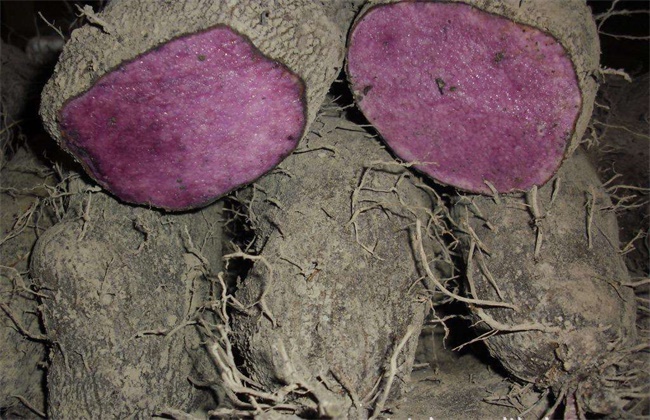
Purple yam, also known as purple ginseng or purple huai shan, is rich in various vitamins, proteins, amino acids and trace elements. It has extremely high nutritional value and dietary therapeutic value, and it is grown in many regions. So how should purple yam be cultivated? Let's find out together.
1. Site selection and land preparation
Purple yam is suitable for plots with convenient drainage and irrigation, loose and fertile soil, and deep soil layers. Sandy loam or loam with good permeability is preferable. Clayey or overly hard soil is not suitable, as it will affect the development and growth of its tubers, causing branching or deformity and affecting yield and quality. Before planting, deep plowing should be done in advance, using the sun to bleach the soil white, disinfect and sterilize it, and then prepare the land and make beds. Generally, the bed surface is about 50 cm wide, the bed height is about 30 cm, and the ditch width is about 30 cm. The bed surface should be leveled and finely prepared.
2. Sowing
Before sowing, first select disease-free seed tubers, remove the soil from them, and cut them into tuber pieces about 5 cm long and about 40-50 g in weight. After cutting, apply lime or plant ash to the wounds. Once the wounds are dry, they can be sown. When cutting the pieces, be sure to disinfect the knife to avoid infection by pathogens. The sowing time is generally chosen around Qingming, using a single-plant single-row method, generally with a plant spacing and row spacing of 30×80 cm, planting about 2,800 plants per mu, and using about 130 kg of seed per mu. When planting, open a furrow in the bed surface and apply fertilizer, putting compound fertilizer or farmyard manure into it, then cover with a layer of soil, and place the seed tubers into it.
3. Field management
After sowing, cover with plastic film. After covering with plastic film, tie and press the surroundings tightly. The plastic film should also be pressed down with clods of soil to prevent it from being blown apart by wind. After seedlings emerge, promptly break the film to prevent the young leaves from touching the plastic film and being scorched. Black plastic film is preferable, as the effect is better. After seedlings emerge, promptly set up trellises to guide the vines. Thin bamboo poles can be used to build A-shaped trellises. The trellises should be inserted firmly and tied tightly so they are not blown down by wind.
4. Fertilizer and water management
In addition to applying base fertilizer at sowing, purple yam has a relatively large nutrient demand during its growth period, so timely topdressing is also needed. Generally, when the stems and vines have fully covered the trellis, apply 25-35 kg of compound fertilizer and 10 kg of urea per mu. During the growth period, spray potassium dihydrogen phosphate and urea solution multiple times to prevent premature leaf senescence. Summer has high temperatures and frequent rain, making water accumulation and waterlogging very easy. To prevent waterlogging damage, drainage should be done well. In July-August, during a continuous week of drought weather, irrigate promptly to keep the soil moist.
The above is an introduction to purple yam cultivation techniques. I hope it can help you. If you want to learn more related knowledge, please follow us.