What precautions should be taken when planting cassia seeds?
The main medicinal part of cassia seeds is its mature dried seeds. They have effects such as reducing fat, improving eyesight, moistening the intestines, and relieving constipation, and are often used in our daily lives to make tea. At present, the main producing areas of cassia seeds in China are Anhui, Guangzhou, Sichuan, Zhejiang, and Guangzhou, among other places. So do you know what issues need attention when planting cassia seeds? Let's take a look together below.
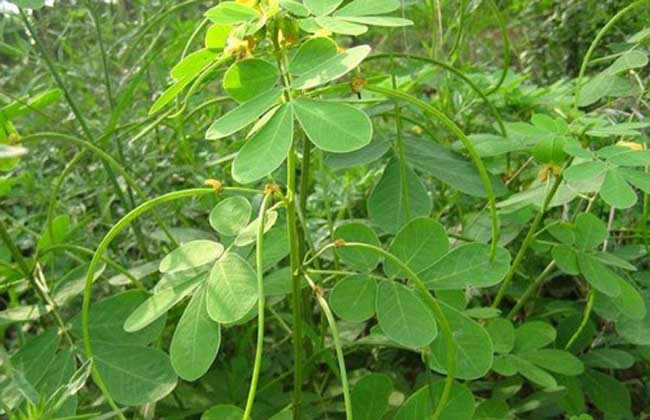
1. Seed treatment
After cassia seeds are harvested and stored, they are very dry, and the seed coat is also relatively hard. So to increase the germination rate of cassia seeds, we need to soak the cassia seeds in warm water at about 40 to 50 degrees for one day, then remove them after the seeds have fully absorbed water; then dry the seeds, soak them in a chlorothalonil solution for 15 minutes, remove them, rinse them clean with clear water, dry off the moisture, and only then can they be sown.
2. Sowing
When sowing, we must pay attention to the sowing depth. It cannot be too deep or too shallow, otherwise it will affect the germination rate of cassia seeds. Sowing is usually done by drilling. The depth of each furrow is about 5 cm. Scatter the seeds evenly, cover the seeds with soil, and then water each furrow once. At this time, we should note that watering should not be too much; a little watering is enough, otherwise the cassia seeds are easily damaged by soaking.
3. Density
Planting cassia seeds also has requirements for density. We should determine the planting density of cassia seeds according to various conditions such as the growth habits of cassia seeds, the fertility of the planting site, and the terrain of the planting site. Generally, the row spacing for planting cassia seeds is about 55 to 60 cm, while the plant spacing is about 25 to 30 cm. In this way, the planting site has good air permeability, can make full use of land resources, and is also convenient for later field operations.
4. Leaf removal and topping
When cassia seedlings grow to about 30 to 40 cm, we should top them and pinch out the growing tips, which can promote the growth of opposite branches and thereby increase the yield of cassia seeds. In addition, branches and leaves should be removed appropriately. For example, the leaves at the bottom of cassia seeds can generally be removed. This can not only reduce nutrient absorption but also improve field air permeability.
5. Hilling
When planting cassia seeds, we also need to pay attention to timely hilling. The hilling work for cassia seeds needs to be carried out in two stages. The first stage is before cassia seeds enter the flowering period, in order to enhance soil air permeability; the second stage is after cassia seeds form pods, when we should promptly hill them, which can prevent lodging, enhance the plumpness of cassia seeds, and achieve the goal of high yield.
The above points are issues that are easily overlooked during planting, but their impact on the yield and quality of cassia seeds is very great. So in future planting, everyone must pay attention to these issues. Of course, when planting, we also need to pay attention to water supply, nutrient supplementation, and pest and disease control.