What kind of environmental conditions does the growth of silver ear fungus require?
Silver ear fungus, commonly known as white wood ear, is a fungal vegetable with very high market demand in our country. Silver ear fungus has effects such as tonifying the spleen and stimulating appetite, nourishing yin and promoting bowel movements. Nowadays, the area planted with silver ear fungus is growing larger and larger, but it cannot be planted casually, because the growth of silver ear fungus has certain requirements for the environment. Therefore, what the editor introduces to you today is the environmental requirements for the growth of silver ear fungus. Let's take a look below.
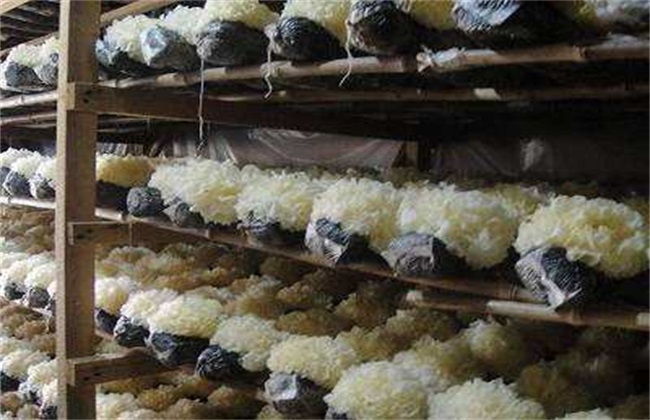
1. Temperature
Temperature is very important for the growth of silver ear fungus, and temperature use must be maintained when cultivating silver ear fungus. The mycelium and fruiting body of silver ear fungus have different temperature requirements for growth. During mycelial growth, the temperature should be controlled at around 22-26°C. If it exceeds 20-28°C, it will seriously affect mycelial growth and reduce yield. The temperature for the fruiting body should be controlled at around 20-25°C, with the minimum not lower than 16°C and the maximum not exceeding 26°C, otherwise it will lead to poor differentiation.
2. Humidity
Humidity is the key to ensuring the survival of silver ear fungus after planting, and suitable humidity is very important for the growth capacity of silver ear fungus. The formation of mycelium and the differentiation of fruiting bodies are also closely related to humidity. Humidity should not be too high or too low. If it is too high, the mycelium of silver ear fungus will grow thin and weak, the differentiation of fruiting bodies will be hindered, and they will cross and clump together. Therefore, we should adjust humidity appropriately according to the growth of silver ear fungus to ensure suitable moisture.
3. Light
Light also has a great impact on the growth of silver ear fungus. When cultivating silver ear fungus, be careful not to let direct sunlight shine on it. Otherwise, it will also affect the growth of mycelium and fruiting bodies. So when planting, we should pay attention to doing a good job of shading and providing an appropriate amount of scattered light. Light intensity affects the color of silver ear fungus. Insufficient light will delay the growth of fruiting bodies, while reasonable scattered light can significantly improve the quality of silver ear fungus.
4. Air
Silver ear fungus also has relatively high requirements for air. During the growth of silver ear fungus mycelium, the demand for oxygen increases with mycelial growth. Especially during the growth of fruiting bodies, due to enhanced respiration, their oxygen demand also increases greatly. Therefore, when cultivating silver ear fungus, attention should be paid to ensuring good permeability. If ventilation is poor, it will reduce the mycelial growth rate and affect yield.
5. pH
pH cannot be ignored when cultivating silver ear fungus either. Silver ear fungus is suitable for growing in a slightly acidic environment and can grow within a range of 5.3-7. However, the most suitable pH for the growth of silver ear fungus is around 5.5. Suitable pH can enhance the growth capacity of silver ear fungus. If it is on the alkaline side, yield and quality will be seriously affected, so everyone must pay close attention.
The above is a brief introduction to the environmental requirements for the growth of silver ear fungus. The growth environment of silver ear fungus is very important, and these are also management tasks we need to focus on doing well during cultivation. Therefore, everyone must pay attention and create a good growth environment for silver ear fungus. That is all for today's introduction. This article is for reference only, and I hope it can help everyone!