How to grow daylily seedlings? Detailed explanation of the key techniques
Daylily, also called golden needle vegetable, is a perennial herbaceous plant with very high nutritional value. Daylily also has various effects such as clearing heat and draining dampness, promoting digestion and improving eyesight. Moreover, daylily is also beneficial for postpartum recovery in women who have given birth. Nowadays, daylily is planted very widely, so how should we grow seedlings when planting daylily? Below, the editor brings you the seedling cultivation techniques for daylily. Let's take a look together!
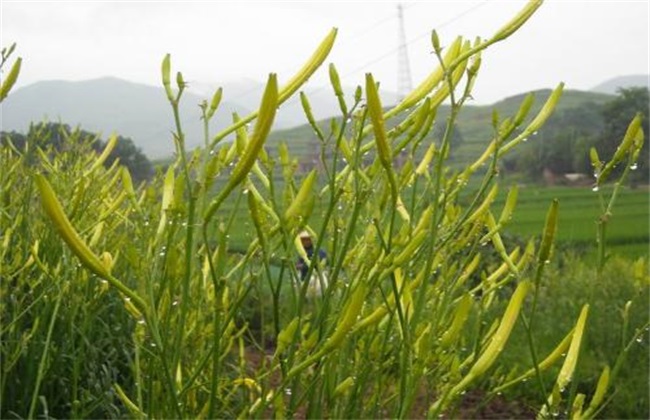
1. Seedbed preparation
Although daylily does not have great requirements for soil, if we want to grow daylily with high yield and high quality, then we still need to choose soil with sufficient fertility, strong permeability and normal drainage and irrigation for planting. Daylily is a perennial vegetable, so before planting we must pay attention to doing a good job of land preparation. Deep plowing the soil is very helpful for the growth of daylily roots, and the depth should be kept at about 25 cm. Then make ridges and beds to facilitate planting management. Control the length of the field beds according to the actual situation, mainly for the convenience of planting.
2. Seed propagation
The propagation method of daylily is generally mainly by sowing, which is also the main method for daylily to increase the speed of seedling production. First, we need to do a good job of retaining seeds for daylily. When the seeds are mature, take the seeds from the plant. Because the germination rate of daylily seeds is relatively low, we also need to do a good job of seed pregermination before sowing. Methods such as soaking seeds in warm water and mixing seeds with New High Lipid Film can both increase the seed germination rate and enhance the disease resistance of the seeds. Daylily propagation also includes cuttings, division and so on, mainly chosen according to the actual situation
3. Sowing management
The sowing method of daylily is mainly hole sowing. First, we need to control the sowing density and dig the sowing holes well. Remember not to sow too densely, to prevent the seedlings from growing too crowded and reduce the survival rate of the seedlings. Sow 2-3 seeds in each sowing hole, and after sowing cover with fine soil until the seeds are submerged. Then water appropriately to increase the soil water content, promote seed water absorption, and provide sufficient water for seed germination. But also control the amount well, and do not water too much, which would cause water accumulation, soil compaction, and hinder seed germination. Finally, pay attention to doing a good job of shading to prevent excessively high temperatures from affecting seed germination.
4. Timely transplanting
The seeds are transplanted about one year after sowing, usually after the flower buds of the plant are harvested. If it is division propagation, it is generally carried out after all the flower buds are harvested. Under normal management, seedlings can form in the winter of that year, new roots appear, and growth begins. When transplanting, we should control the transplanting quantity according to the actual situation such as soil fertility. After planting, pay attention to watering the root-setting water well, and then cover the base of the plant with a layer of plant ash. Then fertilize appropriately, mainly with farmyard manure, but not too much, to prevent fertilizer damage and reduce the survival rate after planting.
The above is a brief introduction to daylily seedling cultivation techniques. The seedling cultivation techniques of daylily are closely related to its yield, so everyone must pay more attention! That is all for today's introduction. This article is for reference only, and I hope it can be helpful to everyone!