Key Points of Tomato Seedling Cultivation Technology, a Complete Guide from Sowing to Strong Seedlings
Ripe tomatoes can be eaten both raw and cooked, but never eat unripe tomatoes. This is because unripe tomatoes contain carcinogenic substances, so they will affect your health. Although tomatoes can be planted by dibbling, we generally adopt the method of raising seedlings and then transplanting them. So do you know how tomatoes are raised from seed? Now follow the editor and read the introduction below about tomato seedling cultivation technology.
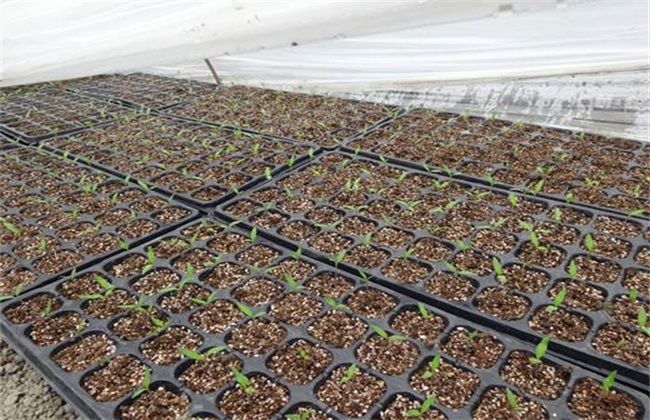
1. Seedling substrate
Seedling substrate actually refers to nutrient soil, so before sowing and raising seedlings we need to prepare the nutrient soil first. Generally, the pH of the nutrient soil should be moderate, or slightly acidic, and then an appropriate amount of quick-acting phosphorus fertilizer, quick-acting nitrogen fertilizer and quick-acting potassium fertilizer should be added to the soil, along with sufficient farmyard manure, and after mixing, stir evenly. In this way, the substrate used for raising seedlings is basically ready.
2. Seedbed preparation
For the tomato seedling plot, Yang Hui generally chooses a plot with flat terrain, simple topography, excellent water source conditions, deep soil layer, loose soil texture and sufficient fertilizer. Of course, there is one more thing, the drainage must also be good, otherwise it is very easy to get infected with diseases. Then evenly spread the prepared nutrient soil on the seedling plot, make the seedbed well, dig the drainage ditches well, level the seedbed, and finally you can wait to sow.
3. Germination management
Tomato seeds also need to go through a treatment process before sowing. First we need to rub the seeds, then put the seeds in clean water and soak them for about ten minutes, and remove the plump-less, pest- or disease-affected or inferior seeds. Then put the seeds into clean water at a water temperature of about 20 degrees and soak them, stirring constantly, until the water temperature drops. Then change the soaking water to warm water at a temperature of about 30 degrees and soak them, and after half an hour scoop them out. Then put the soaked seeds into potassium permanganate solution and soak them, and after fifteen minutes scoop them out, rinse them clean with clean water, and dry off the moisture. Finally place the seeds in a well-ventilated environment to dry off the moisture, and then place them in an environment at a temperature of about 25 degrees for germination. During germination, keep them moist, and spray a little water appropriately every day, otherwise the seeds will sprout unevenly.
4. Sowing method
Tomato seeds are generally raised around March every year, though in some areas it is done in July or August every year. When sowing, we can use three methods: broadcast sowing, drilling and dibbling, but no matter which one, ensure the sowing is even. After scattering the seeds, you need to cover them with a thin layer of soil about 1 cm thick, and the covering thickness must be consistent, otherwise it will affect the emergence of tomato seedlings. After covering the seeds there is one more thing to do, do not forget it, that is to water once, but the amount of water should not be too much, so as to avoid rotten seeds.
5. Seedbed management
After sowing, we should keep the seedbed temperature at about 25 to 28 degrees, and the air humidity at about 65 percent, so as to promote the speed of seedling emergence. Secondly, if there is a plastic film cover, then reasonable ventilation is also needed; if ventilation is poor, it will also affect tomato emergence. Generally, when there is no rainfall, water once about every two days. After the tomato seedlings emerge, keep them unwatered for about a week, and water only after a week, and carry out appropriate topdressing to promote seedling growth, so as to transplant as soon as possible.
The time for raising tomato seedlings generally does not exceed 25 days; usually half a month after the tomato seedlings emerge, we can transplant the seedlings for planting. That is all for today's introduction by the editor on tomato seedling cultivation technology; if you are interested, you can follow us.