How to Grow Asparagus? A Detailed Guide to Asparagus Cultivation Techniques
Asparagus (Asparagus officinalis) is a herbaceous plant in the Liliaceae family, genus Asparagus, and is widely distributed in China. At present, some wild resources still exist in certain areas of China, while it is mostly cultivated artificially in other regions. Asparagus is both a vegetable and a medicinal herb; as a vegetable, it is mainly used during the young shoot stage. So, do you know how to grow asparagus? What does the asparagus cultivation process look like? Today, let us learn about asparagus cultivation techniques together.
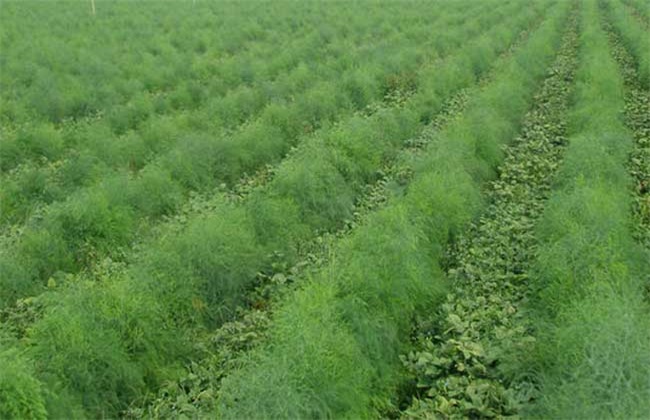
1. Soil and Fertilizer Management
Asparagus has strong resistance and is generally very easy to grow, with a cultivation survival rate that can basically reach over 95 percent. Asparagus has good adaptability to the environment, and ordinary planting sites can be used to grow asparagus. However, if you want asparagus to grow well, with good yield and good quality, then the planting site soil should be fertile, rich in organic matter, with abundant water sources, uncontaminated soil, deep soil layers, good aeration, strong water and fertilizer retention capacity, and sufficient sunlight. Note that the previous crop must not be a Liliaceae plant, and it should not be planted in clay soil. Before preparing the land, spread sufficient farmyard manure, with the amount controlled at around 1,000 kg, combined with around 20 kg of compound fertilizer for land preparation. Deep plowing is required, breaking the soil clods into fine pieces, then opening furrows and making beds, with the bed surface leveled flat.
2. Propagation Methods
We should select excellent asparagus seeds and also carry out seed soaking and germination. Because asparagus seeds are relatively hard and have poor water absorption capacity, we should soak the seeds in warm water at around 30 degrees for two days. During the soaking process, generally the water should be changed once a day, and the seeds should be rinsed with clean water once daily to avoid seed rot. During the germination process of asparagus seeds, if around 10 percent of the seeds show white sprouts, we can proceed with sowing, which is also a difference from germinating other crops. Sowing is generally done by direct seeding and drilling, evenly scattering the seeds in the field, then covering with soil to bury the seeds, watering once, and waiting for the seeds to sprout.
3. Cultivation Techniques
After the asparagus seeds sprout, when the seedlings grow to around 15 cm, we can carry out thinning and transplanting as well as seedling transplanting, with the density controlled at around 40 cm between rows and 25 cm between plants. After the transplants survive, soil should be hilled up twice, respectively at around half a month after the transplants survive and around one month after the transplants survive. When hilling up soil, the weeds growing in the field should be cleared away. When the seedlings grow to around 12 cm, carry out the first topdressing, mainly with cake fertilizer. Later topdressing should be carried out according to the growth of the asparagus, but the last fertilization is before the annual Frost's Descent, which can improve the resistance of asparagus so that it can overwinter safely. Also, during the topdressing process, we should still apply more organic fertilizer and use chemical fertilizer as little as possible. Finally, we should keep the soil moist. In hot and dry seasons, water in time, while in low-temperature or rainy weather, water less and drain in time.
4. Pest and Disease Control
The main diseases of asparagus are anthracnose, brown spot disease, and rust disease. These three diseases are the most harmful during the growth of asparagus, so after diseased plants appear, they should be burned promptly, and the soil should be disinfected. Before disease onset and in the early stage of disease onset, we can use anthracnose thiram wettable powder, benomyl wettable powder, and flusilazole emulsifiable concentrate respectively for control, spraying once every week, generally two to three times is sufficient. The most common pests include aphids, red spiders, and white grubs. When pests are found, they should be caught and killed promptly, or low-toxicity insecticides should be used for pest control.
Growing asparagus is actually very simple. As long as we generally follow the cultivation process described above, there will basically be no major problems. Of course, there are also some detailed management techniques that need to be understood. If you are interested, you can follow us.