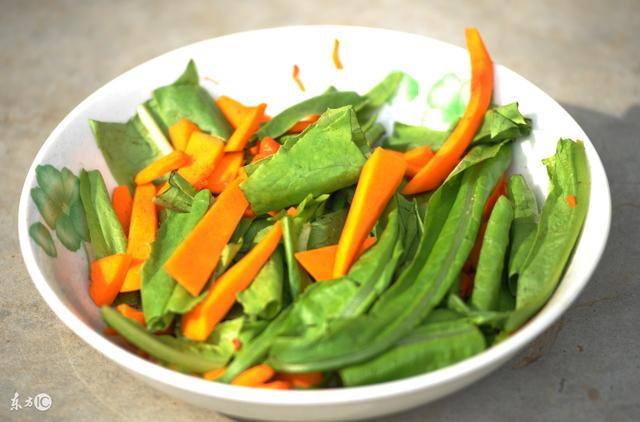
Which vegetables are best for babies to eat in winter?
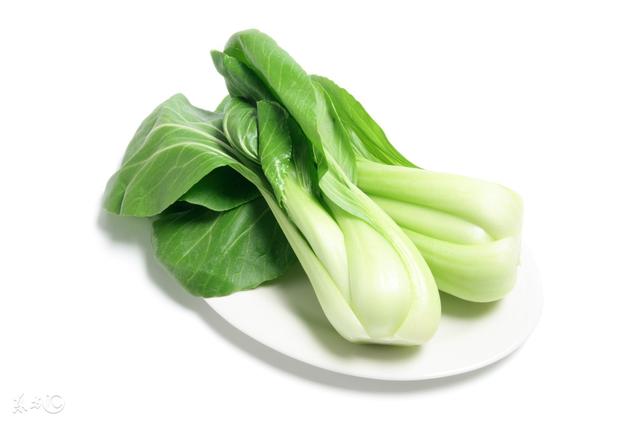
Baby bok choy
Baby bok choy nourishes the stomach and harmonizes the middle burner; its taste is bitter and slightly cold, and it helps relieve constipation and settle the stomach. Baby bok choy is rich in vitamin C and calcium, and also contains iron, phosphorus, carotene and B vitamins, among others, and has a pain-relieving and healing-promoting effect on gastric and duodenal ulcers.
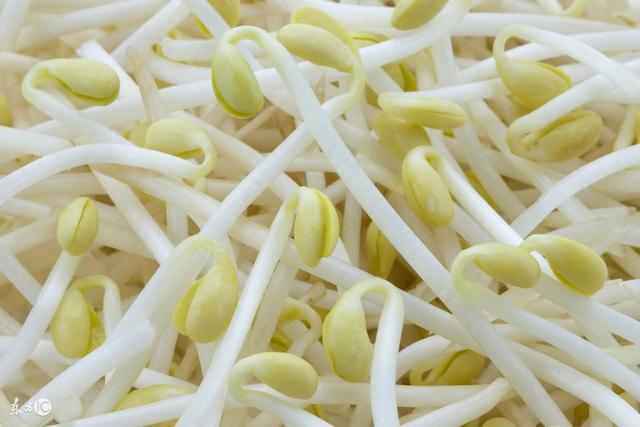
Bean sprouts
Soybeans and mung beans contain large amounts of protein, fat and carbohydrates, as well as essential dietary trace elements such as sodium, phosphorus, iron and calcium. After the beans sprout, they not only retain their original substances but also increase their vitamin content, which helps relieve fatigue. The chlorophyll in bean sprouts can also help prevent rectal cancer.
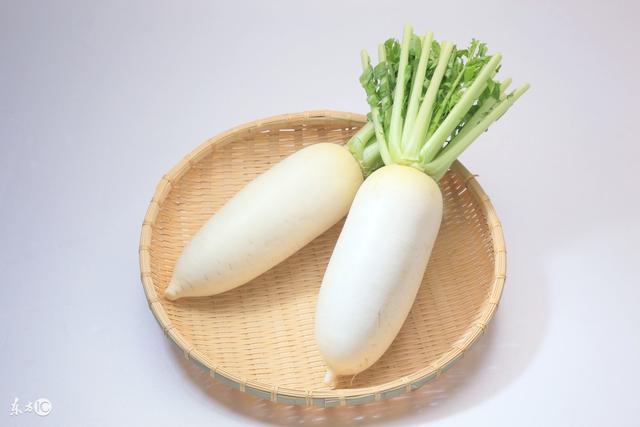
Radish
As the saying goes: "Eat radish in winter and ginger in summer." Although radish is cold in nature, it is only cold when eaten raw; during the peak season of autumn and winter, when the weather gradually turns cold, radish is very suitable for eating to nourish the body. Making soup with radish or stir-frying shredded radish are both good dishes.
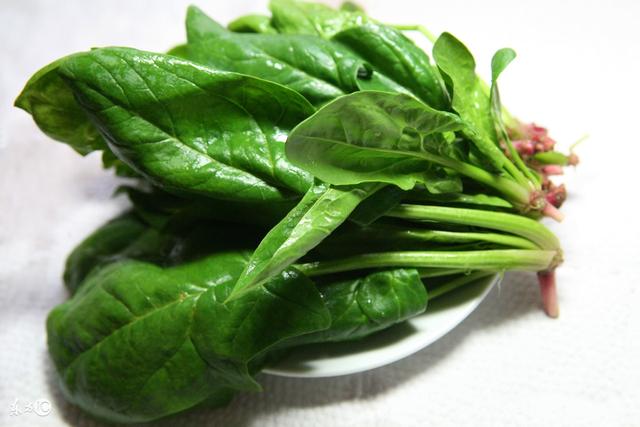
Spinach
Spinach contains large amounts of beta-carotene and iron, and is also an excellent source of vitamin B6, folate and potassium. Research has confirmed that spinach is one of the best sources of lutein and can help prevent eye aging. The antioxidants and vitamin K rich in spinach help activate brain function and strengthen bones.
Leaf lettuce
Leaf lettuce has high water content and low calories, and contains nutrients such as vitamin C, vitamin B2, carotene, and calcium, iron, phosphorus and potassium. It is also a good source of dietary fiber and can help prevent constipation. Among leafy greens, leaf lettuce contains relatively high amounts of vitamins as well as calcium and iron, and its levels of vitamins A, B and C are all quite high, so it is known as one of the finest "vegetables eaten raw."