Diabetics should not eat these vegetables
As people's living standards continue to rise and lifestyles change, the incidence of diabetes has shown an upward trend year by year, and diabetics doing a good job of self-care is the core of health. Diabetes is a common endocrine and metabolic disease and a lifelong disease. In the process of conquering such a chronic disease, one should consciously adhere to reasonable living habits. Many people know that once you develop diabetes, there are many dietary restrictions. Below are several vegetables that diabetics should avoid.
1. Beetroot
Beetroot has a relatively high sugar content, and blood sugar will rise noticeably in diabetic friends after eating it, so it should be avoided as much as possible.
2. Chinese chives
Chinese chives are warm in nature and can warm the kidneys and support yang; they are a traditional Chinese medicine that can warm and tonify kidney yang. Therefore, people with a yin deficiency and internal heat constitution should not eat them. Patients with early- and mid-stage diabetes and high blood pressure mostly have a yin deficiency constitution, and eating yang-tonifying foods and medicines will worsen their condition.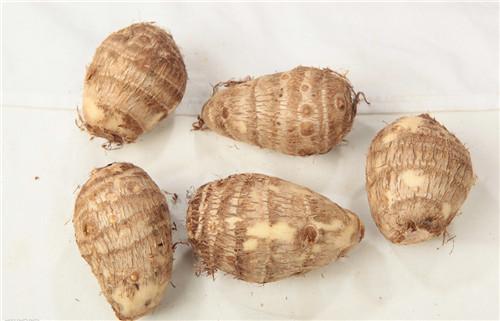 3. Taro
The main component of taro is starch, which is equivalent to the staple food we usually eat. Therefore, diabetic friends are not advised to eat much taro.
3. Pickled cabbage made from napa cabbage
Pickled cabbage can stimulate the appetite, but many nutrients in napa cabbage, especially vitamin C, are largely destroyed, and vitamin C has the effect of promoting insulin secretion and protecting blood vessel walls, so pickled cabbage should not be eaten in large amounts. 4. Chinese toon
Traditional Chinese medicine believes it can support yang, so generally people with kidney yang deficiency eat it. People with yin deficiency who eat Chinese toon, especially patients with yin deficiency and dry heat like diabetes, will not benefit the recovery of their condition. In particular, patients with diabetes complicated by fundus lesions will experience adverse effects on the treatment of eye disease.