These 6 vegetables should no longer be eaten during a woman's pregnancy!
During pregnancy, nutrition must be comprehensive. Whole grains, meat, eggs, fish, beans, milk, vegetables, fruits and so on all need to be eaten. In early pregnancy, pay attention to supplementing folic acid, and after the middle stage, pay attention to supplementing calcium. However, when supplementing nutrition during a woman's pregnancy, six vegetables should not be eaten or should be eaten sparingly.
1. Kelp
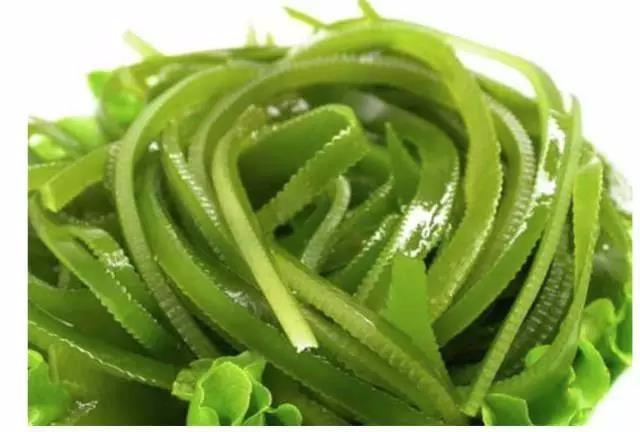
According to research, iodine deficiency in pregnant women can affect fetal development and cause low intelligence. Therefore, pregnant women should appropriately eat some kelp to supplement iodine in the body. However, note that if a pregnant woman eats too much kelp, excessive iodine intake may cause fetal thyroid development disorders and have some adverse effects on the fetus. It may lead to low thyroid function in the baby after birth. This principle is just like water being able to carry a boat and also capsize it.
2. Eggplant ⟧7⟧Based on some past experience, pregnant women are also advised against eating eggplant. As stated in "Bencao Qiuzhen": eggplant is sweet in taste and cold in nature, smooth in texture and laxative, and when eaten by pregnant women, its harm is especially evident. And "Yinshi Xuzhi" also holds that: eating eggplant after childbirth harms the eyes. For women, it can damage the uterus and cause infertility. Therefore, pregnant women had best avoid eating it; if they do eat it, they should also be cautious.
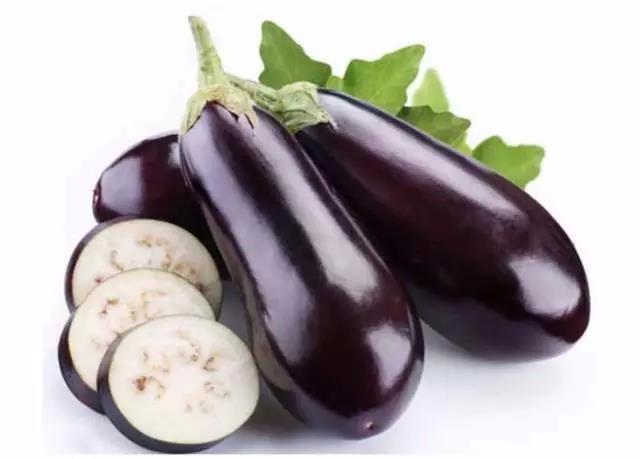
According to some past experience, pregnant women are also advised to avoid eating eggplant. As stated in the Bencao Qiuzhen (Seeking the Truth of Materia Medica): eggplant tastes sweet and has a cold nature, its texture is smooth and laxative, and when pregnant women eat it, the harm is especially evident. And the Yinshi Xuzhi (Essential Knowledge on Diet) also holds that: eating eggplant after childbirth damages the eyes. For women it can harm the uterus and cause infertility. So pregnant women had best avoid eating it, and if they do eat it, they should be cautious.
3. Ceylon spinach
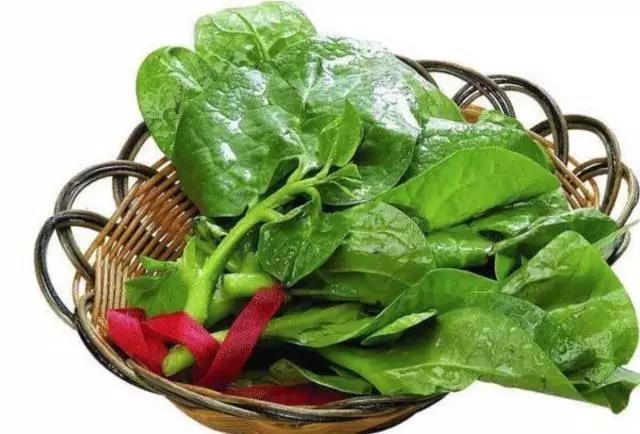
Also called sliding-belly vegetable, luokui, etc. Its nature is cold and slippery, and it has the drawback of promoting laxation and cooling the blood. In "Nanning City Drug Records", it warns: pregnant women should avoid taking it. Especially in early pregnancy and for pregnant women with a history of habitual miscarriage, it should be avoided even more.
4. Purslane
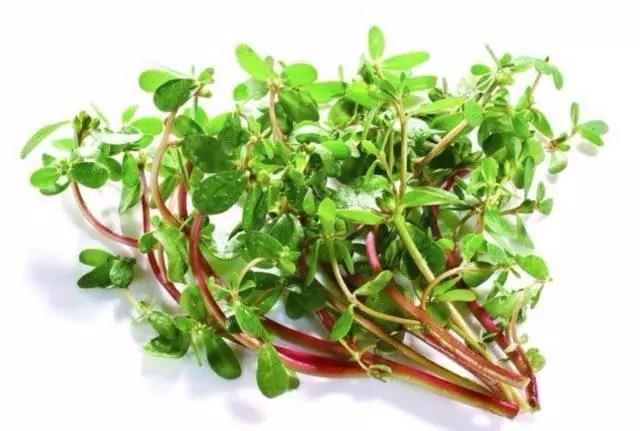
Also called purslane vegetable, it is cold and slippery in nature, so in early pregnancy, especially for those with a history of habitual miscarriage, it should be avoided. "Bencao Zhengyi" once said: it can also enter [the body] to break blood stasis. And Li Shizhen of the Ming Dynasty also believed that purslane disperses blood and reduces swelling, promotes bowel movement and slippery miscarriage. And according to modern clinical practice, purslane can cause the uterine smooth muscle to contract, so pregnant women should avoid eating purslane. However, if it is before labor, this is an exception; one can eat more purslane, which is instead more helpful for a smooth delivery.
5. Arrowhead
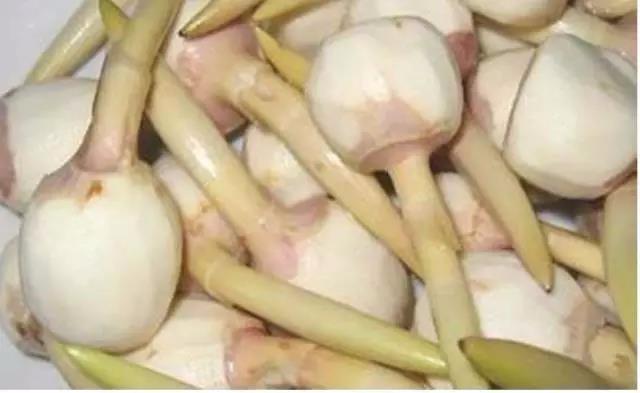
It has the effect of invigorating blood. In "Suixiju Yinshi Pu" it is clearly pointed out: arrowhead specifically breaks blood, frees strangury, slippery miscarriage, and opens the orifices. Eating too much stirs the blood, and pregnant women should especially avoid it. And "Rihua Zi (Weibo) Bencao" also warns that pregnant women must not eat it, especially in early pregnancy and for those with a history of habitual miscarriage, it should be avoided even more. Because arrowhead has the properties of invigorating and breaking blood, slippery miscarriage and opening the orifices, all of which are unfavorable to pregnancy.
6. Amaranth
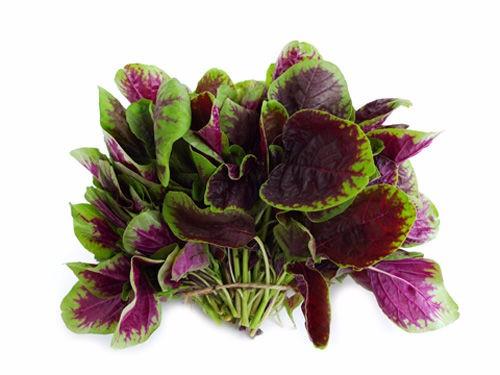
Pregnant women can eat it before labor, because amaranth is slippery and laxative in nature and has the effect of opening the orifices and slippery miscarriage. In "Bencao Gangmu" there is the saying that amaranth causes slippery miscarriage. And "Yinshi Xuzhi" also records: amaranth, if eaten by a pregnant woman, causes slippery miscarriage; if eaten at the month of labor, it makes delivery easy. Therefore it can be seen that it is most suitable for pregnant women to eat it when they are at full term and about to give birth. But at the same time, it is pointed out that amaranth has a slippery and laxative nature, so pregnant women in early pregnancy should avoid eating it. Especially those who have a tendency to miscarriage or a history of habitual miscarriage should avoid eating it even more.