How can we wash pesticides off vegetables? Take a look!
In daily life, washing and cooking vegetables is something we do every day, but do you know how to handle vegetables in the best way? How should vegetables be washed? How should leafy green vegetables be stored? What should be kept in mind when storing cooked dishes? Let's take a look below.
Do not soak vegetables when washing them
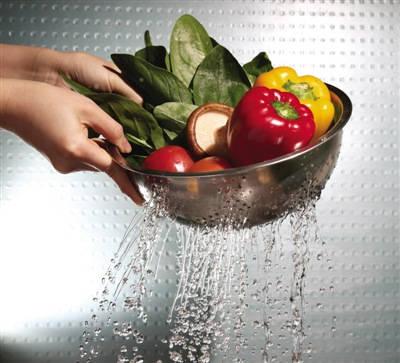
Some people are in the habit of soaking vegetables when washing them, thinking this is the way to wash pesticides off cleanly, but this is not the case. If the vegetables are not washed clean before soaking and pesticide residue remains, they will get dirtier the longer they soak. If the soaking time exceeds 30 minutes, it will also cause a loss of vitamins. After buying vegetables, leave them at room temperature for half a day to let the pesticides evaporate, then rinse them several times with clean water.
Leafy greens keep better refrigerated
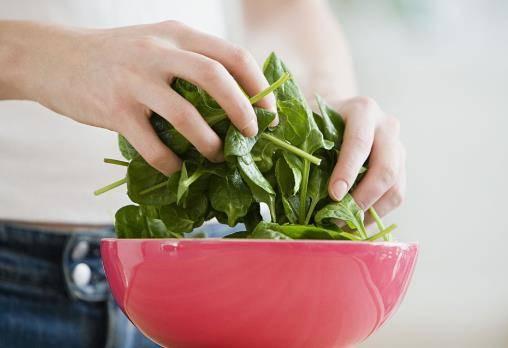
Vegetables contain a low level of nitrites. When stored at room temperature for 1 to 3 days, their nitrite content reaches a peak; under refrigeration, it reaches a peak at about 3 to 5 days. Leafy green vegetables such as spinach and baby bok choy produce particularly large amounts of nitrites, so refrigerating them works better. Root and stem vegetables such as cucumber, pumpkin, onion, white radish and carrot do not need to go in the refrigerator; the enzymes they contain will slowly break down residual pesticides.
Add minced garlic to cold dressed dishes
The organic sulfides in garlic juice, and the vitamin C and other reducing substances in lemon juice, can block the synthesis of nitrites into nitrosamines, which are carcinogens. When making cold dressed vegetables or pickled vegetables, adding scallion, ginger, garlic and chili all help lower the nitrite content.
Turn and move leftovers as little as possible before storing
Leftover dishes often have the problem of excessive nitrites. Nitrites themselves are toxic, and when they meet protein in the stomach, they produce nitrosamines, a carcinogenic substance. Many bacteria contain nitrate reductase, which can reduce nitrates into nitrites. Therefore, dishes to be stored are best portioned out immediately after cooking, then put in the refrigerator after they cool. Leftovers taken out of the refrigerator must be reheated at high heat before eating, so the bacteria can be thoroughly killed.