Which vegetables that we eat every day can cause cancer?
The ancients said that illness enters through the mouth, and most people pay close attention to whether the food they put in their mouths is healthy.
Loving vegetables is indeed a good thing, but sometimes it can turn into a bad thing.
This is especially true of vegetables, yet people often overlook certain carcinogens right around them.
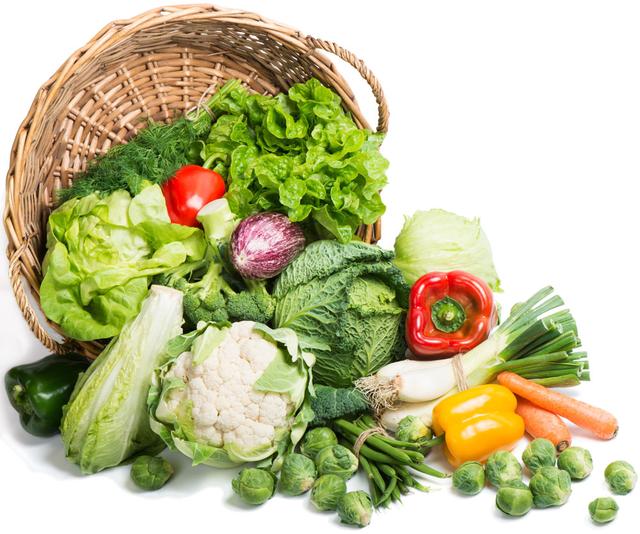
In common knowledge, everyone believes that eating more organic vegetables is a very healthy way of life.
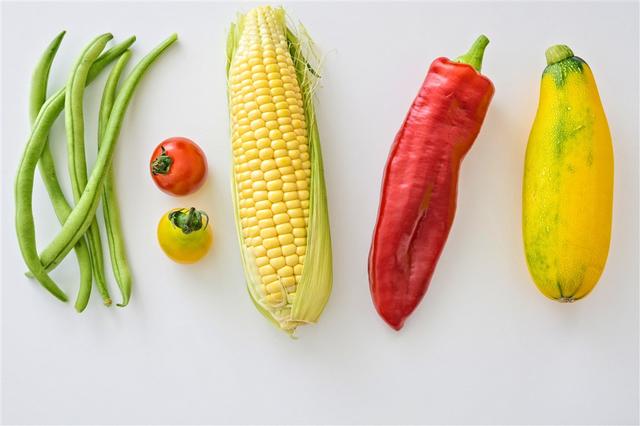
However, among the many vegetables, there are a few exceptions. They are not only common home-cooked dishes in everyone's eyes.
They are also loved by the vast majority of people. Yet they contain the most deadly carcinogens!!
1. Bracken fern
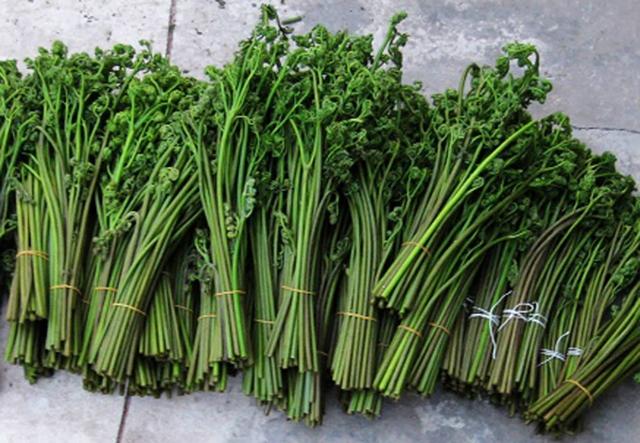
Whether in experimental animals or livestock, eating ferns may cause poisoning, including liver damage and cancer, and in the 1980s this carcinogen, ptaquiloside, was extracted from bracken fern. Through testing, the ptaquiloside content in bracken fern was measured from high to low as root, stem, and leaf, with the content in the leaves being 15 times that in the roots.
These carcinogens are present in very high levels in the roots and stems of bracken fern, and somewhat less in the leaves. Among them, the content of eupaciflorin exceeded the safety limit by 38 times, and the content of shikimic acid exceeded the limit by 23 times.
Animal feeding experiments on bracken fern carcinogenicity conducted in the laboratory show that bracken fern can induce stomach cancer, intestinal cancer, breast cancer, bladder cancer, leukemia, and so on in large rats. The researchers
also showed through carcinogenicity tests on cooked and processed bracken fern that even bracken fern that has undergone heat processing can still induce the onset of cancer.
On the official website of the International Agency for Research on Cancer, ptaquiloside is classified as a Group 2 strong carcinogen.
2. Baby cabbage
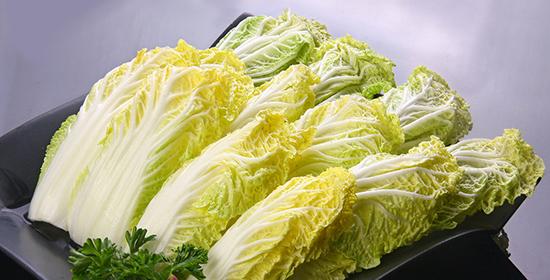
Baby cabbage, a veteran dish, can be considered to truly deserve its reputation, but the harm of this old friend is not small. Whether eating hot pot, barbecue, or stir-fry, you can see baby cabbage.
Baby cabbage tastes sweet and refreshing, is slightly more expensive than ordinary cabbage, and its nutritional value is about the same as Chinese cabbage. It is rich in vitamins and selenium, has a relatively high chlorophyll content, and has abundant nutritional value.
On China's priority control list of toxic chemicals, formaldehyde ranks second, and it has been identified by the WHO as a carcinogenic and teratogenic substance. If it is used on vegetables, the consequences of long-term consumption can be imagined.
But there is one kind of baby cabbage that you must never buy. Recently it was reported that, in order to preserve baby cabbage for a long time, some small vendors dipped it in formaldehyde as a preservative before selling it.
3. Zucchini
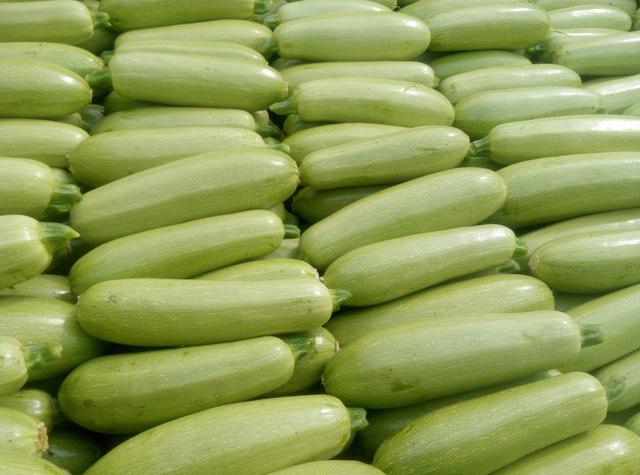
Zucchini contains nitrosamines; moldy and high-salt foods all contain carcinogenic substances. In some areas, drinking water and food contain high levels of nitrosamines, and the incidence of esophageal cancer is also high. When cooking vegetables, it is best to braise, steam, boil, or stir-fry them, and do not grill them directly over charcoal fire.
After being heated at high temperature, it releases a large amount of acrylamide, second only to French fries and potato chips.
Acrylamide is a strong genotoxic carcinogen. After entering the human body in large amounts, it will cause severe damage to genetic material and gene mutations, and even cause cancer, but it is difficult to determine at what concentration acrylamide will cause cancer.
Vegetables and vegetable products are the main source of dietary acrylamide intake for the human body, and 50% of it comes from stir-fried dishes. The longer the stir-frying time and the higher the temperature, the more acrylamide the vegetables release. Among them, the acrylamide content in stir-fried zucchini can be called the highest among vegetables.
。