6 vegetables that make blood sugar spike as soon as diabetics eat them
Nutritionists always stress that people with diabetes should eat plenty of vegetables, at least 1 jin (500 g) a day, to better control their blood sugar. But the following 6 vegetables should be eaten with caution by people with diabetes!
1. Taro
The main component of taro is starch, and its sugar content is relatively high. After cooking, its GI value becomes even higher, and eating it can easily cause blood sugar to rise.
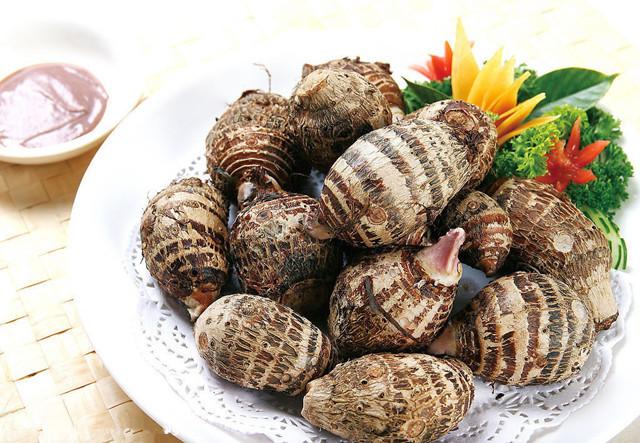
If blood sugar is well controlled, you can still eat some taro, but you should reduce the corresponding amount of staple food. According to the calorie exchange rule, eating 100 g of taro means reducing staple food by 25 g, to keep blood sugar stable.
2. Potato
In fact, potatoes are treated as a staple food in many Southern European countries. Data shows that every 100 g of potato contains 17.2 g of carbohydrates, a carbohydrate content comparable to that of white rice.
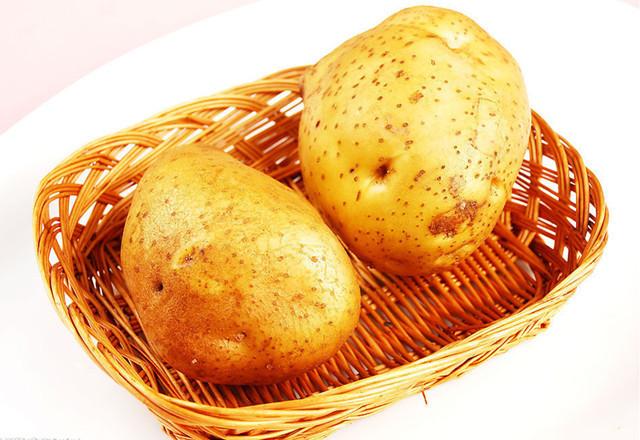
So people with diabetes need to pay special attention: when eating potatoes, reduce the intake of rice and other staple foods, cutting staple food by 40 g for every 100 g of potato. In addition, potatoes are best not fried; boiled or steamed potatoes are more suitable.
3. Chinese yam
Like taro and potato, Chinese yam actually belongs to the tuber family and has a very high starch content. Every 100 g of Chinese yam contains 1.5 g of protein, 14.4 g of carbohydrates, and various trace elements.
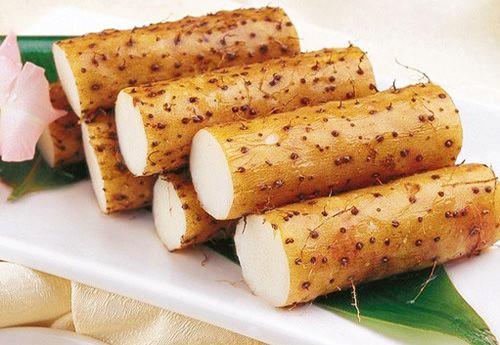
Chinese yam has high nutritional and medicinal value, but people with diabetes are not advised to eat large amounts of it. When eating Chinese yam, you should follow the food exchange portion and subtract the corresponding amount of staple food.
4. Lotus root
Lotus root is a vegetable used both as food and medicine, and there are two kinds: seven-hole lotus root and nine-hole lotus root. Seven-hole lotus root has a brownish-yellow skin and a short, thick shape; it has a higher starch content and less water, and is starchy rather than crisp, making it suitable for soups and stews. Nine-hole lotus root has smooth skin and a slender shape, with high water content and crisp, juicy flesh, making it suitable for cold dishes or quick stir-fries.
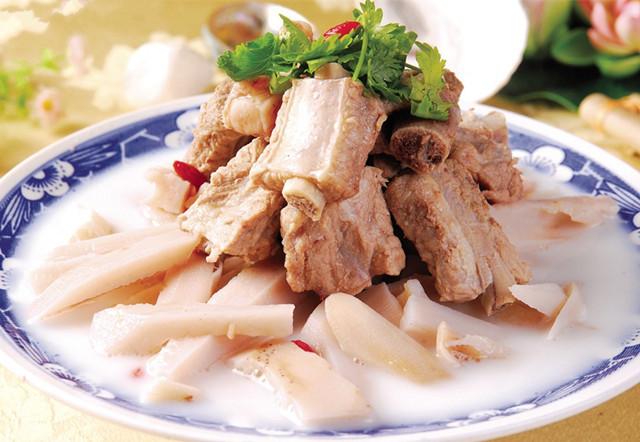
Seven-hole lotus root is often used to make lotus root stewed with pork ribs, steaming hot and very popular. However, this aquatic vegetable also belongs to the root and stem category and contains relatively high starch, so people with diabetes should not eat too much of it!
5. Peas
Although peas are listed under vegetables in food composition tables, their energy should not be underestimated. Every 100 g of peas (with pods) contains 105 kcal of energy, 7.4 g of protein, 0.3 g of fat, and 21.2 g of carbohydrates. In other words, 20% of a pea is carbohydrates!
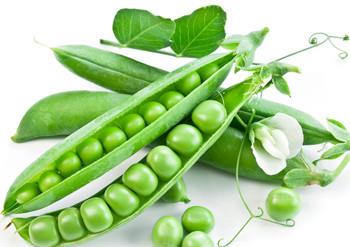
Therefore, people with diabetes should use little or no peas when planning meals, and instead use other green vegetables with lower energy to garnish dishes, such as snow peas. Although both have "pea" in the name, the latter has very low energy, only 27 kcal per 100 g.
In addition, there are many folk snacks made from peas, among which pea cake and pea flour cake are quite famous, but they have rice flour and white sugar added, greatly increasing the glycemic index, so they are also not suitable for people with diabetes!
6. Beetroot
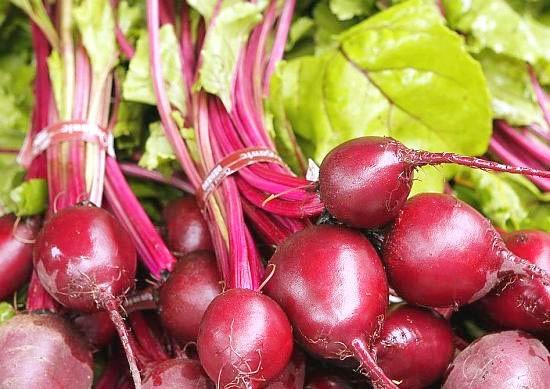
Beetroot has a relatively high sugar content, and compared with similar root vegetables such as white radish and carrot, its calories are also relatively high. If eaten in large amounts, blood sugar will rise noticeably, so people with diabetes are advised to eat less beetroot.
After reading this, these types of high-calorie, high-sugar vegetables are best quietly blacklisted by us people with diabetes. Truly, one handful of sorrow and one handful of tears!
Editor: Xiaomai