Bletilla striata intercropping methods: Polygonatum, turmeric, Pinellia, and corn vegetables can all be paired
Bletilla striata cultivation is a key research project of our institute. In order to make the land used for Bletilla striata cultivation produce greater value, we have also done some exploration of intercropping with Chinese medicinal herbs, and now we are sharing several Bletilla striata intercropping plans with everyone.
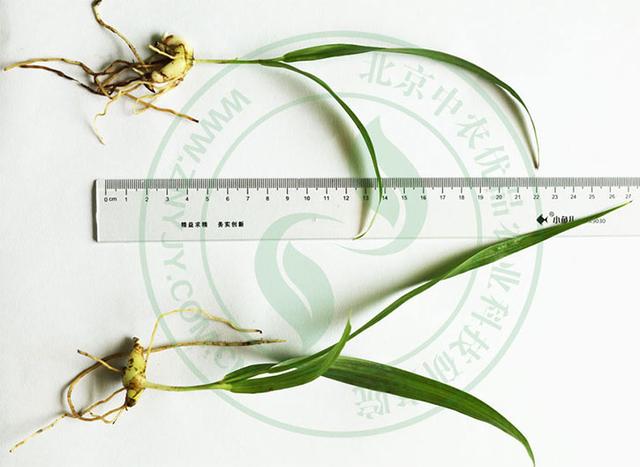
Choose medicinal herbs with basically similar likes and dislikes to Bletilla striata, for example:Polygonatum, turmeric, Pinelliaand so on. The key point in selection is having similar requirements for the growing environment:
One, they like a warm climate and dislike direct sunlight
Two, they like shady plots and dislike cold winter frost
Three, they like moist, fertile soil and dislike waterlogged, flooded land
Medicinal herb-medicinal herb intercropping
Polygonatum
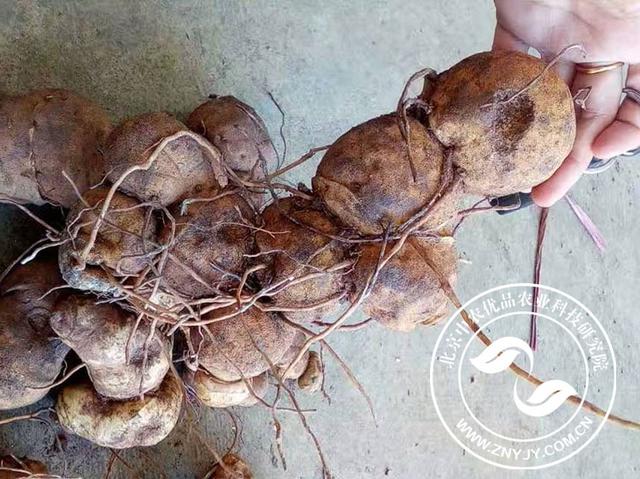
Rhizome propagation
In late autumn or early spring around the latter part of March, select 1-2 year old healthy rhizomes from plants free of pests and diseases, choose the young tender part at the tip, cut into several sections, with each section having 3-4 nodes. Let the wounds dry slightly, then plant at a row spacing of 22-24 cm, plant spacing of 10-16 cm, and depth of 5 cm. After covering with soil, press down lightly and water. After that, water once every 3-5 days to keep the soil moist. When planting in late autumn, some farmyard manure and grass should be spread over the soil surface to keep it warm.
Seed propagation
After the seeds mature in August, select mature, plump seeds and immediately carry out sand storage treatment: mix 1 part seeds with 3 parts sandy soil evenly. Store in a 30 cm deep pit in a shaded place and keep moist. Wait until late March of the following year, sift out the seeds, evenly broadcast them into shallow furrows on the seedbed surface at a row spacing of 12-15 cm, cover with about 1.5 cm of soil, press lightly, water, and cover with a layer of grass to retain moisture. Remove the covering grass before emergence. When seedlings are 6-9 cm tall, thin them appropriately where too dense, and transplant after 1 year. To meet the shade conditions required for Polygonatum growth, corn can be planted on the seedbed ridges.
Land selection and land preparation
Choose moist plots with sufficient shade. Soil should preferably be loam or sandy loam with loose texture and good water retention. Before sowing, deep plow once, and together with land preparation apply 2000 kg of farmyard manure per mu, plow it into the soil as base fertilizer, then rake finely and level, and make beds 1.2 m wide.
Turmeric
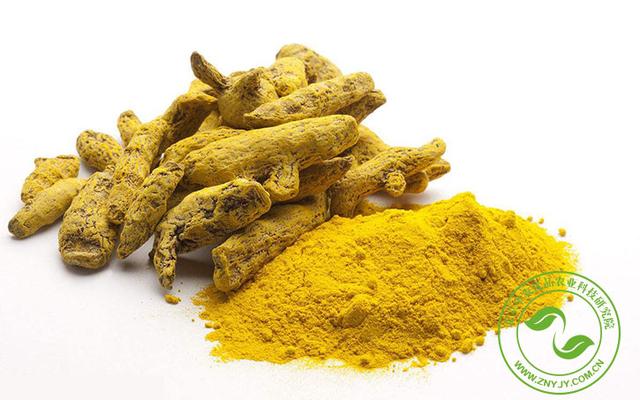
Propagate with rhizomes. The planting period in Sichuan, Shaanxi and other places is mostly around the summer solstice, while in Zhejiang it is around Qingming. Open holes at a row spacing of 33-40 cm and plant spacing of 25-33 cm, place 3-5 ginger seeds in each hole, and cover with 2-3 cm of fine soil. Spray the soil surface with a 600-800 times dilution of Xin Gao Zhi Mo, which can preserve soil moisture, prevent water evaporation, protect against sun and drought, keep warm and prevent freezing, prevent soil compaction, suffocate and isolate sources of pests and diseases, and increase the emergence rate. Seedlings emerge about 20 days after planting.
Pinellia
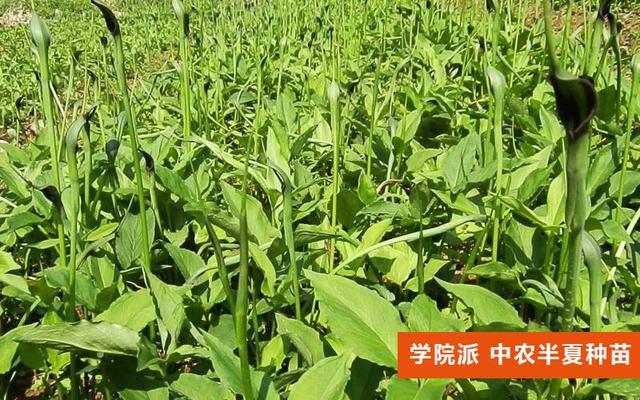
It is suitable to plant in moist, fertile sandy loam or loamy land with relatively strong water and fertilizer retention, loose texture, good drainage and irrigation, and a neutral reaction. Semi-shady, semi-sunny gentle slope mountain land can also be chosen. When planting Pinellia in plain areas, choose plots that can be irrigated and drained and are relatively high in terrain. Before planting, drainage ditches must be dug well. After selecting the land, in October-November, deep plow the soil about 20 cm, remove gravel and weeds, and let it weather and mature.
Bletilla striata-corn (summer) vegetables (winter)
Planting tall-stalk crops such as corn or sorghum between the beds where Bletilla striata is grown has the advantage of providing natural shade for Bletilla striata through the summer, and can also increase the output value per mu.
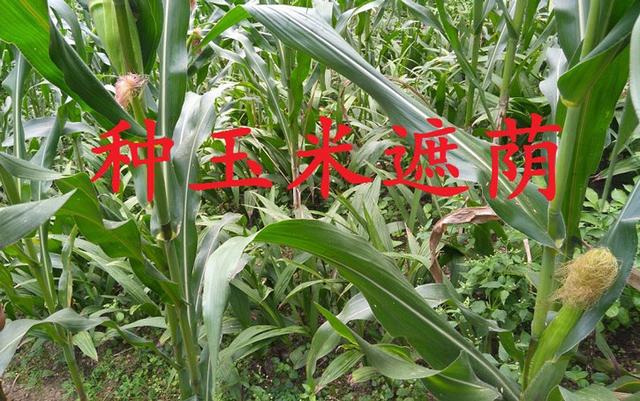
Corn matures earlier than the medicinal herbs, generally maturing and being harvested in mid-September. After harvest, promptly clean up the plants to increase ventilation and light for the medicinal herbs. This will not affect the October harvest time of Bletilla striata, and it can be harvested in the same year.
Sow in early March. Sow 3-4 plump corn seeds per hill, with a sowing depth of 3-5 cm. Planting between beds ensures good land drainage. Pay attention to cultivation, weeding, and pest and disease control.
Increased income from intercropping
Polygonatum increases income by 10,000-20,000 yuan/mu
Turmeric increases income by 10,000-20,000 yuan/mu
Pinellia increases income by 15,000-30,000 yuan/mu
Planting crops such as grain and vegetables basically cannot be measured by economic value. It depends on each person's needs. Isn't growing seasonal grains and vegetables in the fields to feed the whole family another kind of pleasure?
The planting of all intercrops is carried out on the premise of being associated under similar conditions, not affecting growth, and being beneficial to production. If you have ideas and want to use the intercropping method for cultivation, please follow our official account and leave a message for consultation. We will contact the technical guidance teachers of the China Agricultural Research Institute as quickly as possible to get in touch with you and offer you advice.