The king of vegetables for beauty, skincare and anti-aging, and the "plant Viagra" - what vegetable is it exactly?
These past few days, a certain vegetable has been recommended by many people in the editor's social circle, and judging by how much they love it, their enthusiasm has truly reached a fever pitch. It is said to have the effects of beautifying the skin, nourishing the face, aiding weight loss and tonifying the kidneys, and is called the king of vegetables while also enjoying the reputation of "plant Viagra". This vegetable is okra.
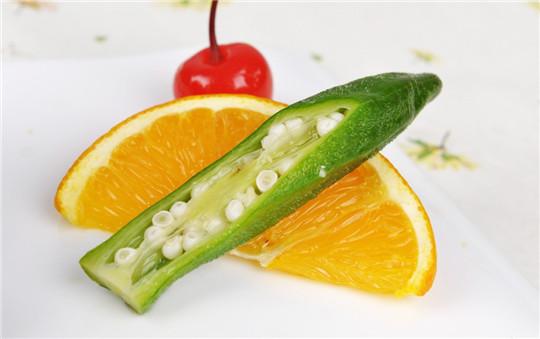
Nutritional value
Okra is rich in nutrients. Its pods contain a large amount of slimy juice, in which pectin, galactan and araban are mixed. Pectin is a soluble fiber and has the effect of strengthening the stomach and intestines and nourishing yin and yang. Okra contains protein, fat, carbohydrates and rich vitamin A and B vitamins, calcium, phosphorus, iron, etc., as well as trace elements such as zinc and selenium. According to research, every 100 grams contains 2.5 grams of protein, 0.1 grams of fat, 2.7 grams of carbohydrates, 44 milligrams of vitamin (vitamin B1 0.2 milligrams, vitamin B2 0.06 milligrams), 81 milligrams of calcium, 63 milligrams of phosphorus, 0.8 milligrams of iron, and 660 international units of carotene A.
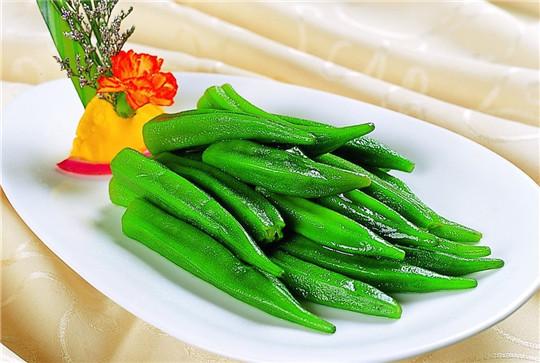
The benefits of okra
1. Beauty and skincare
The vitamin C and soluble fiber in okra have a protective effect on the skin, can make the skin fairer and more delicate. At the same time, it is rich in carotenoids and beta-carotene, which can protect the skin and reduce free radical damage.
2. Anti-aging
The flavonoids in yellow okra are about 300 times those contained in soybean cotyledons, and have effects such as regulating the endocrine system and anti-aging.
3. Weight loss
Yellow okra is a low-energy food, and when paired reasonably it can be used as a weight-loss food (such as roasted dried okra).
4. Protecting the stomach and intestines
The viscous substances in yellow okra can promote gastrointestinal peristalsis, help digestion and benefit the stomach and intestines. Mucin protects the stomach wall, and can also promote gastric juice secretion, improve appetite, and improve symptoms such as indigestion. Pectin, galactan and the like can aid digestion, treat gastritis and gastric ulcers, and protect the stomach and intestines.

5. Calcium supplementation
The calcium content of yellow okra is comparable to that of fresh milk, and it exists in the form of organic matter, with a higher absorption rate than milk, making it an ideal source of calcium.
6. Tonifying the kidneys
The mucus of yellow okra contains a small amount of natural hormone-like substances, which can strengthen the kidneys and tonify deficiency, and have an auxiliary therapeutic effect on male organic diseases. The effect is mild and lasting, and it can strengthen the kidneys and tonify deficiency. It is a suitable health vegetable for tonifying the kidneys. However, at the same time, due to its cooling nature, some people should not eat it for a long time.
7. Lowering blood sugar
The mucus of okra contains water-soluble pectin and mucin, which can slow down sugar absorption, reduce the body's demand for insulin, inhibit cholesterol absorption, improve blood lipids and remove toxins. The abundant carotenoids in okra can maintain the normal secretion and action of insulin and balance blood sugar levels.

Precautions for eating okra
1. Okra is cool and cold in nature and flavor, so people with weak and cold stomach and intestines, poor function, or frequent diarrhea should not eat much of it.
2. Okra contains a relatively large amount of potassium, so people with kidney disease should use less of it and must not eat it in excess, and it is best to blanch it in hot water before eating.
3. At room temperature, okra easily turns black and dry, so it needs to be wrapped in newspaper and refrigerated.
4. Do not cook or hold okra in copper or iron utensils, otherwise the okra will quickly change color. Although it is harmless to the human body, the taste will be compromised and it will not look good either.

5. It is recommended to cook okra whole. If you think it is too large, you can cut it open from the middle. Cutting it too small will cause the mucus to be lost and the nutrients to be lost.
6. When okra is cut into sections and stir-fried, it will produce mucus. Do not wash the mucus away, and do not be afraid of the stickiness; the sticky part is the nutritious part.
7. When stir-frying okra, be sure not to add water. Stir-fry over high heat until it changes color. It is better slightly undercooked than cooked soft. It can even be eaten raw, so there is no need to worry. If stir-fried for too long, the nutrients will be lost.