Five vegetables you must eat during postpartum confinement, with obvious benefits
Postpartum nutritional supplementation is very important. Only with sufficient nutrition can the mother's health be ensured, and the newborn's nutrient intake also be guaranteed. During the postpartum confinement period, the mother should start paying attention to nutritional supplementation. Eating more vegetables and fruits can ensure sufficient nutritional supplementation, so what vegetables can be eaten during postpartum confinement?
1. Lotus root
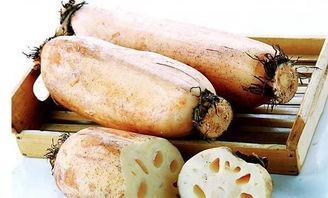
Lotus root contains a large amount of starch, vitamins and minerals. It is rich in nutrients, light and refreshing, and can strengthen the spleen and benefit the stomach, moisten dryness and nourish yin, promote blood circulation and remove blood stasis, clear heat and promote lactation. Eating more lotus root during postpartum confinement can eliminate the accumulated blood stasis in the abdomen as early as possible, increase appetite, help digestion, promote milk secretion, and help feed the newborn.
2. Soybean sprouts
Soybean sprouts contain a large amount of protein, vitamin C and cellulose, etc. Protein is the main raw material for growing tissue cells and can repair tissues damaged during childbirth. Vitamin C can increase the elasticity and toughness of blood vessel walls and prevent postpartum hemorrhage. Cellulose can moisten the intestines and relieve constipation, preventing the mother from developing constipation.
3. Kelp
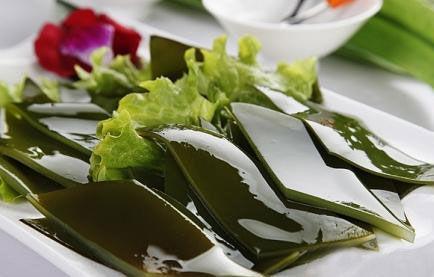
Kelp contains relatively large amounts of iodine and iron. Iodine is the main raw material for producing thyroxine, and iron is the main raw material for producing blood cells. Eating more of this vegetable during postpartum confinement can increase the content of iodine and iron in breast milk. After being absorbed by the newborn, it is beneficial to the body's growth and development, prevents cretinism caused by this, and also has the effect of preventing anemia.
4. Daylily
Daylily is especially suitable for making soup for expectant mothers to eat during postpartum confinement. Traditional Chinese medicine believes that it has the effects of promoting diuresis and reducing swelling, relieving fever and pain, and nourishing blood. During the puerperium, problems such as abdominal pain, difficult urination, pale complexion, and restless sleep are likely to occur. Eating more daylily can eliminate these symptoms.
5. Celtuce
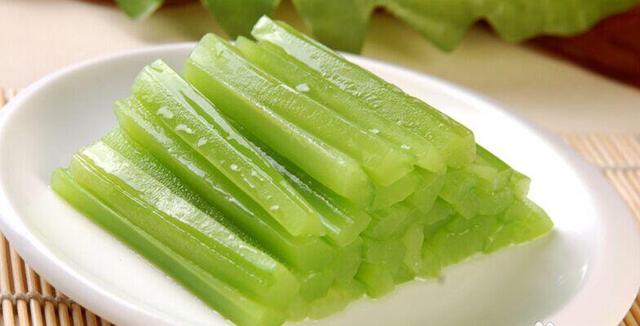
Celtuce is one of the main vegetables in spring. It is rich in minerals such as calcium, iron, and phosphorus, and can grow bones and strengthen teeth. Traditional Chinese medicine believes that celtuce has the effects of clearing heat, promoting diuresis, activating blood circulation, and promoting lactation. It is suitable for expectant mothers who have little urine, little milk, or no milk after childbirth.