What vegetables are best for diabetes? Experts explain in detail in 2017
When you have diabetes, the biggest headache is what to eat so that blood sugar does not rise and the diabetes does not worsen. Fruits high in sugar certainly cannot be eaten in large amounts. Vegetables, on the other hand, seem not to contain much sugar, so can you eat them without any concerns? Of course the answer is no! So what vegetables should people with diabetes eat?Sugar Angel APP expertsHere we tell you about 15 vegetables that help people with diabetes lower blood sugar.
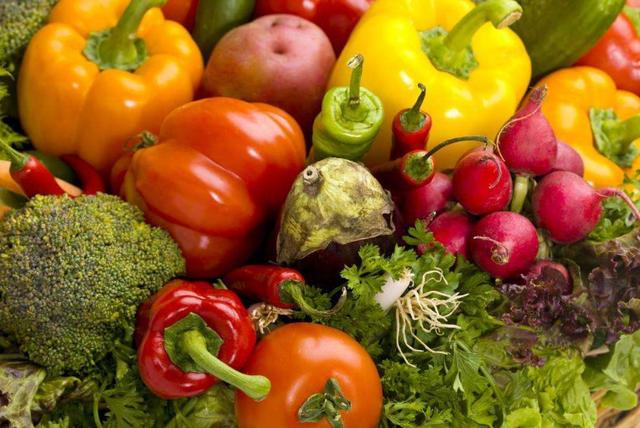
What vegetables are good to eat for diabetes?
People with diabetes choosing vegetables in their diet:Rapeseed (bok choy), Chinese cabbage, spinach, celtuce, celery, hotbed chives, garlic sprouts, summer squash, winter melon, cucumber and others contain less sugar and can be eaten in place of staple foods.
Vegetables are an indispensable food for people every day. They are characterized by being rich in vitamins, minerals and dietary fiber. These nutrients are very important for people with diabetes, and some even have a good therapeutic effect on diabetes, such as vitamin C, B vitamins, calcium, phosphorus, iron and magnesium. The dietary fiber in vegetables can increase satiety, keep bowel movements regular, and help lower blood sugar.
So, are all vegetables good for people with diabetes? No. Vegetables are divided into leafy vegetables, root and stem vegetables, melon and fruit vegetables, pod and bean vegetables, flower vegetables, and fungi and algae, etc. Their carbohydrate content varies. Among them, leafy and melon types have lower content, such as Chinese cabbage, baby bok choy, rapeseed (bok choy), spinach, as well as winter melon, eggplant, bitter melon, cucumber, tomato and so on. Apart from eating an appropriate amount of staple food, animal-based foods and oils, people with diabetes generally do not need to strictly limit their daily intake of these vegetables, which is usually around 500-600 grams. After reading this, do you understand what vegetables are good to eat for diabetes?
However, vegetables high in carbohydrates such as potatoes and pod and bean vegetables should not be eaten in large amounts, and the amount of staple food must be reduced accordingly. In addition, onion and garlic sprouts contain about 10% sugar, and eating too much is not good for blood sugar control. Fungi and algae vegetables such as shiitake mushrooms, wood ear mushrooms, button mushrooms and kelp are rich in trace elements. Often adding them to vegetables can both vary the menu and have the effects of preventing disease and fighting cancer and strengthening the body's immunity.
15 vegetables suitable for people with diabetes:
1. Pumpkin:
In recent years, studies at home and abroad have all shown that pumpkin is an ideal food for treating diabetes. Pumpkin contains a large amount of pectin. When pumpkin is eaten together with starchy foods, it increases the viscosity of the stomach contents and delays gastric emptying. After fully absorbing water in the intestines, pectin forms a gel-like substance that can delay the intestinal absorption of sugar and lower post-meal blood sugar. In addition, pumpkin is rich in the trace element cobalt. Cobalt is a trace element necessary for human pancreatic islet cells to synthesize insulin, and it can promote insulin secretion in the body and lower blood sugar.
Consumption notes: Do not eat too much each time, because pumpkin also contains carbohydrates, and if uncontrolled it can also cause blood sugar to rise due to total calories "exceeding the limit"; pumpkin is warm in nature, and eating too much easily causes "internal heat," so people with a yang-dominant constitution should not eat much of it; do not eat pumpkin that has been stored for too long.
2. Spinach:
Sweet and cold in nature and flavor, it quenches thirst and moistens dryness, and enters the lung and stomach meridians. It has the effects of moistening dryness and clearing heat, descending qi and regulating the middle, and regulating blood. It is suitable for diabetes of the type with chest and diaphragm tightness and abdominal stuffiness and blockage.
Spinach contains relatively much oxalic acid. When cooked together with foods rich in calcium, it easily forms calcium oxalate, which is not conducive to human absorption and also has adverse effects on the stomach and intestines, so attention should be paid during cooking. It is the best vegetable for adjunctive treatment of diabetes with thirst and frequent drinking.
3. Lentils:
They are rich in soluble fiber and have the effects of lowering sugar, lowering triglycerides and harmful cholesterol. Cooking 30-50 grams of lentils and eating them once a day has good effects for people with diabetes complicated by dyslipidemia.
4. Celery:
Cool in nature, sweet and pungent in taste, non-toxic; it enters the lung, stomach and liver meridians. It is a high-fiber food. Through digestion in the intestines, it produces a substance called lignin or intestinal lipids. This type of substance is an antioxidant. Regularly eating celery, especially celery leaves, is very beneficial for preventing high blood pressure and arteriosclerosis, and has an adjunctive therapeutic effect.
Celery is cool in nature and smooth in quality, so people with weak and cold spleen and stomach, or with loose and unstable intestines, should eat it with caution.
5. Onion:
The S-methylcysteine sulfoxide contained in onion has the effects of lowering blood sugar and blood lipids. Onion also contains sulfonylurea butyric acid, which can play a role in lowering sugar by promoting the use of sugar by cells. Onion also has the effects of lowering blood lipids, reducing blood viscosity, and improving atherosclerosis. Regular consumption can prevent the occurrence of cardiovascular and cerebrovascular complications of diabetes. American scientists also found that onion contains prostaglandin A. Prostaglandin A can reduce peripheral vascular resistance in the human body, lower blood pressure, and increase renal blood flow and urine output and promote sodium and potassium excretion, which is of great help in preventing kidney complications of diabetes.
Consumption tips: People with acute infectious diseases should not eat it; people with glaucoma and cataracts should not eat much of it; to avoid the destruction of nutrients, it should not be heated for too long when stir-frying.
6. Bitter melon:
It is called "plant insulin." Pharmacological tests have found that the bitter melon saponins contained in bitter melon not only have an insulin-like effect, but can also stimulate insulin release, with a very obvious blood sugar-lowering effect. Some people have used oral bitter melon saponin preparations to treat type II diabetes. Therefore, appropriate intake of bitter melon by people with diabetes is beneficial for controlling blood sugar.
Consumption tips: People with chronic enteritis should not eat much of it; when eating, it is best to stir-fry quickly over high heat, and it should not be stewed for a long time.
7. Cucumber:
Sweet and cool in nature and flavor, sweet, crisp and refreshing, it has the effect of removing heat and quenching thirst. Modern pharmacological research shows that cucumber contains only 1.6% sugar, is a commonly used substitute food for people with diabetes, and can provide vitamin C, carotene, fiber and minerals, etc. The tartronic acid contained in cucumber can inhibit the conversion of sugars in the human body into fat. For obese people with diabetes complicated by high blood pressure, eating 100 grams of cucumber per day is of great benefit. Diabetes diet.
8. Lotus root:
Sweet in taste, cold in nature. It enters the heart, spleen and stomach meridians. Used raw, it has the effects of clearing heat and quenching thirst, cooling blood and stopping bleeding, dissipating blood stasis and sobering up from alcohol; used cooked, it has the effects of strengthening the spleen and nourishing the stomach, nourishing yin and tonifying blood, promoting tissue regeneration and stopping diarrhea. It is suitable for diabetes of the type with excessive drinking yet unrelenting thirst, hunger and emaciation, and is especially suitable for those who also have vomiting blood, nosebleeds and heat strangury.
9. Radish (daikon):
Pungent and sweet in taste, warm in nature. It enters the lung and stomach meridians. It has the effects of resolving food stagnation, transforming phlegm-heat, descending qi, relieving abdominal distension and detoxifying, and is suitable for diabetes of the type with food accumulation and abdominal fullness.
10. Chinese chives:
Pungent in taste, warm in nature. It enters the liver, stomach and kidney meridians. It has the effects of regulating the middle and promoting qi movement, dissipating blood and detoxifying, and is suitable for people with high blood lipids, coronary heart disease and diabetes.
11. Chinese yam:
It can effectively improve high blood sugar. The slippery, sticky component in Chinese yam is also formed by mucin. Mucin can wrap around other foods in the intestines, causing sugar to be absorbed slowly. This effect can suppress the sharp rise in blood sugar after meals, and can also avoid excessive insulin secretion, allowing blood sugar to be better regulated.
Chinese yam also contains effective components such as magnesium and zinc that are essential for insulin secretion, as well as vitamin B1 and vitamin B2. These components promote the metabolism of glucose in the blood. In addition, Chinese yam also contains amylase, which is an enzyme that digests carbohydrates and can prevent sugar from accumulating in the blood.
12. Silver ear fungus (white wood ear):
Sweet and neutral in nature and flavor, it has the effects of nourishing yin and regulating dryness, promoting body fluid and nourishing the stomach. It is not only rich in nutrients but also has relatively high medicinal value, and is praised by people as the "pearl among fungi." Silver ear fungus is low in calories and also rich in dietary fiber. Eating it is helpful for people with diabetes in delaying the rise in blood sugar.
In recent years, research reports have shown that silver ear fungus contains relatively much silver ear polysaccharide, which affects the blood sugar-lowering activity of insulin. In animal experiments, it was found that silver ear polysaccharide can extend the action time of insulin in animals from 3-4 hours to 8-12 hours. Therefore, people with diabetes should often eat silver ear fungus. Usage: 15-20 grams of silver ear fungus, stew until soft, then eat, once a day.
13. Tomato:
Sweet and sour in taste, cool in nature, slightly cold. It can clear heat and quench thirst, nourish yin, and cool blood, and enters the liver, stomach and lung meridians. It has the effects of promoting body fluid and quenching thirst, strengthening the stomach and promoting digestion, clearing heat and detoxifying, cooling blood and calming the liver, nourishing blood and enriching the blood, and increasing appetite; it lowers lipids and blood pressure, promotes urination and sodium excretion. The vitamin C, rutin, lycopene and fruit acids it contains can lower blood cholesterol and prevent atherosclerosis and coronary heart disease. It also contains a large amount of potassium and alkaline minerals, which can promote the excretion of sodium salts in the blood, and has blood pressure-lowering, diuretic and swelling-reducing effects, with good adjunctive therapeutic effects on high blood pressure and kidney disease.
For patients who frequently experience gum bleeding or subcutaneous bleeding while lowering blood pressure, eating tomatoes helps improve symptoms. It is suitable for people with febrile diseases with fever, thirst, poor appetite, habitual gum bleeding, anemia, dizziness, palpitations, high blood pressure, acute and chronic hepatitis, acute and chronic nephritis, night blindness and nearsightedness.
Note: Patients with acute enteritis, bacillary dysentery and active-stage ulcers should not eat it.
14. Lettuce:
Consumption tips: To avoid the loss of large amounts of water-soluble vitamins, wash first and then cut; the nutritional value of lettuce leaves is higher than that of the stem, so the stem and leaves should be eaten together; to avoid destroying the ascorbic acid component contained in lettuce, copper utensils should not be used to store or cook lettuce. It contains relatively rich niacin, and niacin is an insulin activator, so regular consumption is helpful for preventing and treating diabetes. Lettuce can stimulate gastrointestinal peristalsis and has an adjunctive therapeutic effect on gastroparesis and constipation caused by diabetes. The potassium ions contained in lettuce are 27 times the sodium ions, which can promote urination and lower blood pressure.
15. Corn:
Corn can be eaten as a staple food for people with diabetes, and can also be cooked as a vegetable. Corn has the effects of harmonizing the body, stimulating appetite, promoting bowel movements and urination, lowering sugar and lowering blood lipids. For patients with chronic gastritis, urinary tract stones, diabetes, high blood lipids and other diseases, it has quite good edible value. Not only that, for patients prone to edema, eating more corn can also solve the problem of edema.
Source:WeChat public account - Sugar Angel Home.