Which vegetables are better for people with diabetes to eat?
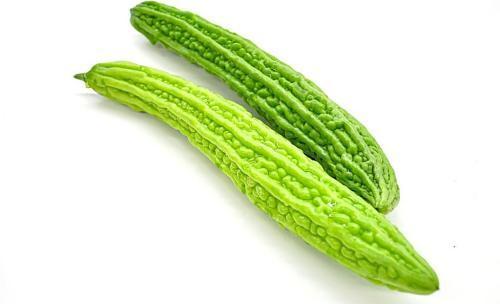
Bitter melon. Ancient literature records that bitter melon can treat "xiao ke" (wasting-thirst). Modern clinical reports say that bitter melon extract has a significant blood-sugar-lowering effect, and the effective rate of bitter melon tablets in treating diabetes reaches 79.3%. Bitter melon can be simmered in soup or served as a cold dish, and it can also be juiced or dried in the sun and brewed as tea.
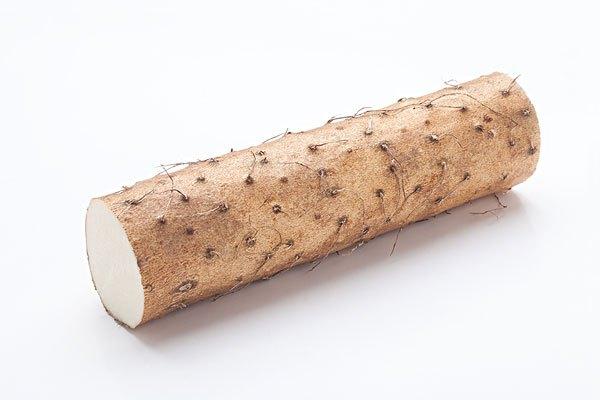
Chinese yam. Sweet in taste, neutral in nature and non-toxic, it has functions such as strengthening the spleen and replenishing qi, nourishing the lungs and stomach, and tonifying the kidneys and securing essence. It is especially suitable for eating in spring. It can prevent excess liver qi from damaging the spleen, and it can also enhance the body's resistance.
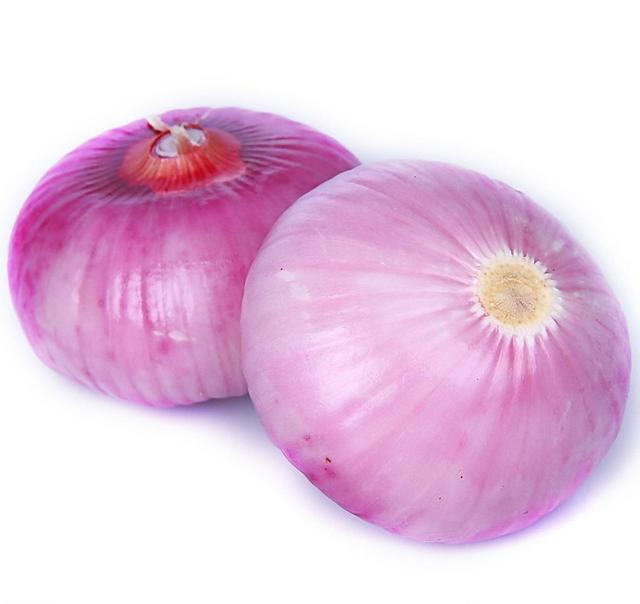
Onion. Eating more onions regularly can prevent diabetes, because onions can warm the middle and direct qi downward, and they can also resolve food stagnation, and they can also raise the level of insulin in the blood, and they can prevent blood sugar from rising. In addition, onions also contain some flavonoid substances, which can soften blood vessels, and they can also remove cholesterol, and they can reduce the occurrence of the three highs in humans.
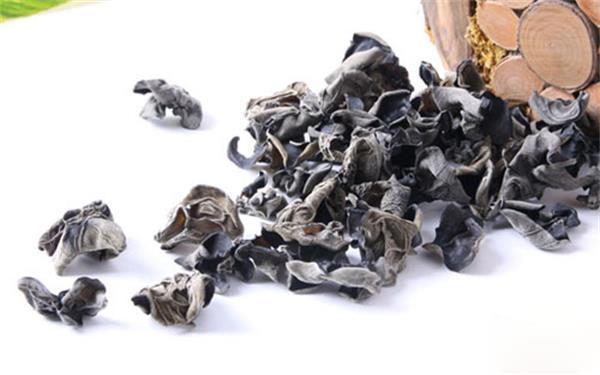
Wood ear mushroom. Wood ear mushroom contains wood ear polysaccharides, vitamins, protein, carotene and minerals such as potassium, sodium, calcium and iron, among which wood ear polysaccharides have a blood-sugar-lowering effect. Animal experiments show that wood ear polysaccharides can lower the blood sugar of diabetic mice.
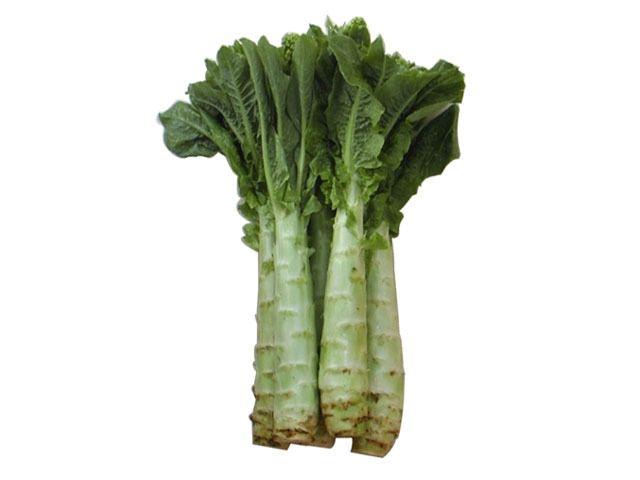
Lettuce. Lettuce contains relatively abundant niacin, and niacin is an insulin activator, so eating it often is helpful for preventing and treating diabetes. Lettuce can stimulate gastrointestinal peristalsis, and it has an auxiliary therapeutic effect on gastroparesis and constipation caused by diabetes. The potassium ions contained in lettuce are 27 times the sodium ions, which can promote urination and lower blood pressure.
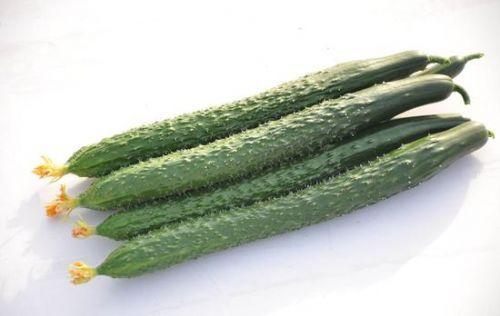
Cucumber. Crisp and sweet, with a sugar content of only 1.6%, it can provide vitamin C, carotene, cellulose and minerals for diabetic patients. The propanedioic acid in cucumber can inhibit the conversion of carbohydrates into fat, making it a therapeutic vegetable for obese diabetic patients and diabetic patients with combined hyperlipidemia.