Fruit and vegetable peels are one of the most nutrient-rich parts of the plant
No one argues that eating more fruits and vegetables can benefit your health.
But whether these fruits and vegetables are best consumed with the skin is often the focus of debate.
Due to preference, habit, or trying to reduce exposure to pesticides, peels are often discarded. However, removing the peel may result in discarding one of the most nutrient-rich parts of the plant.
This article looks at the science to determine whether it is best to remove the skins of fruits and vegetables.
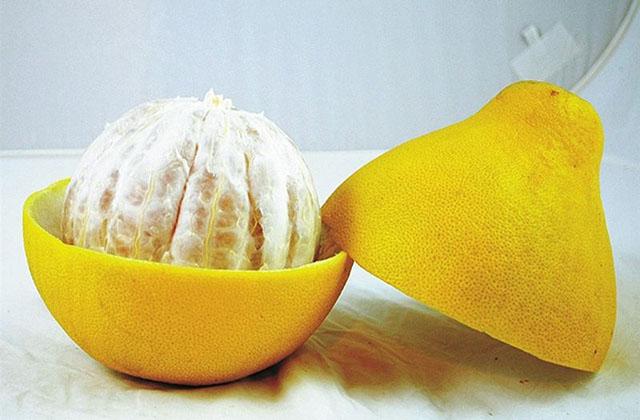
Peels are packed with beneficial nutrients
Peels are packed with nutrients
Peels are packed with beneficial nutrients.
The amount of nutrients they contain varies depending on the type of fruit or vegetable. However, in general, unpeeled produce contains higher amounts of vitamins, minerals, and other beneficial plant compounds compared to peeled produce.
In fact, raw apples with the skin contain up to 332% more vitamin K, 142% more vitamin A, 115% more vitamin C, 20% more calcium, and up to 19% more potassium than peeled apples.
Similarly, potatoes boiled with the skin can contain up to 175% more vitamin C, 115% more potassium, 111% more folate, and 110% more magnesium and phosphorus than peeled potatoes.
Vegetable peels also contain more fiber and antioxidants. For example, 31% of the total fiber in a vegetable can be found in its skin. What's more, antioxidant levels can be up to 328 times higher in peels than in pulp.
Therefore, eating your fruits and vegetables without peeling them can truly increase your nutrient intake.
Peels can help you feel full longer
Fruit and vegetable peels can reduce hunger and help you feel full for longer.
This is mainly due to their high fiber content. Although the exact fiber content varies, fresh fruits and vegetables may contain up to one-third of their fiber in the outer layer before it is removed.
Several studies suggest that fiber can help you feel fuller for longer. Fiber can do this by physically stretching the stomach, slowing how quickly it empties, or affecting the rate at which fullness hormones are released in your body.
In fact, research suggests that a type of fiber found in fruits and vegetables, known as viscous fiber, may be particularly effective at reducing appetite.
Fiber can also serve as food for friendly bacteria in the gut. When these bacteria are fed fiber, they produce short-chain fatty acids, which appear to further enhance feelings of fullness.
One review reported that subjects in 32 out of 38 studies experienced increased fullness after increasing their fiber intake.
In addition, several studies have observed that fiber-rich meals tend to reduce hunger and, consequently, the number of calories consumed per day, potentially leading to weight loss.
Therefore, peeled fruits and vegetables may not help you reduce hunger or even lose weight as effectively.
Peels may help prevent certain diseases
Fruits and vegetables contain antioxidants, which are beneficial plant compounds that may reduce the risk of several diseases.
In short, the main function of antioxidants is to fight unstable molecules known as free radicals. When free radical levels are too high, it causes oxidative stress, which can ultimately damage cells and may increase the risk of disease.
In fact, researchers believe that antioxidants can help reduce the risk of heart disease and certain types of cancer.
Certain antioxidants found in fruits and vegetables are also thought to be associated with neurological diseases such as Alzheimer's.
Fruits and vegetables are naturally high in antioxidants, but according to research, they appear to be more concentrated in the outer layer.
In one study, removing the skin of peaches resulted in a 13-48% reduction in antioxidants.
In another study, antioxidant levels were up to 328 times higher in fruit and vegetable peels compared to their pulp.
Therefore, if you want to maximize your antioxidant intake from fruits and vegetables, you should eat them without peeling.

Peeled fruits and vegetables may not help you reduce hunger or even lose weight as effectively
Some peels are hard to clean or inedible
Certain fruit or vegetable peels may be difficult to consume or simply inedible.
For example, the peels of avocados and honeydew melons are considered inedible, whether they are cooked or eaten raw.
Other fruit and vegetable peels, such as those from pineapple, melon, banana, onion, and celery, can have a tough texture that is difficult to chew and digest. These peels are usually best removed and not eaten.
In addition, although some vegetable peels are considered edible, they should not be eaten raw. For example, winter squash and pumpkin peels are best consumed after cooking to soften the peel.
Furthermore, citrus fruits also have bitter skins that are difficult to eat raw. These are usually best consumed as zest or cooked, or simply discarded.
Some fruit and vegetable peels, although completely edible, may have a bitter taste or be coated with a layer of wax or dirt that is particularly difficult to clean.
If the idea of eating these fruit and vegetable skins makes you not want to eat them, peeling may still be your best option.
Peels may contain pesticides
Pesticides are commonly used to reduce crop damage and increase yields.
Contrary to popular belief, pesticides can be found on both organically and conventionally grown fruits and vegetables.
While some pesticides enter the flesh of fruits and vegetables, many remain on the outer skin.
Washing is a good way to get rid of pesticide residues that are loosely attached to the surface of the peel. However, peeling is the best way to remove pesticides that have penetrated into the skin of fruits and vegetables.
For example, a recent assessment reported that about 41% of pesticide residues found on fruits were removed by washing, while peeling removed twice that amount.
For many people concerned about their overall pesticide exposure, this may be reason enough to eat only the flesh of all fruits and vegetables.
Those particularly concerned about pesticide intake may want to look at the EWG's report, which ranks pesticide contamination levels in 48 popular fruits and vegetables in the United States.
Nevertheless, the risk of consuming more pesticides does not necessarily outweigh the increased nutrient content in the skin.
It is worth mentioning that the amount of pesticides contained in fresh food is strictly regulated. The permitted upper limits are very conservative, far below the lowest dose known to possibly cause harm to humans.
Washing is a good way to get rid of pesticide residues that are loosely attached to the surface of the peel
In addition, less than 4% of cases exceed the permitted upper limits for pesticide content, and even when they do, research shows that this rarely causes harm to humans.
Therefore, while removing vegetable skins may remove a little more pesticide, such a difference may be too small to worry about.
Peels are rich in fiber, vitamins, minerals, and antioxidants, making them one of the most nutrient-rich parts of the plant.
Naturally, some fruit and vegetable peels are difficult to clean, hard to digest, bitter, or inedible. These peels are best removed and not eaten.
However, most peels are edible. Therefore, whenever possible, it is best to try to eat fruits and vegetables without peeling them.
(Source: Yunuo Likang Editorial Department)