Which vegetables should children eat regularly to help them grow taller? Parents need to know
Nowadays, in order to help their children have a healthy and tall stature, parents often give them supplements containing various nutrients.
In fact, no matter how good supplements are, their nutrition is not comprehensive. Relatively speaking, getting nutrients from food is safe, effective, and affordable. The following vegetables are beneficial for children's growth and development, for parents and friends to refer to!
Eating these vegetables regularly helps children grow taller, did you know?

Cauliflower
Recommended reason:Contains vitamin K, which ordinary vegetables do not have
Nutritional composition:Cauliflower is also called cauliflower and comes in white and green varieties. The nutritional value of white cauliflower and green cauliflower is basically the same, and green cauliflower has a slightly higher carotene content than white cauliflower.
Cauliflower is rich in protein, fat, carbohydrates, dietary fiber, vitamins and minerals, and also contains abundant vitamin K, which ordinary vegetables do not have. At the same time, it is also one of the foods containing the most flavonoids, and its calcium content is comparable to that of milk.
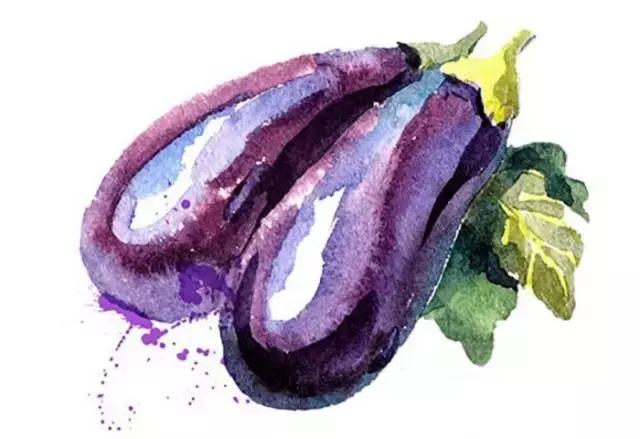
Eggplant
Recommended reason:Rich in vitamin E and vitamin P
Nutritional composition:Eggplant is one of the few purple vegetables and is also a very common home-style vegetable on the dining table. Its purple skin is rich in vitamin E and vitamin P, which other vegetables cannot compare with.
The saponin contained in eggplant fiber also has the effect of lowering cholesterol.
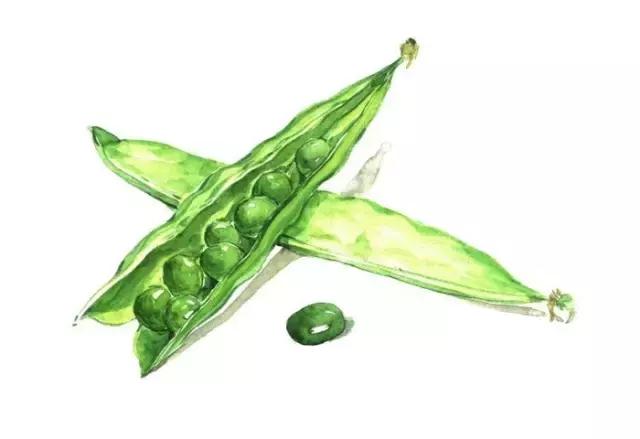
Peas
Recommended reason:Relatively high content of trace elements such as copper and chromium
Nutritional composition:Peas are a nutritious food, containing 23%-25% protein, 57%-60% carbohydrates, 45% crude fiber, and also containing a variety of minerals, vitamins and trace elements.
In particular, peas have a relatively high content of trace elements such as copper and chromium. Copper helps improve a baby's hematopoietic function and helps bone and brain development; chromium helps the metabolism of sugar and fat and can maintain the normal function of insulin.
The choline and methionine contained in peas help prevent arteriosclerosis; the vitamin C contained in fresh peas ranks first among all fresh beans.
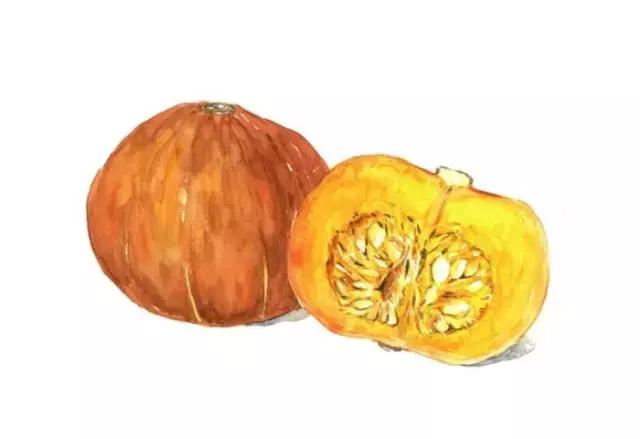
Pumpkin
Recommended reason:Also rich in carotene
Nutritional composition:Pumpkin is rich and comprehensive in nutrition. Its fruit contains carbohydrates, vitamins, protein and 17 kinds of amino acids needed by the human body. In addition, pumpkin is also relatively rich in potassium, calcium, magnesium, selenium, iron, zinc, etc.
Although the carotene contained in pumpkin is slightly inferior to that in carrots, pumpkin is still a star for carotene content. Its carotene content is 8-20 times that of watermelon and is a high-quality source of vitamin A.
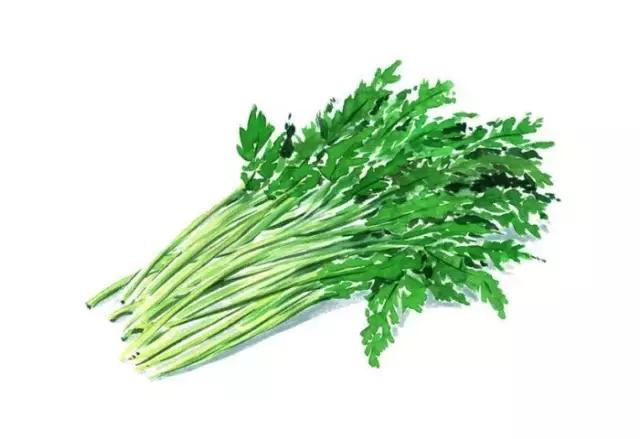
Garland chrysanthemum
Recommended reason:Rich in crude fiber
Nutritional composition:Garland chrysanthemum is a vegetable with relatively comprehensive nutritional composition. It is rich in vitamins, a variety of amino acids, fat, protein, and relatively high amounts of minerals such as sodium and potassium.
Its carotene content is also relatively high, 1.5-30 times that of vegetables such as cucumber and eggplant. Garland chrysanthemum contains volatile oil with a special aroma, which helps soothe the middle, regulate qi, promote digestion, whet the appetite and increase appetite.
Abundant crude fiber helps intestinal peristalsis and promotes defecation.
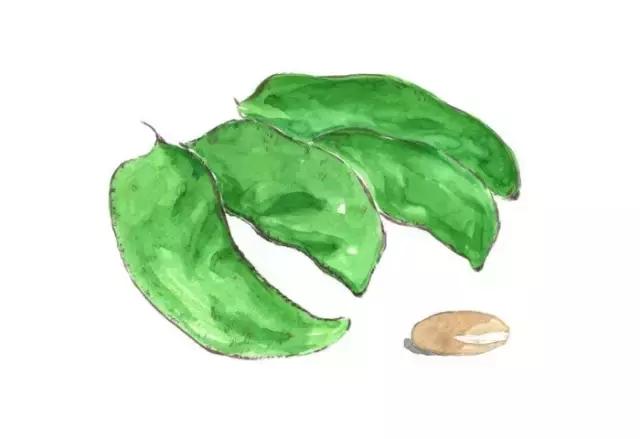
Hyacinth beans
Recommended reason:Called "the meat among vegetables"
Nutritional composition:Hyacinth beans are a vegetable abundantly produced in summer. Their nutritional composition is very good, and they are also called "the meat among vegetables." The beans contain relatively large amounts of high-quality protein, unsaturated fatty acids, and vitamin B and vitamin C.
Tomato
Recommended reason:A natural warehouse of lycopene
Nutritional composition:Tomato contains more than 20 kinds of carotenoids, such as alpha-carotene, beta-carotene, lutein and zeaxanthin, with lycopene accounting for about 80%-90%. It can be said that tomato is a natural warehouse of lycopene.
In addition, tomato is also rich in vitamin C and vitamin E, which can improve a baby's immunity.
Carrot
Recommended reason:Rich in carotene
Nutritional composition:Carrot has very high nutritional value and is rich in carotene (an average of 1.35 grams per 100 grams), ranking among the top among vegetables.
Carotene can be converted into vitamin A in the small intestinal wall and liver cells for use by the human body. Of the vitamin A that a normal person usually needs, 70% is converted from carotene.
Vitamin A plays an important role in the integrity of skin and mucous membranes, improving immune function, preventing infections of organs such as the respiratory tract and urinary tract, promoting children's growth and development, and participating in the formation of photosensitive substances in the retina.
This article comes from the Internet. If it involves infringement, please contact us to delete it.