What vegetables lower blood sugar? 6 nutritious vegetables suitable for people with diabetes
We eat different vegetables every day to supplement the vitamins, fiber and so on that our bodies need, so for people with diabetes, which vegetables are good to eat? The following 6 green vegetables help lower blood sugar.
Spinach:

Sweet and cold in nature and flavor, it quenches thirst and moistens dryness, and enters the lung and stomach meridians. It has the effects of moistening dryness and clearing heat, descending qi and harmonizing the middle, and regulating blood. It is suitable for diabetes with a feeling of fullness and tightness in the chest and diaphragm and blockage in the stomach and abdomen.
Spinach contains a relatively large amount of oxalic acid; when cooked together with foods rich in calcium, it easily forms calcium oxalate, which is not conducive to absorption by the human body and also has adverse effects on the stomach and intestines, so attention should be paid to this when cooking. It is the best vegetable for auxiliary treatment of diabetes with thirst and frequent drinking.
Celery:

Cool in nature, sweet and pungent in flavor, non-toxic; it enters the lung, stomach and liver meridians and is a high-fiber food. Through digestion in the intestines, it produces a substance called lignin or intestinal lipids. This type of substance is an antioxidant. Eating celery often, especially eating celery leaves, is very beneficial for preventing high blood pressure, arteriosclerosis and so on, and also has an auxiliary therapeutic effect.
Celery is cool in nature and slippery in texture, so people with deficiency-cold of the spleen and stomach or unstable intestines should eat it with caution.
Onion:
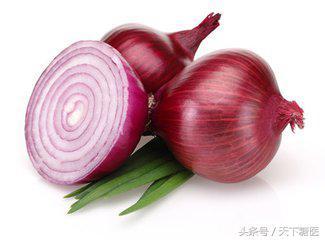
The S-methylcysteine sulfoxide contained in onion has the effect of lowering blood sugar and blood lipids. Onion also contains sulfo?butyric acid, which can play a role in lowering blood sugar by promoting the utilization of sugar by cells. Onion also has the effects of lowering blood lipids, reducing blood viscosity and improving atherosclerosis. Regular consumption can prevent the occurrence of cardiovascular and cerebrovascular complications of diabetes. American scientists have also found that onion contains prostaglandin A. Prostaglandin A can reduce peripheral vascular resistance in the human body, lower blood pressure, and increase renal blood flow and urine volume, promote sodium and potassium excretion, which is of great help in preventing kidney complications of diabetes.
Consumption tips: people with acute infectious diseases should not eat it; people with glaucoma and cataracts should not eat much of it; in order to avoid the destruction of nutrients, it should not be heated for too long when stir-frying.
Tomato:
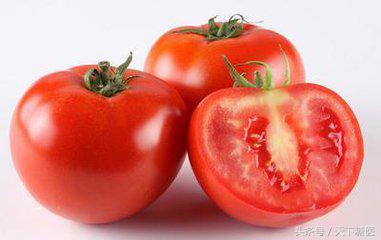
Sweet and sour in flavor, cool in nature, slightly cold. It can clear heat and quench thirst, nourish yin, cool blood, and enters the liver, stomach and lung meridians. It has the effects of promoting body fluids and quenching thirst, strengthening the stomach and promoting digestion, clearing heat and detoxifying, cooling blood and calming the liver, nourishing and supplementing blood, and increasing appetite; it lowers lipids and blood pressure, promotes urination and sodium excretion. The vitamin C, rutin, lycopene and fruit acids it contains can lower blood cholesterol and prevent atherosclerosis and coronary heart disease. It also contains a large amount of potassium and alkaline minerals, which can promote the excretion of sodium salts in the blood, have the effects of lowering blood pressure, promoting urination and reducing swelling, and have a good auxiliary therapeutic effect on high blood pressure and kidney disease.
Lowering blood pressure. Patients who often experience gum bleeding or subcutaneous bleeding can help improve their symptoms by eating tomatoes. It is suitable for people with febrile diseases, thirst, poor appetite, habitual gum bleeding, anemia, dizziness, palpitations, high blood pressure, acute and chronic hepatitis, acute and chronic nephritis, night blindness and nearsightedness.
Note: patients with acute enteritis, bacillary dysentery and active ulcer disease should not eat it.
Lettuce:

It contains relatively rich niacin, and niacin is an insulin activator. Regular consumption is helpful for preventing and treating diabetes. Lettuce can stimulate gastrointestinal peristalsis and has an auxiliary therapeutic effect on gastroparesis and constipation caused by diabetes. The potassium ions contained in lettuce are 27 times those of sodium ions, which can promote urination and lower blood pressure.
Consumption tips: in order to avoid the loss of a large amount of water-soluble vitamins, wash first and then cut; the nutritional value of lettuce leaves is higher than that of the stem, so the stem and leaves should be eaten together; in order to avoid destroying the ascorbic acid component contained in lettuce, copper utensils should not be used to store or cook lettuce.
Bitter melon:

It is known as "plant insulin." Pharmacological tests have found that the bitter melon saponin contained in bitter melon not only has an insulin-like effect, but can also stimulate insulin release, with a very obvious blood sugar-lowering effect. Some people have used oral bitter melon saponin preparations to treat type II diabetes. Therefore, appropriate intake of bitter melon by diabetic patients is beneficial for controlling blood sugar.
Consumption tips: patients with chronic enteritis should not eat much of it; when eating, it is best to stir-fry quickly over high heat and not stew or boil it for a long time.
What are your views on "diabetes" in this issue? You are welcome to leave a comment.
For diabetes, early prevention and early treatment are most important.
"Prevent disease before it occurs, prevent change once disease has occurred, prevent recurrence after recovery" - special dietary food, let the people I love live healthily and long!!