Don't just drink milk to supplement calcium; these three cheap vegetables have a higher calcium content
Vegetables and fruits contain the vitamins the human body needs, while meat products are rich in protein, calcium and other elements the human body needs. However, soy products and dairy products are also still rich in the protein and calcium the human body needs.
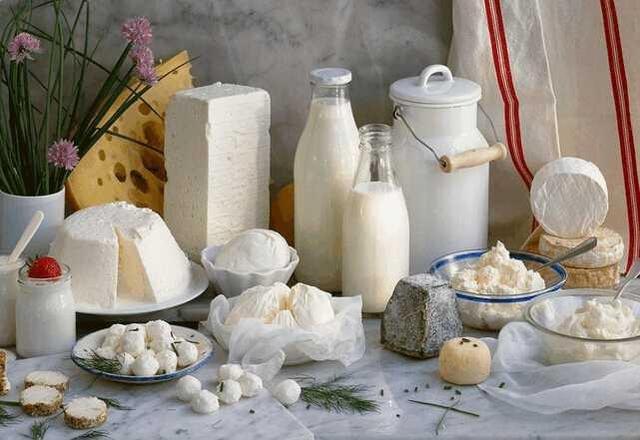
For children who are growing and developing, calcium is the guarantee of growth; for middle-aged and older people, calcium is the best helper for maintaining a youthful figure and delaying aging. To keep calcium supplementation as part of daily life, it is best to start with the diet. Many of us have the habit of drinking milk for breakfast, because milk is rich in nutrients, easy to digest and absorb, good value for money, and convenient to consume, and especially because it can provide sufficient protein and calcium for the human body to use.

But some children do not like drinking milk or are lactose intolerant, and get diarrhea as soon as they drink it. Compared with milk, some green leafy vegetables can both address the concern of children who cannot drink milk and also supplement the calcium the human body needs, and the calcium they contain even exceeds that of milk. How many people know this?
When it comes to calcium content among vegetables, spinach is perhaps the hero.
In the once-popular "Popeye," Popeye would gain strength and become mighty after eating spinach, and it is said that the story of "Popeye" was even adapted from a true story. In fact, besides spinach, many other vegetables are rich in calcium, such as shepherd's purse, cabbage, mustard greens, kale, radish, beet, spinach, almonds, jujubes, sesame, wood ear, cauliflower, and more.

People who like eating vegetables and want to supplement calcium should absolutely not miss spinach; a small bowl of spinach can make up 25% of a person's daily calcium requirement. In addition, spinach contains cellulose, iron and vitamin A, which are beneficial to health. However, note that spinach contains oxalic acid and phytic acid, so it needs to be blanched before cooking; otherwise, oxalic acid and phytic acid will combine with trace elements such as calcium, iron and zinc into compounds that cannot be absorbed, affecting the absorption of trace elements such as calcium, iron and zinc.

Shepherd's purse for health and wealth
Shepherd's purse is a wild vegetable, and its price is far lower than that of milk, but at equal quality, the calcium content contained in milk is 100 mg, while that of shepherd's purse is 400 g. Shepherd's purse can be stir-fried with meat, or chopped and made together with meat into dumpling filling. What needs attention is that the stems and leaves of shepherd's purse are relatively small and may carry mud inside, so when eating it, be sure to split the stems open and wash them clean.
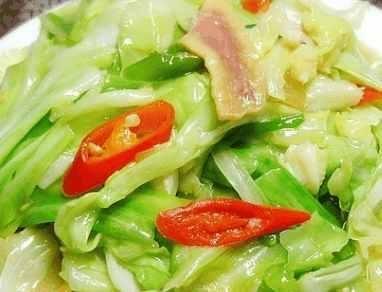
Cabbage contains more potassium and less sodium, is highly beneficial to the cardiovascular system, and easily makes people feel cheerful. In addition, fresh cabbage can inhibit bacteria and reduce inflammation, and also has a very good therapeutic effect on ulcers, and can accelerate wound healing. Finally, cabbage is also rich in folic acid and iron, so pregnant women and patients with anemia should eat more of it.