Do you know this vegetable from rural areas that has anti-cancer properties?
Do you know this vegetable from rural areas? It has anti-cancer properties
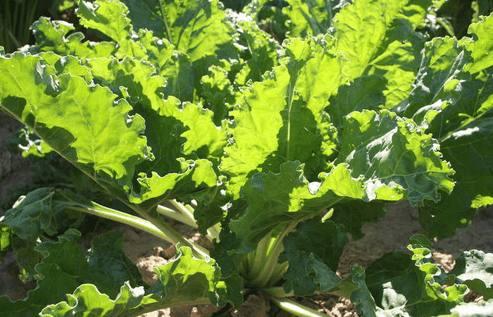
The one being talked about is the beetroot. Beetroot is commonly cooked or pickled in the United States, and Russian borscht is a traditional beet soup of Eastern Europe. The sugar beet is the most important commercial type, developed in Germany in the 18th century. Britain once blockaded France, preventing it from obtaining imported sugar; as a countermeasure, Napoleon encouraged the cultivation of beetroot, and from then on the sugar beet was widely grown throughout Europe.
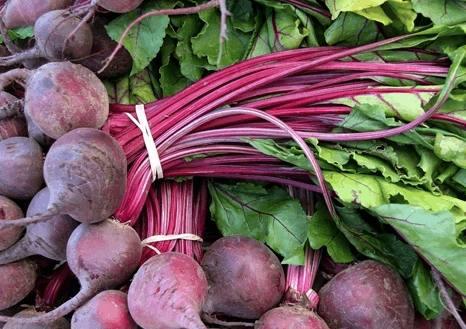
Beetroot is very easy to digest, helps improve appetite, and can also relieve headaches. Beetroot also helps prevent colds and anemia. Making a cold dressed beetroot dish is simple: peel the beetroot, cut it into strips, and season it freely. Beetroot juice is rich in nitrite substances, which have effects such as lowering blood pressure and helping prevent Alzheimer's disease. In addition, beetroot can be used to directly produce white sugar through the extraction method and carbonation clarification, but it does not produce raw sugar.
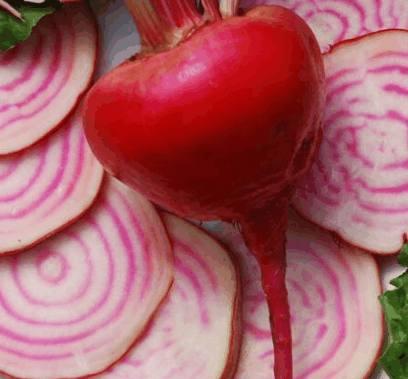
There is a variety called "Swiss chard" (var cicla) whose root is not swollen but whose leaves are large, and it is used as a vegetable. In addition, beetroot is extremely rich in pigments; the main pigments are called betalains, including the red betacyanins and the yellow betaxanthins. Most varieties of beetroot contain a relatively large amount of red betacyanin, with every 100 grams of beetroot containing as much as 200 milligrams of pigment, making it a very good source of pigment. Western Europe produces more than 200,000 tons of beetroot each year, of which about 10% is processed for pigment use. However, because betalains are very sensitive to heat, oxygen, and light, their applications are limited; they are generally commonly used in foods such as ice cream, set yogurt, dry mixed foods, and candy.