One vegetable plus one fruit, very effective for treating bloating

Many of us have the problem of bloating. Some people don't understand their own digestive system and often tell me they keep having stomachaches, burp after eating, can't eat and have no appetite. Actually, this kind of situation is usually bloating, and there is often also belching, diarrhea, and irregular eating habits.
There are many causes of bloating. Indigestion is one. Some people have a poor constitution to begin with, with weak gastric motility; eating highly stimulating foods or eating too much and not digesting it properly will cause bloating. With gastrointestinal dysfunction, waste gas accumulates in the intestines, and bloating can also occur. Another cause is excessive stomach acid; when there is too much stomach acid, carbon dioxide is easily produced, which is also why there is always bloating and burping.
Of course, bloating is also closely related to eating habits. Some people like to talk while eating, chewing with their mouths open; some people like to wolf down their food, taking big mouthfuls, and some drink soup while eating. Eating too much and stuffing yourself all easily cause digestive problems and lead to bloating.
From the perspective of food therapy, the main food therapy ingredients for relieving bloating are mandarin orange and white radish.
White radish is carminative; it can descend qi, aid digestion and moisten the lungs, promote urination and relieve constipation, and clear the intestinal tract. Moreover, white radish is a very common food in our daily lives. In clinical practice, white radish itself has medicinal value, and ordinary people often use it to aid digestion.
As the saying goes, eat radish in winter and ginger in summer, but it does not necessarily have to be winter; eating more radish regularly is also very good for the body. In daily life, we inevitably have some poor digestion and bloating, and eating more white radish is very effective.
Recommended recipe: White Radish and Pork Rib Soup
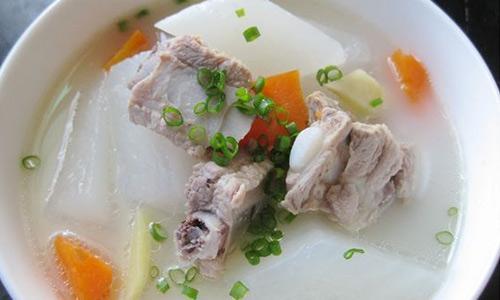
Effects: It can aid digestion and strengthen the stomach, regulate qi and resolve phlegm. White radish descends qi and aids digestion; pork ribs tonify deficiency and strengthen the tendons. Stewed together with radish, the taste is delicious and not greasy. Radish contains more fiber and is rich in water, and also has health and beauty benefits.
Ingredients: 500g pork ribs, 1 radish,
Seasonings: ginger slices, chopped scallions, refined salt, chicken essence, pepper, soy sauce, cooking wine
Steps:
1. Clean the pork ribs thoroughly, chop them into small pieces, wash the radish, peel it, and cut it into rolling cut chunks.
2. Put the chopped pork ribs into a large bowl, add salt, chicken essence, pepper, cooking wine, and soy sauce, and marinate for 10 minutes.
3. Prepare a clay pot, add clean water and the radish, and bring to a boil over high heat for later use.
4. Heat oil in another pot, pour in the marinated pork ribs and stir-fry until they change color and there is no bloody water, then pour them into the boiling radish soup, add ginger slices and scallion sections, bring to a boil, then turn to low heat and simmer for about 20 minutes, add salt and chicken essence to season, and it is ready.
Note: 1. White radish conflicts with some foods, such as carrot, mandarin orange, persimmon, ginseng, and American ginseng, so it should not be eaten with them; if you are taking other medications, do not choose this soup.
Now let's talk about mandarin orange.Mandarin orange can regulate qi and relieve bloating. As early as in the "Compendium of Materia Medica," mandarin orange was evaluated as: descending qi and relieving the diaphragm. For qi stagnation type abdominal bloating, as well as food stagnation type abdominal bloating, decocting mandarin orange into soup or soaking it in water to drink is very effective.
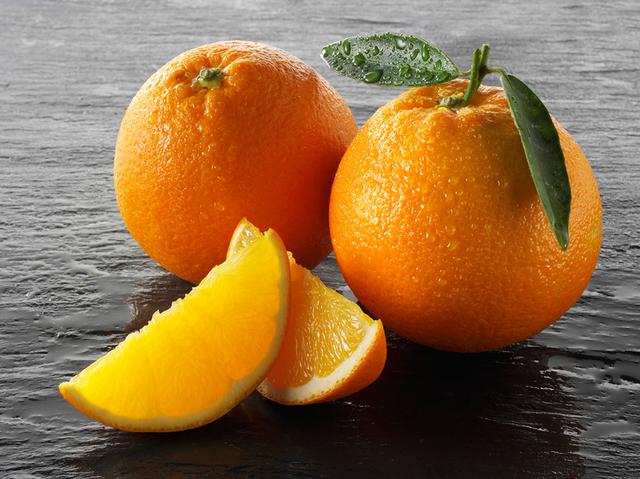
Many people love eating mandarin oranges. In fact, mandarin orange can be regarded as a very good Chinese herbal medicine. Its peel, seeds, pith, and flesh can all be used as medicine. Here it is necessary to talk about the misunderstandings we usually have when eating mandarin oranges:
First, when many people eat mandarin oranges, they habitually pull off all the white fibrous pith outside the segments and think they have just cleaned the peel thoroughly. In fact, this way of eating is a bit of wasted effort. The white net-like pith outside the segments, like the flesh, is a very good thing. These seemingly useless fibers can dredge collaterals and resolve phlegm, regulate qi and invigorate blood, and are very good for the human body. They are also very effective for some other chronic bronchitis and coronary heart disease.
Second, after eating mandarin oranges, we habitually keep the peel to soak in water and drink it, thinking it can dry dampness and resolve phlegm, and preserve health and prevent disease. In fact, this is very incorrect. Only dried tangerine peel has the effects of regulating qi and harmonizing the middle, and drying dampness and resolving phlegm, but dried tangerine peel does not refer to fresh mandarin peel; it is made from mature mandarin peel after drying in the sun. Fresh mandarin peel contains more volatile oil. Not only does it not have the medicinal effects of dried tangerine peel, but the water brewed from it has a strong volatile oil odor and can also irritate the stomach and intestines.
The flesh with the pith can simply be eaten directly, and as for the peel, here is a recommended way to make a mandarin peel tea drink:
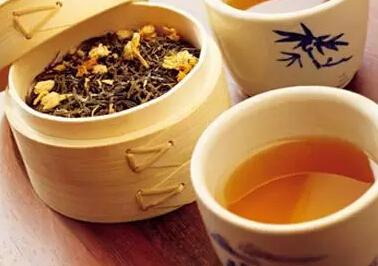
Ingredients: mandarin peel, ginger, peeled red dates, one packet of green tea.
Steps: Put all the ingredients into a pot, simmer over medium heat for 5 minutes, filter, and drink directly.
Effects: Promotes digestion, relieves stagnation, and stimulates the appetite.

Author of this article: Li Zhigang, expert in spleen and stomach of traditional Chinese medicine and lecturer at BTV Yangshengtang. Follow yihaojiankang on WeChat, enter 8001, and Professor Li Zhigang will teach you massage to treat stomach disease.