Dietary Dos and Don'ts for Eating Vegetables by Symptom (Part Two)
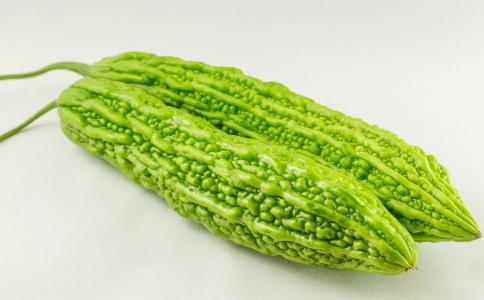
Bitter Melon - The Gentleman's Vegetable from India
[Nutritional Value]
Bitter melon, also known as cool melon, is the fruit of the annual vine of the Cucurbitaceae family. When cooking bitter melon, its bitterness never seeps into other ingredients, which is why it is also called the "gentleman's vegetable." Bitter melon originated in India and has been introduced to all parts of China, where it is now grown.
Raw bitter melon is cold in nature, while cooked bitter melon is warm in nature; it is bitter in taste and enters the liver, spleen, and lung meridians. Bitter melon contains protein, fat, carbohydrates, calcium, phosphorus, iron, carotene, vitamin B1, vitamin B2, and vitamin C, among which the vitamin C content is relatively high. Bitter melon has the functions of clearing heat and detoxifying, nourishing the liver and brightening the eyes, strengthening the spleen and tonifying the kidneys, and boosting qi and nourishing blood. It is suitable for heatstroke with fever, red eyes with tearing, yellow urine, enteritis and dysentery, and other conditions. Pharmacological experiments have confirmed that bitter melon is also an ideal food for people with diabetes.
Many people find the bitter taste of bitter melon impossible to swallow, but they do not know that a single bitter melon contains 0.4% of a weight-loss ingredient as precious as gold - high-energy fat-clearing substance, which can effectively resist obesity. Bitter melon can also moisturize, soothe, and hydrate the skin. Especially in the hot summer, applying chilled bitter melon slices can immediately relieve the heat and dryness of the skin.
[Dietary Dos and Don'ts]
1. Bitter melon is not suitable for stewing; it is best eaten raw or stir-fried over high heat, which preserves more nutrients.
2. Eating bitter melon and eggs together can protect bones, teeth, and blood vessels, allow iron to be absorbed better, have the effect of strengthening the stomach, and can treat stomach qi pain, eye pain, colds, typhoid, and diarrhea and vomiting in children.
3. Bitter melon contains quinine, which can stimulate uterine contractions and cause miscarriage, so pregnant women should eat it with caution.
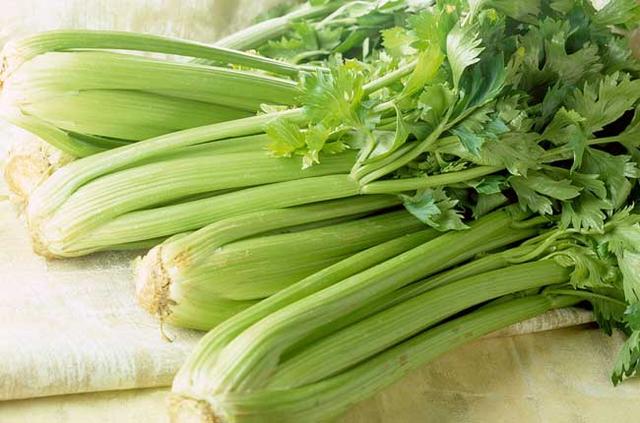
Celery - The "Husband and Wife Vegetable" of the West
[Nutritional Value]
Celery originated along the Mediterranean coast. It has a long history of cultivation in China and is widely distributed, being produced in most parts of the country. Xuanhua in Hebei, Weixian in Shandong, and Shangqiu in Henan are all famous celery-producing areas.
Celery is cool in nature and sweet and bitter in taste, and enters the lung, stomach, and liver meridians. Celery contains protein, fat, and a large amount of plant crude fiber. Both the stems and leaves of celery contain nutrients such as iron, potassium, phosphorus, vitamin P, vitamin A, and vitamin C. The content in the leaves is far higher than in the stems.
The iron in celery can replenish the loss of blood from women's menstruation. It is an excellent vegetable for patients with iron-deficiency anemia; eating it can prevent pale, dry skin and a dull complexion, and it can also make the eyes bright and the hair black and shiny. The volatile substances contained in the leaves and stems of celery have a distinctive fragrance that can enhance a person's appetite. Celery juice also has a blood sugar-lowering effect. Eating celery regularly can neutralize uric acid and acidic substances in the body, and has a good effect on preventing gout. The zinc contained in celery is an element that improves sexual function and can promote sexual excitement, which is why the West calls it the "husband and wife vegetable." A study in Thailand found that regularly eating celery can reduce the number of sperm in men and may help with contraception.
[Dietary Dos and Don'ts]
1. It is suitable for cooking together with various vegetables and meats; it can be stir-fried, stewed, or served cold, and can also be used as a filling.
2. When selecting celery, pinch the stalk; if it breaks easily, it is tender celery, and if it does not break easily, it is old celery.
3. Making soup with celery leaves and eating it over the long term can help people sleep peacefully and give the skin a glossy look.
Chinese Chives - Tonifying the Kidneys and Strengthening Yang While Also Soothing the Liver
[Nutritional Value]
Chinese chives, also known as yang-raising grass and yang-strengthening grass, belong to the Liliaceae family as a perennial herbaceous plant. They originated in East Asia, have a long history of cultivation in China, and are widely distributed, with those produced in the Northeast being of relatively better quality. The leaves of Chinese chives can be eaten, and the seeds can be used as medicine. Yellow chives are a softened variety of Chinese chives; because they do not see sunlight, they turn yellow, and their nutritional value is inferior to that of Chinese chives.
Chinese chives are warm in nature and sweet and pungent in taste. They have the effect of tonifying the kidneys and raising yang, so they can be used to treat conditions such as impotence, nocturnal emission, and premature ejaculation. The volatile essential oils and sulfides and other special components contained in Chinese chives give off a unique pungent aroma, which helps soothe and regulate liver qi, increase appetite, and enhance digestive function. The large amount of vitamins and crude fiber contained in Chinese chives can promote gastrointestinal peristalsis, treat constipation, and prevent intestinal cancer.
[Dietary Dos and Don'ts]
1. Eating Chinese chives in spring is beneficial to the liver. The quality of Chinese chives is best in early spring, second best in late autumn, and worst in summer, hence the saying "fragrant when eaten in spring, stinking when eaten in summer."
2. Chinese chives should not be paired or eaten together with cold and cooling foods such as bitter melon and aloe; Chinese chives conflict with beef, milk, and honey.
3. Pairing Chinese chives with shrimp can provide high-quality protein, promote gastrointestinal peristalsis, and keep bowel movements smooth.
4. If fresh chive juice is used for dietary therapy, because it is pungent and irritating to the mouth, it is necessary to mix 20-30 grams of chive juice with 1 cup of milk, add white sugar for seasoning, and then it can be swallowed; those with excess stomach heat should not eat too much.
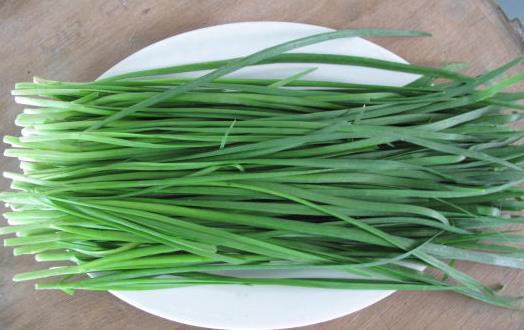
Lettuce- The "Weight-Loss Vegetable" of Fashionable People
[Nutritional Value]
Lettuce is the common name for leaf lettuce, of the genus Lactuca in the Asteraceae family. It is an annual or biennial herbaceous crop and is also a popular vegetable in European and American countries, deeply loved by people. Lettuce originated along the Mediterranean coast of Europe and was domesticated from wild species. The ancient Greeks and Romans were the first to eat it. Lettuce was introduced to China relatively long ago, and it is cultivated more in the southeastern coastal areas, especially in the suburbs of large cities and in the Guangdong and Guangxi regions, with cultivation being particularly common in Taiwan, China.
Lettuce is sweet in taste and cool in nature. Lettuce contains dietary fiber and vitamin C, and has the effect of eliminating excess fat, so it is also called weight-loss lettuce. In today's world that admires slim figures, it is much loved by people. Its stems and leaves contain lactucin, which tastes slightly bitter and has effects such as pain relief, sedation, lowering cholesterol, and assisting in the treatment of neurasthenia. Lettuce contains effective components such as mannitol, which has diuretic effects and promotes blood circulation.
The main way to eat lettuce is raw, and it is the leading vegetable in Western vegetable salads. Washed lettuce leaves placed on a cold platter, paired with other brightly colored vegetables or meat and seafood, make a salad excellent in color, aroma, and taste.
[Dietary Dos and Don'ts]
1. It is extremely sensitive to ethylene, so during storage it should be kept away from apples, pears, and bananas to avoid inducing reddish-brown spots.
2. Lettuce goes well with rabbit meat and garlic; lettuce conflicts with tofu and vinegar.
3. Whether stir-frying or boiling lettuce, the time should not be too long, so as to maintain its crisp and tender texture.
4. Tearing lettuce into pieces by hand makes it taste crisper than cutting it with a knife.
5. Wash the lettuce, add an appropriate amount of salad dressing, and eat it directly; eating it often can help women maintain a slim figure.
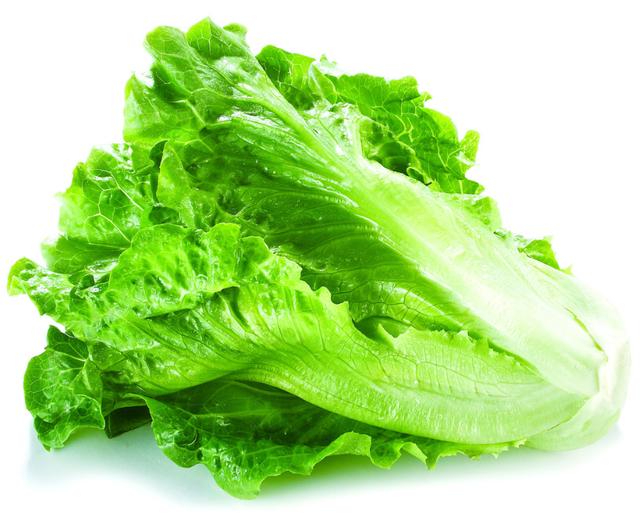
A-choy- A Low-Calorie, High-Nutrition Green Vegetable
[Nutritional Value]
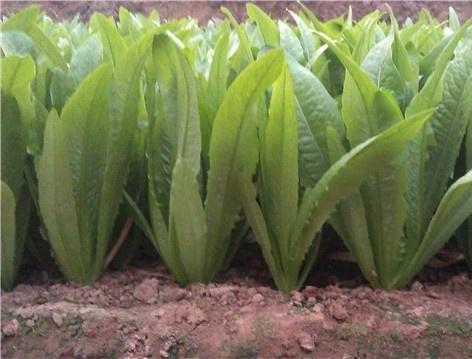
A-choy, also known as thin wheat vegetable, is called bitter vegetable in some places (in fact, it is not bitter vegetable). It belongs to the Asteraceae family and is a pointed-leaf leaf lettuce whose product is the tender tips and tender leaves. The leaves are long and lanceolate, pale green in color, crisp and tender in texture, and extremely fresh, tender, and fragrant in taste, with a unique flavor.
A-choy contains a large amount of calcium, iron, protein, fat, vitamin A, vitamin B1, vitamin B2, and other nutritional components. It is a top-grade raw vegetable and is known as "phoenix tail." A-choy has effects such as lowering cholesterol, treating neurasthenia, clearing dryness and moistening the lungs, and resolving phlegm and relieving cough. It is a low-calorie, high-nutrition vegetable.
[Dietary Dos and Don'ts]
1. It is mainly eaten raw; it can be served cold, or dipped in various seasonings. When cooked, it can be stir-fried or prepared in other ways, with a unique taste.
2. A-choy should not be stir-fried for too long; it is enough when just cooked through, otherwise it will affect the crisp and tender texture and bright color of the finished dish.
3. Seafood soy sauce and light soy sauce should not be added too much, otherwise the finished dish will lose its light flavor.