Which vegetable is known as a good friend to people with diabetes?
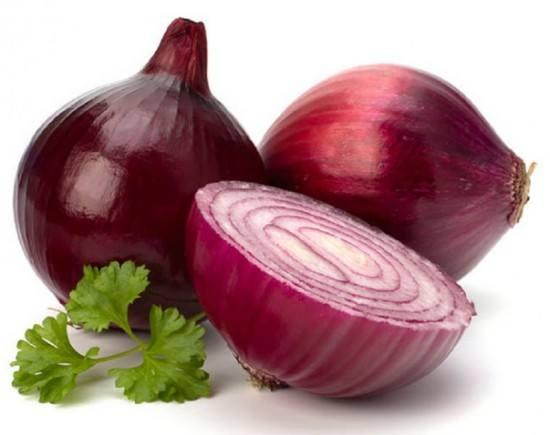
Onion, known as the "good friend of people with diabetes." It is rich in nutrients; every 100 grams of fresh onion contains about 88 grams of water, 1.1 grams of protein, 8.1 grams of carbohydrates, 0.9 grams of crude fiber, 0.2 grams of fat, 0.2 grams of ash, 0.02 mg of carotene, 8 mg of vitamin C, 0.02 mg of vitamin B2, 0.03 mg of vitamin B1, 0.14 mg of vitamin E, 147 mg of potassium, 4.4 mg of sodium, 40 mg of calcium, and selenium, zinc, copper, iron, magnesium, and more.
The effects of onion:
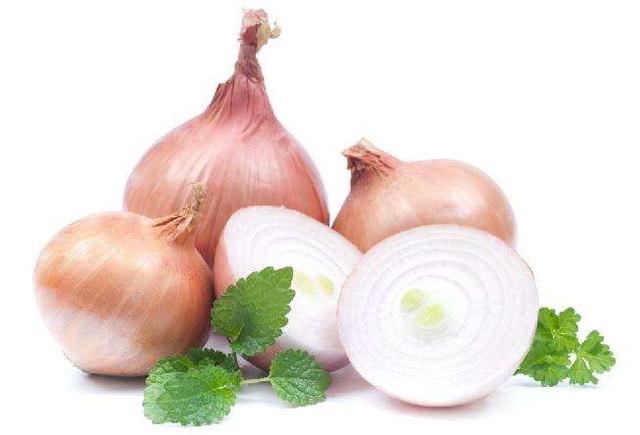
1. Protective effect (lowers blood pressure and regulates blood lipids)
The prostaglandin A contained in onion is a relatively strong vasodilator. It can reduce the resistance of the body's peripheral blood vessels and coronary arteries of the heart, counteract pressure-raising substances such as catecholamines in the body, and promote the excretion of substances such as sodium salts that cause blood pressure to rise. Therefore, it has the effect of lowering blood pressure and preventing thrombosis. Substances such as diallyl disulfide and sulfur-containing amino acids have the remarkable function of resisting vascular sclerosis and lowering blood lipids. Research has found that after people with high blood lipids eat onion for a period of time, their cholesterol, triglycerides, and lipoproteins all decrease significantly. Regularly eating onion can stabilize blood pressure over the long term and reduce vascular fragility. It has a very good protective effect on human arterial blood vessels.
2. Diuretic effect
Onion can not only have a health-promoting effect on middle-aged and older people prone to cardiovascular diseases, but can also be used to prevent and treat diabetes and renal edema. This is because onion contains organic compounds similar to the blood sugar-lowering drug tolbutamide, and can produce quercetin, which has a strong diuretic effect, in the body.
3. Anti-cancer effect
Modern medical research shows that onion contains the trace element selenium. Selenium is an antioxidant that can promote the body to produce large amounts of glutathione. The main physiological function of glutathione is to scavenge free radicals. When the concentration of this substance rises, the incidence of cancer decreases. Therefore, onion is also an anti-cancer medicinal food.
4. Bactericidal and anti-inflammatory effects
Animal experiments prove that onion can increase gastrointestinal tone and secretion, and can be tried for intestinal atony and non-dysenteric enteritis.
5. Other effects
In folk medicine, onion is used as a diuretic and expectorant. For external use, it has a mild stimulating effect. It has an anti-diabetic effect on alloxan- and epinephrine-induced hyperglycemia. Onion extract has a contracting effect on isolated uterus. Feeding raw or cooked onion, or various onion extracts, to rats and guinea pigs can reduce the red blood cell count, and the degree of reduction is proportional to the dose fed. Because it contains vitamin C, vitamin B1, vitamin B2, and vitamin A, it can be used for vitamin deficiency, especially vitamin C deficiency.

Usage:
Internal use: eaten raw or cooked, 30-60 grams. External use: pounded and applied, or pounded and the juice applied.
Contraindications:
It should not be eaten during fever, eye disease, or after febrile illness.