One Vegetable a Day: The Nutritional Value of Taro and Precautions
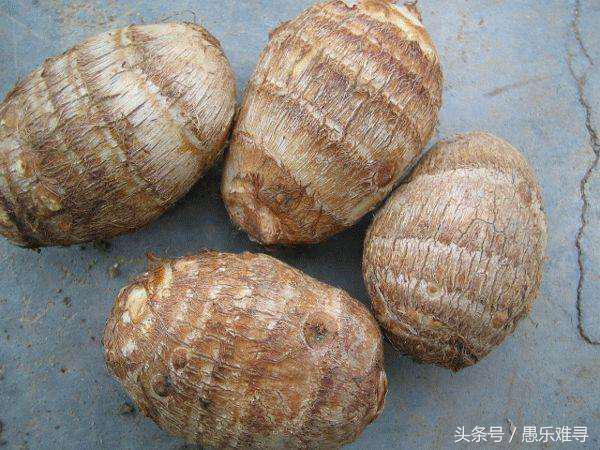
Image from the internet
Taro is rich in nutrients, containing a large amount of starch, minerals and vitamins. It is both a vegetable and a staple food, and can be eaten cooked, dried or ground into powder. Because taro's starch granules are small, only one-tenth the size of potato starch, its digestibility can reach 98.8%, and in terms of taro processing, it can be made into taro flour and taro paste filling to extend its shelf life.

Image from the internet
Taro can also be grown as an ornamental plant, similar to philodendron and lucky bamboo.
Traditional Chinese medicine holds that taro has the effects of stimulating the appetite and promoting fluid production, reducing inflammation and relieving pain, and tonifying qi and benefiting the kidneys, and can treat stomach pain, dysentery, chronic nephritis and so on. According to nutritional analysis, taro contains carbohydrates, dietary fiber, B vitamins, potassium, calcium, zinc and so on, among which dietary fiber and potassium are the most abundant.
Best ways to eat it:
There are many ways to eat taro. It can be boiled, steamed, braised, roasted, simmered, stir-fried, stewed or deep-fried. The most common method is to boil or steam the taro and eat it dipped in sugar; taro braised with meat, or taro cut into cubes and cooked together with corn to make porridge.
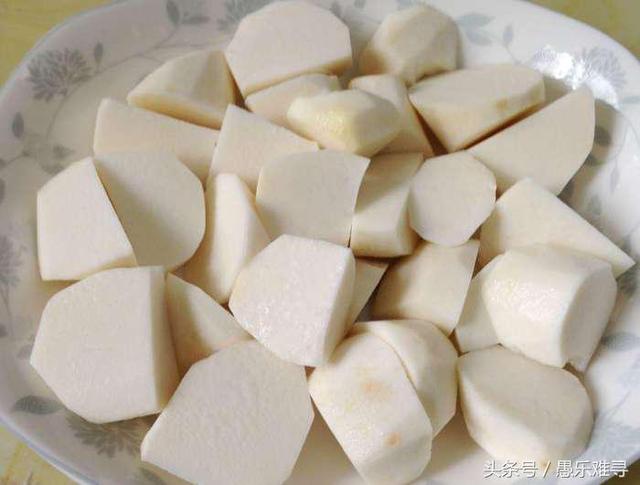
Image from the internet
Cautions for eating it raw:
Eating taro raw is mildly toxic, and it should not be eaten too much when cooked, as it can easily cause bloating or food stagnation in the gastrointestinal tract.
Thank you for watching.