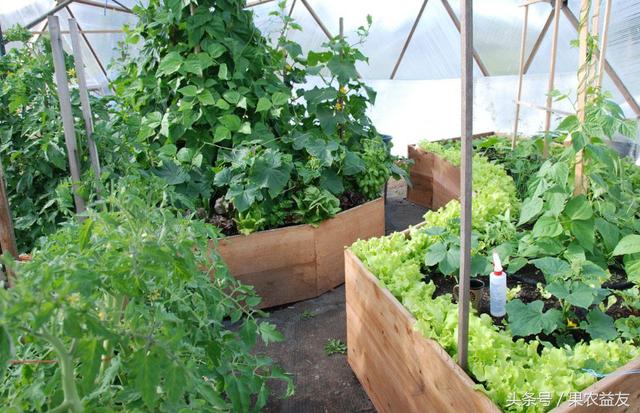
The Complete Guide to Balcony Vegetable Planting and Management Techniques
Planting vegetables on a balcony has many benefits. On one hand, we can eat vegetables we are 100 percent confident in; on the other hand, it lets us always enjoy a different kind of greenery amid our busy city life, and at the same time it gives our children a great environment for learning. But how exactly should balcony vegetables be planted?
1. Choosing the soil
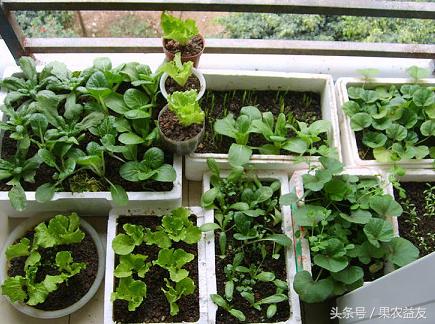
Balcony vegetable planting is generally on a fairly small area, so when choosing soil you can pick the very best from the best. We can choose fully decomposed pig and cattle manure, then mix it with fertile soil that has good crumb structure at a ratio of 4:6. If you do it this way, you reduce the step of applying top dressing, and the vegetables grown this way will also be of better quality.
2. Choosing vegetable varieties
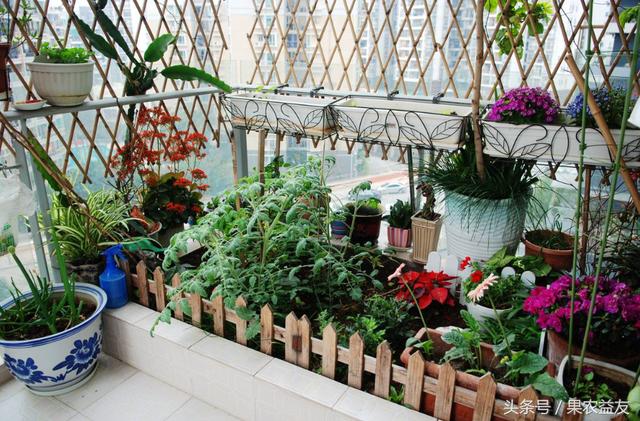
The choice of vegetables is generally decided by temperature. So for planting in the first half of the year, you can choose heat-loving vegetables, such as eggplants, gourds and beans; while the temperature in the second half of the year is relatively lower, so you can choose some cold-loving vegetables, such as Chinese cabbage and green leafy vegetables; and for the high-temperature weather in July-August, you can grow vegetables like baby bok choy that do not have strict requirements for the harvest period.
3. Temperature management
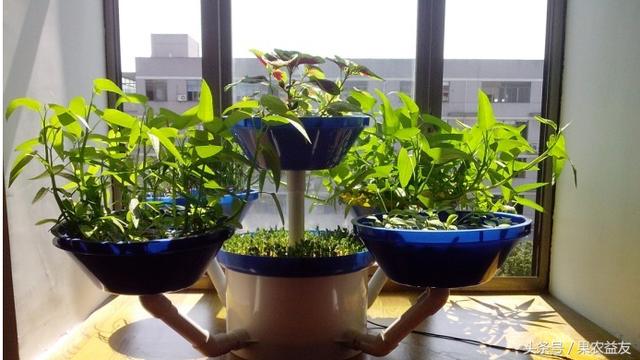
As mentioned earlier, the choice of vegetables is generally decided by temperature, mainly divided into the first and second halves of the year. For vegetables planted in the first half of the year, the early temperature is generally on the low side, so at this time you should close the doors and windows during working hours to give the vegetables a mini-greenhouse environment and promote their growth. This method can also be used for vegetables planted after work. But for heading vegetables such as Chinese cabbage and cabbage, when the doors and windows are closed and the light is strong, the temperature can get too high and affect the growth of these vegetables, so at this time you need to adopt reasonable ways to control the temperature environment.
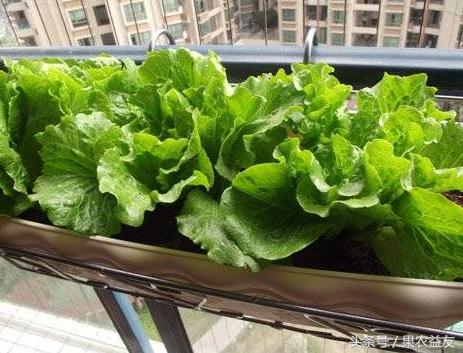
4. Water and fertilizer management
Watering balcony vegetables is generally quite convenient, so you can use the method of watering little but often, which keeps the soil moist at all times and is good for plant growth. As for fertilizer management, when preparing the soil we have already taken some measures to ensure sufficient nutrients. In theory, these nutrients can meet the growth needs of the vegetables, but if during the later stage of vegetable growth the plants are relatively weak, you still need to apply some fertilizer to ensure the plants' growth needs, decided according to the specific situation.