How should you eat vegetables to actually lose weight? A full breakdown of the right way to eat them
We all know that vegetables are the top choice for people trying to lose weight, butmany people use vegetables to lose weight and fail to get the results they want. Whyis that?
First, let's hear a case from dietitian Xiao Tang:
Old Li is nearly 70 this year, has high blood pressure, and recently his blood sugar has also been trending upward. He is 168 cm tall and weighs 150 jin. For the sake of his health, he recently started actively losing weight, and made a firm resolution to switch from eating meat to eating vegetables. Two months have passed, and his weight has not budged at all, which baffles him completely. So I decided to ask the old man exactly how he was eating his vegetables. Stir-fried garland chrysanthemum, home-style tofu, braised eggplant in oil... it all sounds quite reasonable.
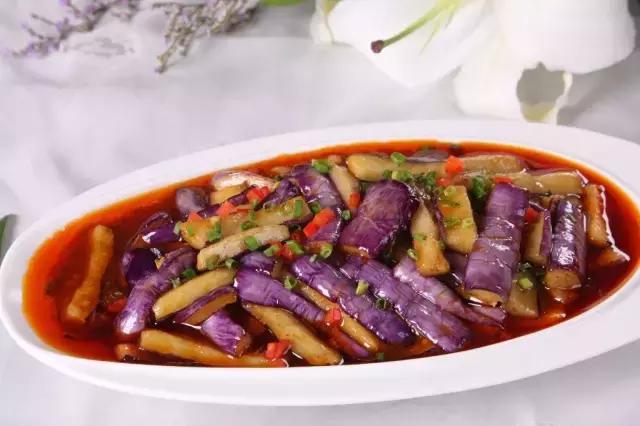
But wait, take a closer look at the bottom of the plate left after the vegetables were eaten: a greasy layer of oil.
It seems the so-called vegetarian dishes are not vegetarian at all! Only after asking carefully did it become clear: because he no longer added meat, but wanted the food to taste more fragrant, he added a generous amount of cooking oil when stir-frying!
You should know,peanut oil, rapeseed oil, olive oil... all oils are essentially real fat, no different from fatty meat!That being so, no matter how many vegetables you eat, of course you still cannot lose weight.
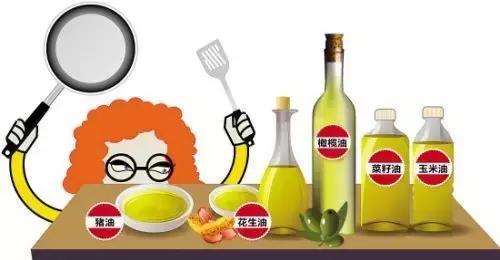
So, if you want to eat vegetables to lose weight, the first thing to pay attention to is the cooking method and reducing your intake of cooking oil (the Nutrition Society recommends no more than 25 grams per person per day, about three teaspoons).Steaming, blanching, making soup, stewing, quick stir-frying, and cold tossing are all fine, with using little oil as an absolute prerequisite. Otherwise, with a plate of greasy braised eggplant plus a portion of dry-fried green beans made in oil, don't expect them to help you lose weight.
However,there are many varieties of vegetables, and not every one can deliver the best blood sugar balance and weight loss results.People generally assume that as long as they choose vegetables with very low calories like cucumber and tomato, and avoid starchy vegetables like potato and taro, they can help themselves lose weight.
This idea is understandable, but it is far removed from the actual results. Those who rely on eating tomatoes and cucumbers to lose weight are all so hungry their front ribs stick to their backs, unable to persist long term, and their bodies do not feel much lighter either. If this goes on long term, edema can even appear, and they look sallow and malnourished.
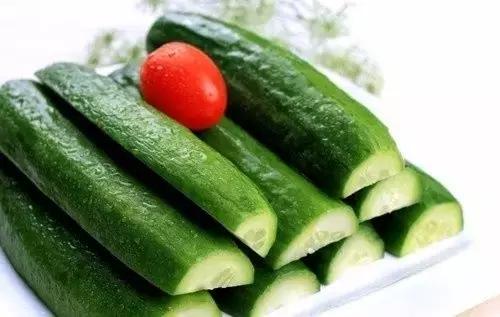
This is because although vegetables such as cucumber, tomato, and winter melon are very low in calories, they contain relatively little dietary fiber and do not stay in the stomach long enough, so they are not the best "filling" vegetables; potato and lotus root contain relatively more starch, but they are not "fattening vegetables" either.
The key to getting vegetables to help with weight loss is to divide vegetables into different categories and let each play a different role.At the same time, you must incorporate plenty of vegetables into a nutritionally balanced diet, rather than eating only vegetables and no other types of food.
The common classification of vegetables divides them intoleafy vegetables, fruit vegetables, and root and stem vegetablesand so on. However, for the theme of weight loss, dietitian Xiao Tang reclassified vegetables intostaple-food vegetables, hunger-resistant vegetables,andfiller vegetables。
Staple-food vegetables
Lotus root, water chestnut, pumpkin, and various tubers (potato, sweet potato, Chinese yam, taro).
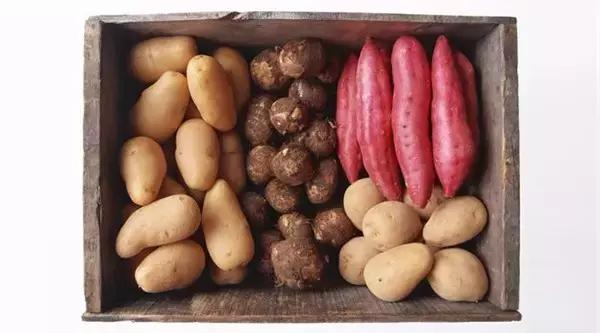
These vegetables all contain starch and can partially replace rice- and flour-based staple foods.But compared with white rice and white steamed buns, they have more fiber, higher vitamin content, a lower blood sugar response, and a stronger feeling of fullness. When you eat the same calories, they are less likely to leave you hungry. So they should occupy a certain share of your daily staple foods.
Hunger-resistant vegetables
Fungi(various mushrooms, shiitake mushrooms, wood ear mushrooms, etc.),algae(kelp, wakame, nori, etc.),cauliflower of all colors, green beans, and various dark green leafy vegetables(spinach, amaranth, Chinese kale, water spinach, Malabar spinach, mustard greens, bok choy, baby bok choy, etc.),are all vegetables high in fiber, low in calories, and especially good at filling the stomach.。
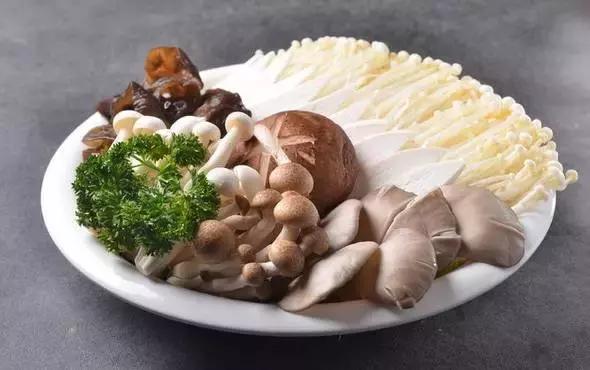
Although they contain almost no starch, they can make people feel full, and that fullness can last a long time. So,eat these vegetables at every meal, and it is best to eat them before eating rice- and flour-based staple foods, so as to slow the rise in post-meal blood sugar.
Low-energy filler vegetables
Tomato, cucumber, winter melon, zucchini, napa cabbage, radish, celtuce, cabbage, etc.
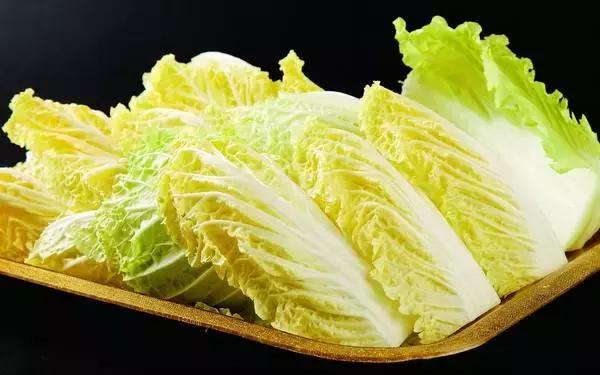
These vegetables are high in water and low in calories, and there is almost no need to limit how much you eat.As long as you eat enough of them, they can also play a certain role in increasing fullness during a meal, at least psychologically making people feel as if they have eaten a lot.They can also add water and potassium, which is very beneficial for people with high blood pressure and gout.
Eating more vegetables not only helps prevent constipation, but also slows the rise in post-meal blood sugar and smooths out blood sugar fluctuations in the hours after a meal. The overall result is a greatly enhanced feeling of fullness from a meal.
Now do you understand how to eat vegetables to lose weight correctly?
Key point 1:
Weight-loss cooking = little oil + steaming, boiling, stewing, and stir-frying cooking methods
Key point 2:
Weight-loss vegetables = staple-food vegetables + two kinds of hunger-resistant vegetables + plenty of filler vegetables
= More hunger resistance + more vitamins and minerals
For more weight-loss topics, please leave a message, and dietitian Xiao Tang will answer them for you.
This article comes from the Xiaotangshan Vegetables WeChat public account (ID: ixiaotangshan). Xiaotangshan Vegetables, devoted to growing vegetables for 30 years, has plenty of fresh, high-quality, and safe vegetables waiting for you to taste!