Instructions for pesticide control of 12 common vegetable pests and diseases
Downyblight diseases (downy mildew, late blight, white rust, Phytophthora root rot, etc.)
Biological prevention: Pythium oligandrum/Trichoderma/Bacillus licheniformis/berberine + sodium alginate
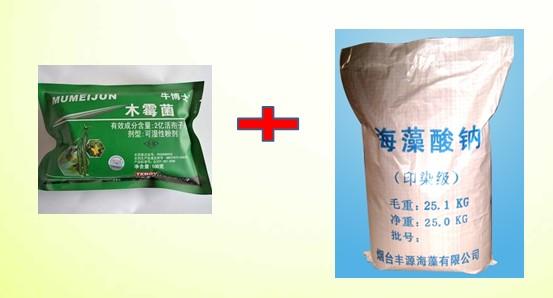
Chemical prevention: mancozeb/chlorothalonil + polyoxin/wuyiencin + humic acid/brown sugar
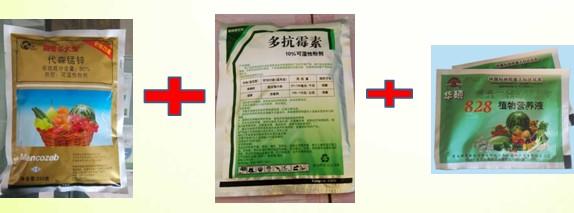
Early-stage formula: metalaxyl-mancozeb/mandipropamid/dimethomorph-mancozeb/cymoxanil-mancozeb/propamocarb hydrochloride + ethylicin + polyoxin/wuyiencin + humic acid/brown sugar
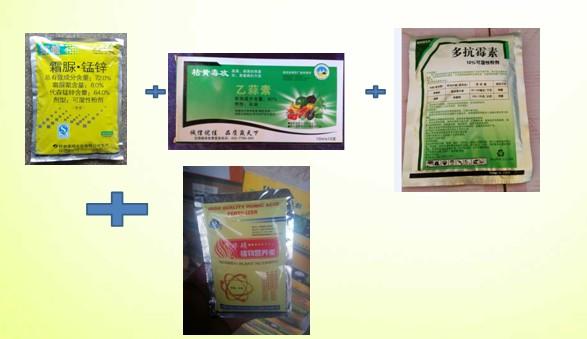
Mid-stage formula: fluopicolide-propamocarb (Infinito)/pyraclostrobin/oxadixyl-cymoxanil (Sandofan)/propamocarb-fosetylate (Previcur) + chlorobromoisocyanuric acid + polyoxin/wuyiencin + humic acid/brown sugar.
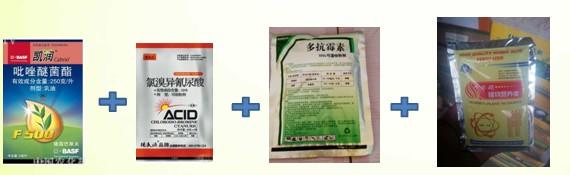
Suitable crops: leafy vegetables, solanaceous fruits, cucurbits, legumes, alliums. If late blight occurs, increase the grade by one level and control must be fast.
Tomato fruit blotch
Prevention: Nativo (trifloxystrobin + tebuconazole) + humic acid/brown sugar
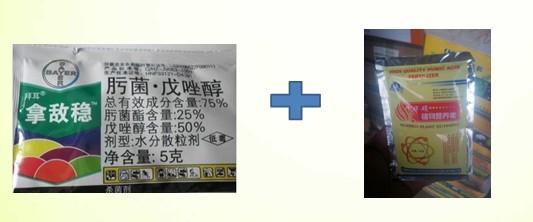
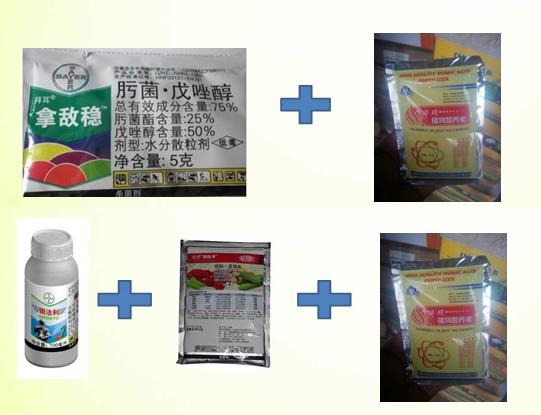
Treatment: Infinito (fluopicolide-propamocarb) + Sandofan (oxadixyl-cymoxanil) + humic acid/brown sugar; Infinito (fluopicolide-propamocarb) + Sandofan (oxadixyl-cymoxanil) + humic acid/brown sugar
Mucor diseases
Biological prevention: Trichoderma/berberine/catechin + sodium alginate.
Chemical prevention: mancozeb/chlorothalonil + polyoxin/wuyiencin + humic acid/brown sugar.
Early-stage formula: iprodione/pyrimethanil/procymidone + difenoconazole + ethylicin/chlorobromoisocyanuric acid + polyoxin/wuyiencin + humic acid/brown sugar.
Mid-stage formula: boscalid/cyprodinil + difenoconazole + ethylicin/chlorobromoisocyanuric acid + polyoxin/wuyiencin + humic acid/brown sugar.
Sooty mould formula: iprodione + difenoconazole + ethylicin.
Spot diseases (brown spot, anthracnose, scab, leaf spot, early blight, etc.)
Prevention formula: polyoxin/wuyiencin + sodium alginate
Treatment formula: azole fungicide + ethylicin + polyoxin/wuyiencin + humic acid/brown sugar.
Scab prevention formula: mancozeb/carbendazim/thiophanate-methyl/chlorothalonil + sodium alginate.
Scab treatment formula: triazoles (difenoconazole, propiconazole, flusilazole, tebuconazole)/imidazoles (prochloraz, triflumizole)/strobilurins (kresoxim-methyl, pyraclostrobin)/dicarboximides (iprodione) + kasugamycin + ethylicin + humic acid/brown sugar.
Suitable crops: leafy vegetables, solanaceous fruits, cucurbits, legumes, alliums. Note: halve the dosage of azole fungicides during the seedling stage of cucurbits and legumes; use with caution on solanaceous fruits before flowering and fruit set.
Powdery mildew and rust diseases (powdery mildew, rust, etc.)
Prevention formula: polyoxin/wuyiencin + sodium alginate.
Treatment formula: azole fungicide/ethirimol/trifloxystrobin + ethylicin + humic acid/brown sugar + silicon fertilizer. Suitable crops: leafy vegetables, solanaceous fruits, cucurbits, legumes, alliums.
Note: halve the dosage of azole fungicides during the seedling stage of cucurbits and legumes; use with caution on solanaceous fruits before flowering and fruit set.
Root wilt diseases
① Fusarium and Verticillium wilt
Prevention formula: horseradish extract/copper acetate/copper sulfate + humic acid + EM/CM (Trichoderma harzianum may be used)
Treatment formula: hymexazol/hymexazol-metalaxyl + validamycin/pyrimidine nucleoside/polyoxin + rooting peptide + EM/CM
② Bacterial wilt
Prevention formula: horseradish extract/copper acetate/copper sulfate + humic acid + EM/CM
Treatment formula: streptomycin sulfate/zhongshengmycin/copper hydroxide/thiodiazole-copper + rooting peptide + EM/CM
③ Phytophthora root rot
Prevention formula: horseradish extract/copper acetate/copper sulfate + humic acid + EM/CM
Treatment formula: oxadixyl-mancozeb (Sandofan, highly effective against downy mildew, Pythium and white rust fungi)/propamocarb-fosetylate (Previcur) + hymexazol + thiophanate-methyl + rooting peptide + EM/CM
④ Stem base rot
Prevention formula: horseradish extract/copper acetate/copper sulfate + humic acid + EM/CM
Treatment formula: thiophanate-methyl + hymexazol + pyrimidine nucleoside/polyoxin + EM/CM
Root-knot nematode disease
Control formula: abamectin/phorate · phoxim/fosthiazate + chitosan + rooting peptide.
Suitable crops: solanaceous fruits, cucurbits, legumes
Growing point shrinkage diseases
① Viral disease (occurring under high temperature, drought, pest outbreak, or soil Zn deficiency)
Prevention formula: oligosaccharins/ningnanmycin + humic acid/white sugar + zinc-copper-silicon-molybdenum nutrients
Early-stage formula: moroxydine hydrochloride/moroxydine-copper acetate/octylamine acetate + chlorobromoisocyanuric acid + humic acid/white sugar + zinc-copper-silicon-molybdenum nutrients
② Boron deficiency (growing point shrinkage, wrinkled leaf veins, hollow stems)
Treatment formula: humic acid + boron fertilizer + plant enzyme activator
③ Calcium deficiency (new leaves shriveled, dried, tip-burn)
Treatment formula: humic acid + calcium fertilizer + plant enzyme activator
④ Phytotoxicity, especially 2,4-D damage and triazole fungicide damage (wrinkled leaves and stems)
Early-stage formula: first spray with plenty of water, then spray humic acid + plant enzyme activator
Mid-stage formula: water and fertilize, combined with foliar spraying of humic acid + plant enzyme activator.
Suitable crops: leafy vegetables, solanaceous fruits, cucurbits, legumes, alliums
Bacterial diseases (characteristics of bacterial diseases: thin, translucent, shiny, scattered, spotted, oozing)
Prevention formula: zhongshengmycin + sodium alginate + calcium (Ca) fertilizer
Treatment formula: thiodiazole-copper/streptomycin sulfate/streptomycin/copper hydroxide/bismerthiazol + chlorobromoisocyanuric acid/ethylicin + humic acid/brown sugar + Ca fertilizer.
Suitable crops: leafy vegetables, solanaceous fruits, cucurbits, legumes
Viral diseases (yellowing, fern leaf, streak, etc.)
Prevention formula: oligosaccharins/ningnanmycin + humic acid/white sugar + zinc-copper-silicon-molybdenum nutrients
Early-stage formula: moroxydine hydrochloride/moroxydine-copper acetate/octylamine acetate + chlorobromoisocyanuric acid + humic acid/white sugar + zinc-copper-silicon-molybdenum nutrients.
Suitable crops: solanaceous fruits, cucurbits
Physiological diseases (low-temperature freeze damage, high-temperature injury, nutrient deficiency, etc.)
Control formula: Bihu (brassinolide) + humic acid/brown sugar (foliar spray) + microbial fertilizer (root application). If it is a nutrient deficiency, simply add the missing nutrient element to the above formula.
Suitable crops: all crops
Vegetable stress (wind, rainfall, etc.)
Prevention formula: iprodione + chlorothalonil/carbendazim + thiodiazole-copper + Bihu + humic acid/brown sugar.
Suitable crops: all crops
Remedial methods for vegetable phytotoxicity (suitable crops: all crops)
① Spray water to rinse. After spraying the wrong pesticide or causing phytotoxicity, while the solution has not yet fully penetrated or been absorbed, quickly spray the leaves with plenty of clean water, rinsing repeatedly 3-4 times, to wash off as much of the pesticide solution from the plant surface as possible.
② Spray a mitigating agent. If the phytotoxicity is caused by an acidic pesticide, add an appropriate amount of quicklime to the rinsing water; if caused by an alkaline pesticide, add an appropriate amount of vinegar to the rinsing water. If phytotoxicity is caused by excessive copper sulfate spraying, spray 0.5% quicklime water for rescue; after damage from lime sulfur, on the basis of washing with water, spray a 400-500 times dilution of rice vinegar to reduce the phytotoxicity.
③ Irrigate to reduce toxicity. When phytotoxicity is caused by excessive soil application of pesticides, irrigate the field early to wash it, so that a large amount of the pesticide is flushed out of the field with the water. On one hand, this increases the water content of vegetable crop cells, promotes metabolism, and lowers the relative concentration of pesticide in the plant, reducing the severity of phytotoxicity; on the other hand, it lowers the pesticide concentration in the soil and reduces the toxicity of the pesticide to the crops.
④ Apply fertilizer promptly. After phytotoxicity occurs, crop growth is inhibited and vigor weakens. If nitrogen, phosphorus, potassium fertilizer or decomposed organic fertilizer is applied promptly, it can help the affected plants gradually recover growth and improve their own ability to resist phytotoxicity.
Classification of plant pests and control pesticides
① Small pests (aphids, thrips, whiteflies, planthoppers, etc.)
Control pesticides: eucalyptus oil/acetamiprid (Actara)/imidacloprid/acetamiprid/nitenpyram/matrine/veratrine/azadirachtin/spinosad (highly effective against Lepidoptera, Diptera, Thysanoptera; ineffective against piercing-sucking pests and mites)
Thrips control formula: Actara + spinosad
② Large pests (cabbage caterpillars, leaf rollers, beetles, etc.)
Control pesticides: nucleopolyhedrovirus/Bacillus thuringiensis/abamectin/emamectin benzoate/chlorantraniliprole (highly effective against Lepidoptera)/flubendiamide/spinosad (cabbage caterpillar). Leaf beetle control formula: emamectin benzoate + spinosad; Lepidoptera control formula: chlorantraniliprole/emamectin benzoate + spinosad
③ Mites (red spider mite, white spider mite, etc.)
Control pesticides: abamectin/pyridaben/azocyclotin
④ Soil pests (mole crickets, white grubs, wireworms, cutworms, leek maggots, etc.)
Control pesticides: entomopathogenic nematodes/chlorpyrifos/phoxim
⑥ Mollusks (snails, slugs, etc.)
Control pesticide: metaldehyde