A Reveal of the Past and Present of Common Fruits and Vegetables
When you are holding a slice of watermelon or an ear of corn and eating heartily
think about this
these fruits and vegetables that we are so used to seeing every day
did not necessarily look like this before
Below are some foods we are very familiar with
but whose appearance has changed beyond recognition
What is this plant covered in whiskers?
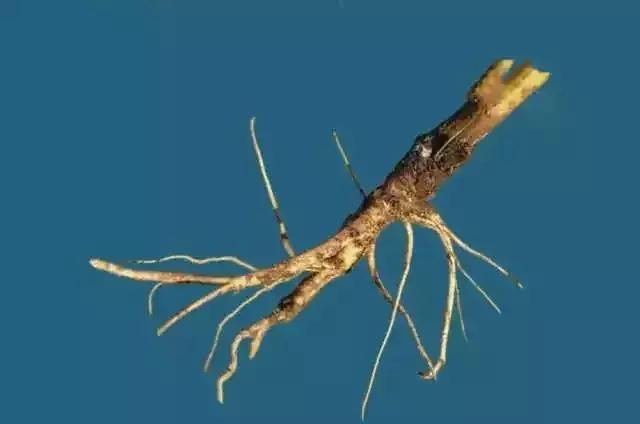
Could it be a medicinal herb?
Actually,
this is a wild carrot!
The earliest carrots grew in 10th-century Persia and Asia Minor
They were purple or white at first
with thin, forked roots
But later
their purple pigment gradually faded and turned yellow
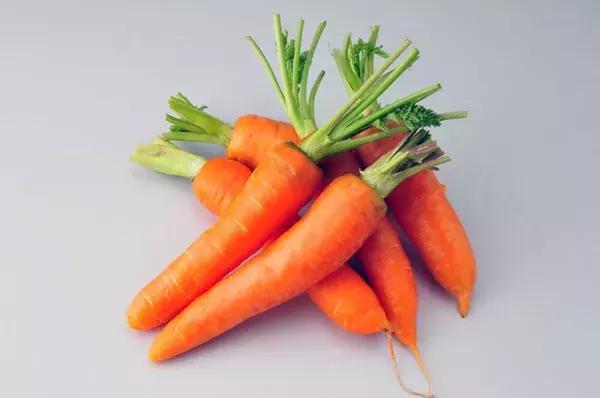
People improved those carrots with thin roots
pungent flavor and a biennial life cycle
turning them into today's more robust, brightly colored
and "crunchy" crop
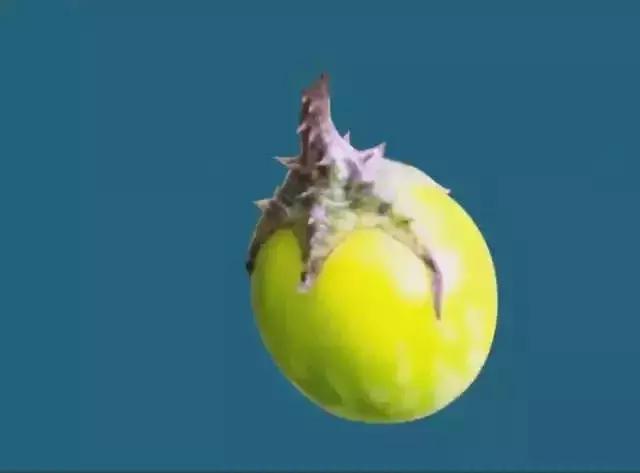
And what is this round fellow?
It looks very much like a pomelo
It is actually the "ancestor" of the eggplant! Wild eggplants were thorny
Today's eggplant, on the other hand, is connected to its flower
Wild eggplants came in various colors, including white, blue, purple and yellow
Some were even round
not like today's oval eggplants.
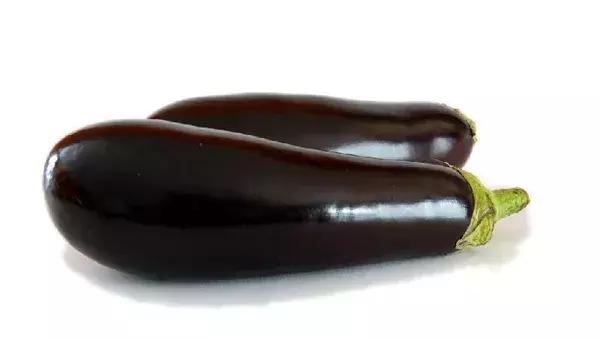
After selective breeding
the thorns on the eggplant stem no longer exist
and it has become the larger
oval purple vegetable we can now buy at the vegetable market
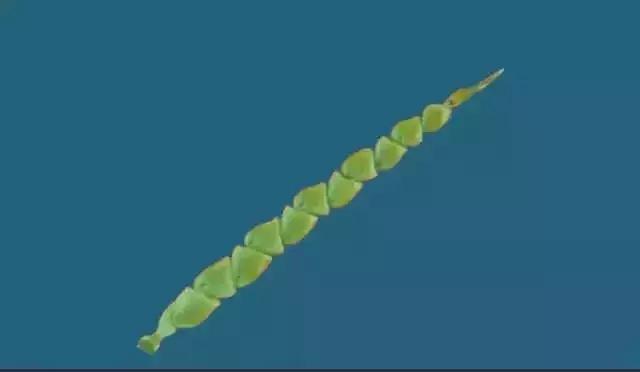
This green plant will surely surprise you
because it is wild corn
Does it bear no resemblance at all to modern corn?
North American sweet corn is perhaps the most typical example of selective breeding
It was developed from a barely edible grass plant called teosinte
Humans first began cultivating corn in 7000 BC
At that time the corn was very dry
and looked just like an unprocessed potato
Today's corn is more than 1000 times larger than it was over 9000 years ago,
easier to husk and easier to grow
The sugar content of modern corn has reached 6.6%
while that of wild corn is only 1.9%
Half of these changes appeared after European colonists began cultivating corn in the 15th century
This is a painting by the 17th-century Italian painter
Giovanni Stanchi
's paintings
The plant in the lower right corner should be relatively easy to recognize. That's right
it is a wild watermelon
This is a 17th-century painting
It shows what the seeds inside the watermelon looked like at that time
Compared with wild watermelons, modern watermelons
are fairly similar on the outside
but on the inside they have plump, juicy red flesh
And in fact
the flesh of a watermelon is its placenta
and some watermelons are even seedless
And what is this fruit covered in small holes?
It is actually a wild banana
The earliest bananas cultivated by humans date back at least 7000 years
or even earlier
traceable to 10000 years ago
These banana ancestors were first planted in what is now Papua New Guinea
and also in Southeast Asia
Today's bananas evolved from two species
Musa acuminata and Musa balbisiana
The seeds of these two bananas were very large
and hard, just like in the picture
Hybridization techniques produced today's delicious bananas
Their shape is easier to hold, their skin can be peeled directly
and they taste soft, glutinous and sweet
Peaches were once small fruits like today's cherries
with very little flesh
Around 4000 BC
the ancient Chinese were the first to cultivate peaches
At that time peaches had a slightly earthy taste
and were a bit salty, with a texture like lentils
After thousands of years of selective breeding
today's peaches are 64 times larger than their original form
with 27% more juice
and 4% more sweetness
Source: Ecological China Network
Operations staff: Tang Jun MX002