You've been eating vegetables your whole life, but have you really been eating them the right way?
We eat every day, and vegetables are essential, but when it comes to cooking vegetables, do you really preserve their nutrients? Today, let's discuss exactly how vegetables should be classified and how to cook them properly.

Vegetables are an important source of vitamins, minerals, dietary fiber and other nutrients for humans. Vegetables come in a wide variety of types and colors, with different flavors that bring enjoyment to life; they also stimulate appetite, help regulate the body's acid-base balance, promote intestinal peristalsis to aid digestion, and serve many other functions. Vegetables are also rich in phytochemicals such as carotenoids, polyphenols and flavonoids, glucosinolates, and organosulfur compounds, which have important nutritional value for maintaining normal physiological activity, immune regulation and promoting health.
Fresh vegetables and fruits are an important part of a balanced human diet and one of the important characteristics of China's traditional diet. It is recommended that Chinese adults eat 300g-500g of vegetables per day, with dark-colored vegetables preferably making up about half, and 200g-400g of fruit, and pay attention to increasing the intake of potatoes.
What are dark-colored vegetables?
Vegetables can be divided into dark-colored and light-colored vegetables according to the depth of color, and the nutritional value of dark-colored vegetables is generally superior to that of light-colored vegetables. Dark-colored vegetables refer to dark green, red, orange-red, and purple-red vegetables, which are rich in carotene, especially beta-carotene, and are the main source of vitamin A for Chinese residents. In addition, dark-colored vegetables also contain various other pigment substances such as chlorophyll, lutein, lycopene, anthocyanins, as well as other aromatic substances, which give vegetables their special rich colors, flavors and aromas, help stimulate appetite, and exhibit some special physiological activities.
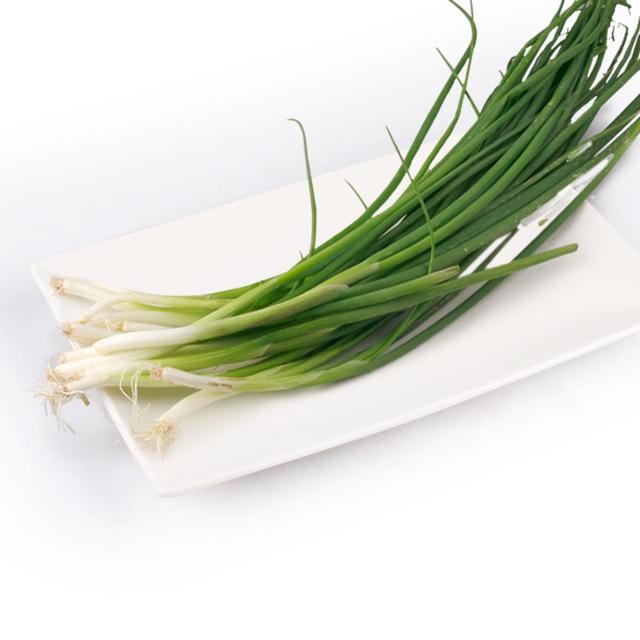
Common dark green vegetables include:Spinach, bok choy, winter amaranth, celery leaves, water spinach (morning glory), lettuce leaves, mustard greens, broccoli, watercress, scallions, garland chrysanthemum, Chinese chives, radish greens, etc. Common red and orange-red vegetables include: tomatoes, carrots, pumpkin, red chili peppers, etc. Common purple-red vegetables: red amaranth, purple cabbage, houttuynia, etc.。
How to cook vegetables properly?
The nutritional value of vegetables is affected not only by factors such as variety, part, place of origin and season, but also by cooking and processing methods. Heating during cooking can reduce the nutritional value of vegetables. Vegetables that can be eaten raw, such as tomatoes, cucumbers and lettuce, should be eaten after washing. The correct methods for cooking vegetables are:
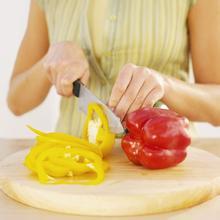
Wash first, cut later:The correct method is to rinse under running water and wash before cutting. Do not soak vegetables in water for too long, otherwise water-soluble vitamins and inorganic salts in the vegetables will be lost excessively.
Stir-fry quickly over high heat: Leafy green vegetables with a high carotene content stir-fried quickly in oil over high heat can not only reduce vitamin loss, but also promote the absorption of carotene.
Add vegetables when the water boils:Vegetables with a high vitamin C content are suitable for eating raw and should be eaten as cold-dressed salads as much as possible; or blanched in boiling water for 1-2 minutes before dressing, or scalded with hot oily broth. Boiling root vegetables in boiling water can soften dietary fiber and improve the texture of the vegetables.
Eat immediately after cooking: Vegetables that have already been cooked should be eaten as soon as possible, along with the broth; cook only what you will eat and eat it fresh, and avoid reheating repeatedly. This is not only because nutrients are lost as storage time lengthens, but also because the nitrate-reducing action of bacteria may increase the nitrite content.
Vegetables and fruits cannot be substituted for each other
Although vegetables and fruits have many similarities in terms of nutritional composition and health effects, they are, after all, two different types of food, each with its own nutritional characteristics. Generally speaking, there are far more varieties of vegetables than fruits, and most vegetables (especially dark-colored vegetables) contain higher levels of vitamins, minerals, dietary fiber and phytochemicals than fruits, so vegetables cannot replace fruits. In the diet, fruits can supplement insufficient vegetable intake; fruits contain more carbohydrates, organic acids and aromatic substances than fresh vegetables, and fruits do not need to be heated before eating, so their nutrients are not affected by cooking factors, so fruits cannot replace vegetables either. It is recommended to have vegetables at every meal and eat fruit every day.
Dietary fiber is an essential dietary component for the human body
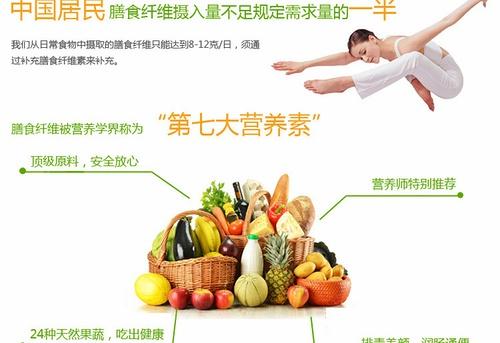
Although dietary fiber cannot be digested or absorbed, it has important physiological functions in the body and is essential for maintaining human health. Dietary fiber helps prevent constipation, abnormal blood lipids and diabetes, and is beneficial to intestinal health.
Dietary fiber is abundant in plant foods, generally containing 3% in vegetables and about 2% in fruits. Due to different processing methods, edible parts and varieties, dietary fiber content also varies. Carrots, celery, shepherd's purse, spinach, Chinese chives, etc. are higher than tomatoes, eggplant, etc., and pineapple, strawberry, water chestnut are higher than banana, apple, etc. For the same vegetable or fruit, the dietary fiber content in the outer skin or peel is higher than in the central part. If it is removed when eating, part of the dietary fiber will be lost. Therefore, when eating uncontaminated vegetables and fruits, people should eat the peel and flesh together as much as possible. It is recommended that normal adults consume 25g-30g of dietary fiber per day.