The right way to eat high-fiber vegetables - are you doing it right?
When it comes to dietary fiber in food,
the first thing you think of,
is it those stringy, sinewy vegetables?
Such as celery, carrots, and so on.
Every time you give your baby dietary fiber,
mothers always end up reaching for the same few vegetables.
But in reality,
the idea that stringy, sinewy vegetables contain more dietary fiber
is a very common nutritional misconception among the general public.

Dietary fiber that is often misunderstood
How exactly is dietary fiber defined?
Dietary fiber includesall food components that cannot be absorbed in the small intestine and can enter the large intestine. According to the degree of solubility, it is divided into soluble dietary fiber and insoluble dietary fiber.
Soluble fiberIt can both dissolve in water and absorb water and swell, and is a type of fiber that can be fermented by microorganisms in the large intestine. It often exists in plant cell sap and intercellular substance, mainly including pectin, plant gum, mucilage, etc.
Insoluble fiberIt cannot dissolve in water and cannot be fermented by microorganisms in the large intestine. It often exists in the roots, stems, trunks, leaves, skins, and fruits of plants, mainly including cellulose, hemicellulose, lignin, etc.
Looking at this definition, you can see that the key criterion for dietary fiber is whether it can be digested and absorbed in the small intestine, and whether it can enter the large intestine. A single type of plant may contain both soluble and insoluble dietary fiber at the same time. Therefore, wethe standard for calculating fiber content is to add the two fiber contents together。
Many people often mistakenly think that whether something gets stuck in your teeth or scratches your throat is the criterion for judging dietary fiber. So, just because a food looks stringy does not mean it is a high-fiber food; just because a food has no strings and does not scratch your throat when eaten does not mean its fiber content is low.
What are the misunderstood "strings"?
So what are those strings in vegetables? They are the plant's vascular bundles, that is, the plant's "blood vessel" system. Through these bundles of resilient tubes, the plant delivers nutrients absorbed by the roots to the upper parts, and delivers nutrients synthesized by the leaves to the lower parts. However, having these strings does not mean the fiber content is high. For example, Chinese cabbage, although it has strings, the fiber content in most of the parts without strings is very low, with an average fiber content of only 0.8%.
You cannot judge by appearance
Foods without strings may not necessarily be low in fiber; they may even be higher. For example, varioustender beansandtender podsare all high-fiber foods. For example,edamamealthough soft in texture after cooking, this does not prevent it from claiming thefiber championamong vegetables (dietary fiber content as high as 4.0%). Tender fava beans at 3.1% and tender peas at 3.0% have an even more delicate and delicious texture, and green beans at 1.5% are quite crisp, with a fiber content much higher than celery stalks (1.2%). The legendary ultra-high-fiber chives have a fiber content of only 1.4%.
In addition to tender beans, vegetables that appear to have no strings, such as Chinese kale (1.6%), spinach (1.7%), amaranth (1.8%), and broccoli (1.6%), also have higher fiber content than celery stalks.
Figuring out the pattern of high-fiber vegetables
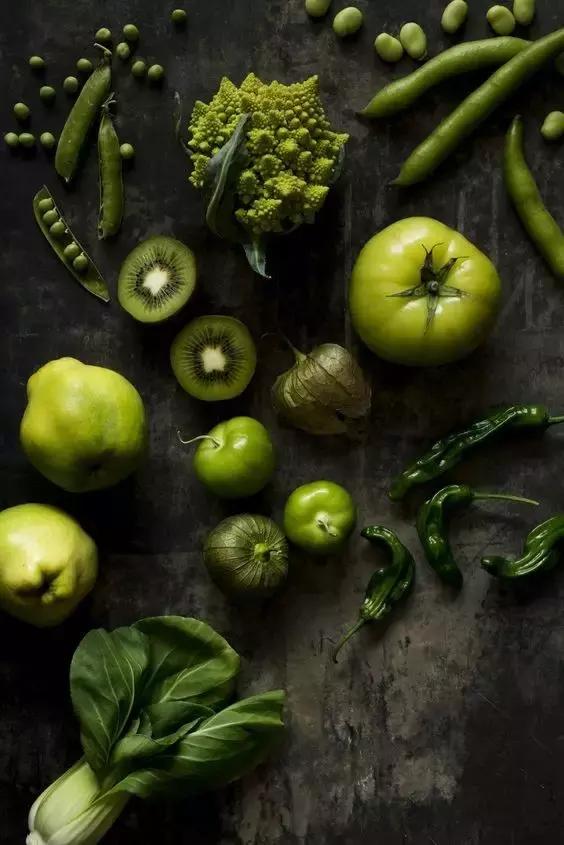
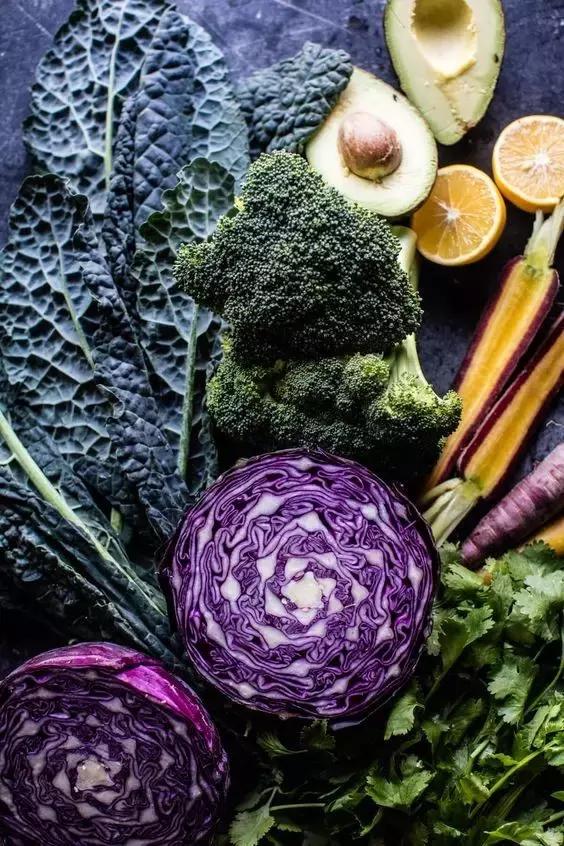
Generally speaking,dark green vegetables have higher fiber than light-colored vegetables.
The fiber content of Chinese cabbage is 0.8%, while bok choy and rapeseed with darker leaves are 1.1%. White cauliflower is 1.2%, green broccoli is 1.6%, and lettuce is only 0.6%.
Why should we supplement dietary fiber?
Providing fuel for gut microbiota
Our intestines contain a large number of symbiotic bacteria, which help us better break down food and absorb nutrients, and also affect human health in many different ways.For most gut bacteria, sufficient dietary fiber allows them to function normally.
Preventing food allergies
A new study shows thateating high-fiber foods rich in vitamin A can effectively prevent food allergy symptoms。
high-fiber foods rich in vitamin A can change gut bacteria and promote the production of short-chain fatty acids. The increase in short-chain fatty acids acts on the immune system, preventing dendritic cells from causing allergic reactions, and dendritic cells are responsible for controlling food allergy reactions.
Preventing and treating constipation
The biggest characteristic of dietary fiber is its strong water-absorbing capacity. If it cannot be fully digested in the intestines, after absorbing water it willspeed up the pace of intestinal peristalsis, facilitating the excretion of waste and gas from the body。
Lowering blood pressure and blood lipids
Cellulose can regulate blood sugar and help prevent diabetes. It can alsoreduce the absorption of fat during digestion, thereby lowering the levels of cholesterol and triglycerides in the blood, and playing a role in preventing and treating high blood pressure and cardiovascular and cerebrovascular diseases.
How to eat high-fiber vegetables?
No fear of cutting or boiling
The characteristic of fiber not being digestible by the human small intestine will not change due to physical processing. Whether chopped or boiled until soft, the fiber will not be destroyed. Therefore, high-fiber foods, when used as filling, although seeming more "tooth-friendly" and more suitable for the elderly and children, will not have any impact on the physiological effects of dietary fiber.
The "meat-loving" characteristic
As mentioned earlier, dietary fiber is divided into insoluble fiber and soluble fiber. Among them, insoluble fiber feels a bit "rough" and tends to make people reluctant to eat it. However, it is not difficult to change this feeling. Because insoluble fiber has a temper - it likesoil. No matter how rough or how high in fiber an ingredient is, as long as you braise it in oil or soak it, it will become soft.
High-fiber vegetables at Xugeng Farm
Carrot
Shanghai, Yantai
Dietary fiber content:3.2g/100g
Carrots contain carotene and vitamin B1, B2, C, D, E, K, as well as folic acid, calcium, and dietary fiber - more than a dozen nutrients in total, allowing the body to absorb nutrition fully and comprehensively. The body absorbs nutrition more comprehensively. In addition, carrots contain plant fiber, which can boost human metabolism and naturally achieve the goal of weight loss.
Spinach
Shanghai, Yantai
Dietary fiber content:2.8g/100g
Spinach contains a large amount of plant crude fiber, which promotes intestinal peristalsis and can also promote pancreatic secretion, helping digestion. Spinach also contains various trace elements that can boost human metabolism and enhance resistance.
Brussels sprouts
Shanghai
Dietary fiber content:3.8g/100g
Originally from the Mediterranean coast, with tender small leaf balls as the edible part, it has been one of the important vegetables in European and North American countries since the 19th and 20th centuries. The small leaf balls of Brussels sprouts have a very high protein content, ranking first among cruciferous vegetables, and their vitamin C and trace element selenium content are also relatively high.
Kale
Shanghai
Dietary fiber content:2.7g/100g
Kale is rich in nutrients, containing large amounts of vitamin A, C, B2, and various minerals, especially high in calcium, iron, and potassium. Its vitamin C content is very high, with vitamin C content in every 100 grams of tender leaves reaching 153.6-220 mg, comparable to broccoli among cruciferous vegetables.
Chinese kale
Yantai
Dietary fiber content:2.1g/100g
Chinese kale's stalks are tender, crisp, fresh, sweet, and delicious. The plump tender flower stalks and young leaves are used for eating. Every 100 grams of fresh Chinese kale stalks contain 92-93 grams of water, 51.3-68.8 mg of vitamin C, and quite a lot of minerals. It is a relatively nutritious vegetable among cruciferous vegetables, and can be stir-fried, used in soup, or served as a side dish.
Cabbage
Yantai
Dietary fiber content:1.8g/100g
Cabbage is extremely low in calories and can also inhibit fat absorption, enhance satiety, and eating more will not exceed your calorie limit! Moreover, the vitamins it contains can effectively inhibit fat absorption. In addition to weight loss, cabbage can also help reduce internal heat and swelling.
Celery
Yantai
Dietary fiber content:2.7g/100g
Every 100 grams of fresh celery contains 3 grams of carbohydrates, 2.2 grams of protein, 0.3 grams of fat, 240 international units of VA, 0.03 mg of VB1, 0.03 mg of VB2, 10 mg of VC, 170 mg of calcium, 34 mg of phosphorus, and 0.5 mg of iron. The VP content in the leaves is very high.
Soybean
Yantai
Dietary fiber content:4.8g/100g
Soybeans are comprehensive in nutrition, with a protein content 2 times higher than pork and 2.5 times that of eggs. The amino acid composition of soybean protein is similar to animal protein, and the amino acids are relatively close to the ratio needed by the human body, so it is easily digested and absorbed.
Some sources:
1. Guokr
2. Diet Science Magazine http://mp.weixin.qq.com/s/XuFL8yykS4RM5Q8JUuOyYw
3. High-fiberdiet alters gut bacteria to protect against food allergy. MNT.2016 June26.
Source: Xugeng Happy Farm
Feel the real farm with just a tap of your finger
To read more related articles, welcome to follow the official account: pntar4