Which anti-cancer vegetables do doctors rush to eat?
Purslane can treat diabetes: Purslane, also called purslane or longevity vegetable. It is generally reddish-brown, with thick, fleshy leaves in a long obovate shape, named because they look like horse teeth. It contains various nutrients such as protein, fat, methionine, riboflavin and ascorbic acid. Because it contains relatively many acidic substances, it tastes slightly sour when eaten.
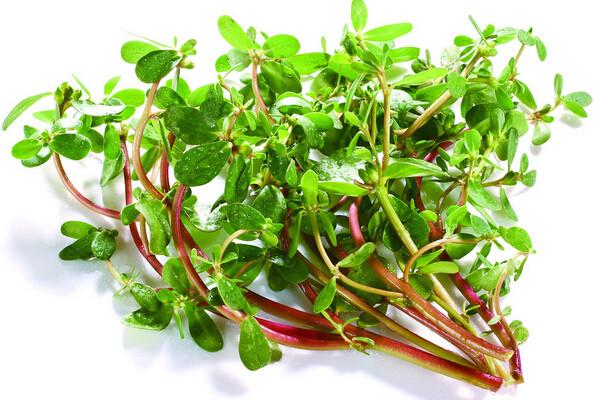
The medicinal function of purslane is to clear heat and detoxify, cool the blood and stop bleeding. Because it is rich in norepinephrine, it can promote the pancreatic islets to secrete insulin, regulate the body's glucose metabolism process, lower blood glucose concentration and keep blood glucose constant, so it has a certain therapeutic effect on diabetes. In addition, it also contains an unsaturated fatty acid that can inhibit the production of cholesterol and triglycerides and has a protective effect on the cardiovascular system. There are many ways to eat it; after blanching, it can be stir-fried, served as a cold dish or used as filling. For example, stir-fried purslane with eggs, steamed buns with purslane filling, or a little garlic purslane cooked to clear heat and stop diarrhea.
Balloon flower resists ulcers: Balloon flower is also called Mingye vegetable or monk's hat, and what Korean people call doraji is this plant. Its branch tips can produce small blue flowers. What we usually eat is the balloon flower root, which has the effects of eliminating phlegm and relieving cough, relieving pain, reducing fever, calming, lowering blood sugar, reducing inflammation, resisting ulcers, resisting tumors and inhibiting bacteria.
Eating dandelion is good for the liver: Dandelion, also called dandelion, has been seen by many people in the wild. Its pollen contains vitamins and linoleic acid, while its stems and leaves contain choline, amino acids and trace elements.
The main functions of dandelion are to clear heat and detoxify, reduce swelling and promote urination. It has broad-spectrum antibacterial effects and can also stimulate the body's immune function, achieving cholagogic and liver-protecting effects. After blanching, it can be eaten raw, stir-fried or made into soup; it can also be combined with green tea, licorice, honey and so on to make a cup of dandelion green tea that can clear heat and detoxify and reduce swelling.
Bitter lettuce can inhibit leukemia: The scientific name of bitter lettuce is Quma vegetable or chicory. The stem is yellowish-white; the leaves are round-lanceolate, green on the surface and grayish-green on the back; the flowers are bright yellow and ligulate. Dried bitter lettuce is rich in elements such as potassium, calcium, magnesium, phosphorus, sodium, iron, manganese, zinc and copper.
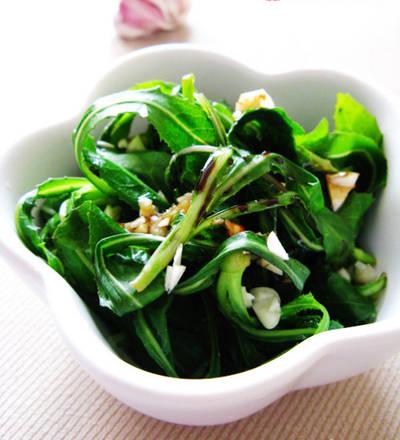
Bitter lettuce can clear heat and dry dampness, reduce swelling and discharge pus, resolve blood stasis and detoxify, cool the blood and stop bleeding. The concentrated ethanol extract of bitter lettuce water decoction has an inhibitory effect on acute lymphocytic leukemia and acute and chronic granulocytic leukemia. Common ways to eat it include garlic mixed bitter lettuce and sauce mixed bitter lettuce.
Eat shepherd's purse to tonify deficiency and strengthen the spleen:
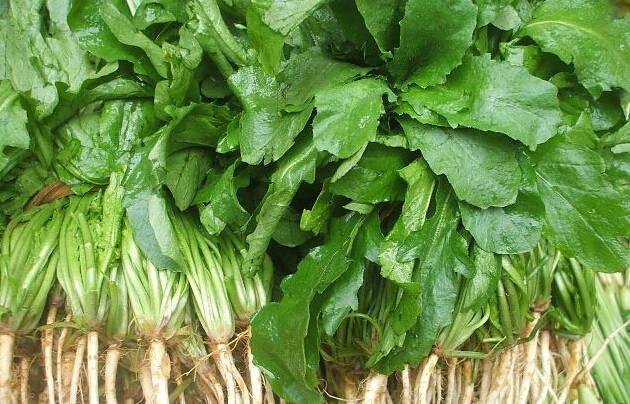
The flowering period of shepherd's purse is from April to June. At field edges, people can often see scattered white shepherd's purse flowers. Its main dietary therapeutic effects are cooling the blood and stopping bleeding, tonifying deficiency and strengthening the spleen, and clearing heat and promoting water metabolism. In spring, pick some tender stems and leaves or overwintering buds of shepherd's purse; after blanching, they can be served as a cold dish, dipped in sauce, made into soup, used as filling or stir-fried, and can also be cooked into delicious shepherd's purse porridge.
Eat amaranth more on dry and hot days:
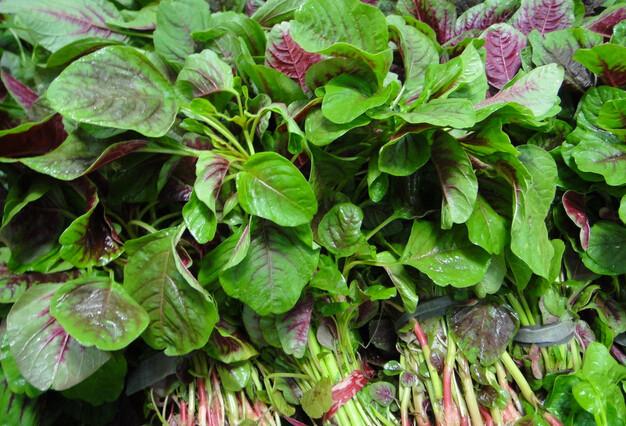
What we generally eat are the relatively tender stems and leaves of amaranth; they have the effects of clearing heat and promoting urination, detoxifying, and nourishing yin and moistening dryness. Besides stir-frying, serving as a cold dish and making soup, amaranth is also often used as filling. For example, cold amaranth and amaranth dumplings.
Water dropwort lowers blood pressure: Water dropwort is also called water celery or river celery. Its stem is hollow, its leaves are triangular, and its flowers are white. It mainly grows in moist places, such as riverbanks and paddy fields. Water dropwort has the effects of clearing heat and detoxifying, moistening the lungs, strengthening the spleen and stomach, promoting digestion and relieving food stagnation, promoting urination, stopping bleeding, lowering blood pressure, resisting hepatitis, resisting arrhythmia and resisting bacteria. What we often eat is water dropwort mixed with peanut kernels.
Aralia sprout tonifies the kidney and boosts essence:
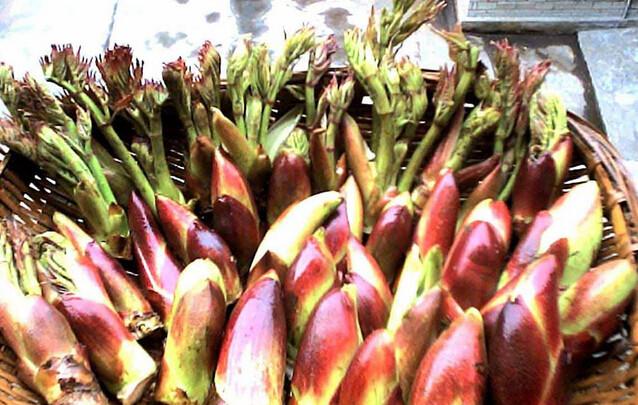
Aralia sprout is also called Aralia elata bud and mainly grows in shrub thickets and forest clearings. Unlike other wild vegetables, it is not a herbaceous plant but a woody plant. Its bark is gray and covered with thick, hard prickles; the flowers are pale yellow-white; the fruit is a berry, spherical and black. The part of Aralia sprout that is eaten is mainly its tender buds, which can play roles such as tonifying qi, activating blood, dispelling wind, promoting dampness, relieving pain, and tonifying the kidney and boosting essence.
Small-root garlic prevents arteriosclerosis: Small-root garlic is also called Chinese garlic or Li garlic. Its stems and leaves look very much like garlic and also have the flavor of scallion and garlic. Its effects are activating yang and transforming qi, opening the chest and dispersing masses, moving qi and relieving stagnation, treating dysentery and inhibiting the increase of lipid peroxides in the blood of patients with hyperlipidemia, preventing atherosclerosis. The main ways to eat it include small-root garlic mixed with tofu, or cooking a little small-root garlic and white fungus porridge.