The Nutritional Value of Cauliflower and Detailed Precautions for Eating It
Click here to enter an image description
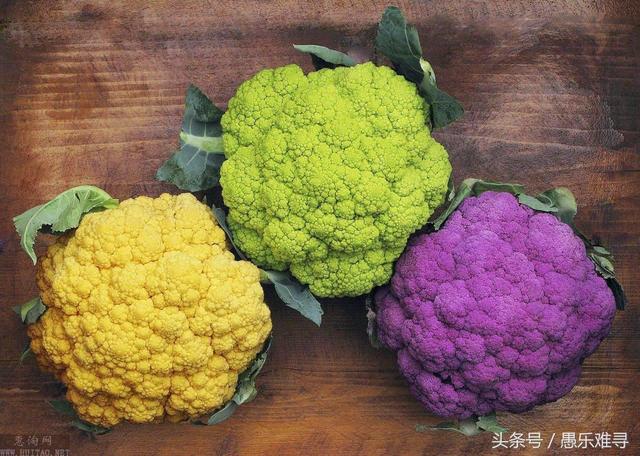
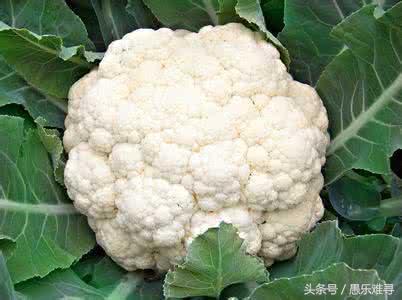
The nutrients in cauliflower are not only high in content but also very comprehensive, mainly including protein, carbohydrates, fat, minerals, vitamin C and carotene, etc. Besides being anti-cancer, it is also rich in ascorbic acid, which can enhance the liver's detoxification ability and improve the body's immunity.
Click here to enter an image description
What cauliflower should not be eaten with
Eating cauliflower with pork liver: cauliflower contains a large amount of fiber, and the aldonic acid residues in the fiber can form chelates with trace elements such as iron, copper and zinc in pork liver, thereby reducing the body's absorption of these elements.
Eating cauliflower with pork lung can cause qi stagnation.
Eating cauliflower with milk: the chemical components contained in cauliflower will affect the digestion of calcium in milk.
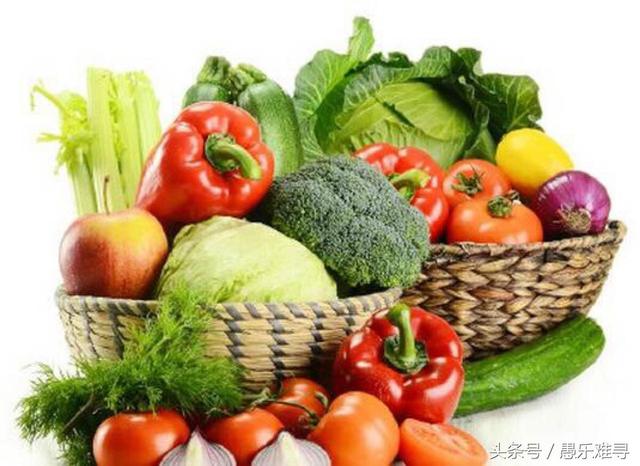
Cauliflower + cucumber: the vitamin C in cauliflower will be destroyed by the decomposing enzymes in cucumber
Cauliflower + Chinese toon: because Chinese toon is rich in calcium, and the chemical components contained in cauliflower will affect the digestion and absorption of calcium. Therefore, Chinese toon is not suitable to be eaten together with cauliflower.
Click here to enter an image description
Also pay attention to the following points:
1. Do not overcook it, for example, stir-frying broccoli until it turns yellow, which will give the vegetable a strong sulfurous smell and cause nutrient loss; it is best to heat it by steaming or in a microwave.
2. Mix different vegetables together, such as cauliflower, kale, plus some radish. Consuming different cruciferous vegetables at the same time is more conducive to the absorption of their nutrients.
3. If you are more sensitive to the bitterness in these vegetables, you can try adding seasonings such as soy sauce, lemon juice or vinegar during cooking, or drizzle a little honey, syrup or jam before taking them out of the pan; a slightly stronger seasoning flavor can mask the bitterness you do not like.
4. Add more garlic and spices during cooking. Garlic is rich in active ingredients that are good for the heart, while spices contain a large amount of antioxidants; at the same time, spices can also reduce the loss of antioxidants in vegetables.
Thank you for watching.