What are alkaline fruits and vegetables? Eating them regularly helps prevent and fight cancer
The main components of alkaline foods (calcium, sodium, potassium, magnesium) are four elements essential for human movement and brain activity. Any food that contains a relatively high total amount of metal elements such as calcium, sodium, potassium and magnesium, and whose final metabolic ash residue in the body is alkaline, is called an alkaline food.
In daily life, you can regularly eat fruits such as lemons, oranges, pomelos, grapes, sugarcane juice, green plums, apples and tomatoes. Although these fruits mostly taste sour, they become alkaline during metabolism in the body and can keep the blood alkaline. These fruits can also "dissolve" the toxins accumulated in cells, which are eventually excreted from the body through the excretory system.
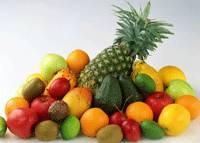
Alkaline fruits
98% of plants are alkaline, except California plums and red raspberries. Almost all fresh vegetables and fruits are alkaline foods. However, vegetables and fruits that have been salted or sugared and fermented, or stir-fried or deep-fried in oil, become acidic foods. The alkaline foods we commonly use include vegetables, fruits, milk, and among nuts, almonds, chestnuts, coconuts and so on.
Alkaline fruits
Specifically, such as green beans, spinach, lettuce, radish, potato, lotus root, onion, pumpkin, kelp, watermelon, banana, apple, pear, strawberry, persimmon, tea and so on. Kelp has an especially high alkalinity and enjoys the reputation of "the king of alkaline foods", so eating kelp 3-4 times a week can maintain the normal acid-base balance of the blood to prevent disease and keep the body healthy.

Alkaline fruits
Foods in which the content of sulfur, phosphorus and chlorine exceeds the content of calcium, magnesium, potassium and sodium are acidic foods. The acidity of acidic foods, in descending order, is: meat, fish, eggs, rice, flour. The metabolic products of meat, eggs, rice, flour, sugar and so on in the body create a cation-carrying acidic constitution (70% of diseases occur in people with an acidic constitution), so a certain amount of alkaline food needs to be eaten to offset the excessive acidic components and restore normal alkalinity.
If a person wants to be healthy, the blood must maintain a slightly alkaline state over the long term, so that waste in the body is easily eliminated and immunity is good. Therefore, eat more alkaline foods: fresh vegetables and fruits are all alkaline foods, which is also the biggest reason why we should eat natural vegetarian food. At each meal, alkaline foods (vegetables and fruits) should make up 75%, and the remaining 25% can be whole grains, protein, natural oils and so on.

Alkaline fruits
1. Fruits that lower blood pressure: hawthorn, watermelon, pear, pineapple
2. Among various vitamins, folic acid is related to the production of DNA. In early pregnancy, folic acid is very important for cell reproduction and repair. It helps the embryo's nervous system develop well and prevents anemia in pregnant women.
Fruits containing folic acid: apple, banana, mango, papaya, kiwifruit.
3. Slowing aging. Among common fruits, kiwifruit is considered the closest to a perfect fruit. It contains rich vitamin C, A and E, folic acid, and trace elements such as potassium and magnesium as well as dietary fiber and other nutrients, while being very low in calories. All of this enables kiwifruit to inject vitality into modern urban people with fast-paced work and mental stress. In addition, the amino acids contained in kiwifruit can help the human body produce hormones and slow aging.
Because kiwifruit is cold in nature, pregnant mothers had better eat less of it.

Alkaline fruits
4. Weight loss and slimming. Some fruits contain rich dietary fiber. Fiber is a carbohydrate that cannot be digested by the small intestine. In the colon, fiber can provide nutrients to the intestinal cavity, which helps promote the body's metabolism and help suppress appetite.
Fruits for weight loss: apple, grapefruit, dragon fruit, durian.
5. Skin care. The human face is exposed to the outside every day, damaged by harmful substances in the air and exposed to ultraviolet rays, so that capillaries contract, sebaceous gland secretion decreases, and the skin becomes dry and dehydrated. Fruits contain rich antioxidant vitamin E and trace elements, which can nourish the skin, and their beauty effect is not comparable to ordinary cosmetics. Moreover, if you smoke or gain weight, that also suggests your body's fat tissue lacks these important components.
Fruits for skin care: banana, mango, cantaloupe, strawberry, orange, apple.
6. Brightening the eyes. Many capillaries are distributed in the fundus of the human eye, and the role of vitamin C is that it can ensure the blood supply to the fundus.
Fruits that protect the eyes: kiwifruit, lemon
7. The natural enemy of cancer. Eating more fruits in the usual diet can reduce the risk of breast cancer, prostate cancer and lung cancer. This is because fruits contain trace elements essential to the human body.
Anti-cancer fruits: banana, kiwifruit, grape, orange, apple
8. Fruits that lower cholesterol: apple, grapefruit, hawthorn
Dear friends, eat more fruit!!