Can eating vegetables as a staple food really help you lose weight?
Eating vegetables for weight loss is a scale that many overweight people keep in their hearts. A heart that wants to be slim is forever racing down the road of weight loss, but you eat little staple food and eat only vegetables and vegetarian food. After struggling for so many years, why has your weight increased instead of decreased?
3 major misconceptions about eating vegetables to lose weight
1
Vegetables are low in calories, so eat them freely
Many people think vegetables are not high in calories. In fact, quite a few vegetables are sugar-rich root and stem ingredients, and their calories can be astonishing. In addition, without meat, eating only vegetables makes it harder for people to feel full. To fill their stomachs, people will eat much more vegetables than usual.
Therefore, when eating vegetables, you must also control your mouth. Vegetables are not the most nutritious and balanced way of eating, and cannot be equated with light meals.
2
Not paying attention to how vegetables are cooked
Vegetables themselves are low in fat and calories, but most vegetables taste naturally light and have a poor mouthfeel. To make vegetables taste more delicious, people add a lot of salt and oil when cooking them, or use a high-oil quick-stir-fry method, resulting in excessive intake of oil and salt.
In this way, people unknowingly take in a large amount of fat. At the same time, vegetables absorb oil, so eating a large amount of vegetables also means taking in quite a bit of oil, and people easily gain weight.
3
Eating staple-food vegetables as ordinary vegetables
After mistakenly eating vegetables that can serve as staple food as ordinary vegetables in large amounts, the body will take in too many carbohydrates. This means that you originally planned to take in fewer calories during weight loss, but the result is the opposite: you took in more carbohydrates, which runs completely counter to the original goal of losing weight.
So never eat those vegetables that can serve as staple food as ordinary vegetables in large amounts. For example: pumpkin, lotus root, Chinese yam, potato, taro, Chinese chestnut, etc. have very high starch content and are not low in calories. For example, the calories of 5 or 6 large Chinese chestnuts are equivalent to a bowl of rice.
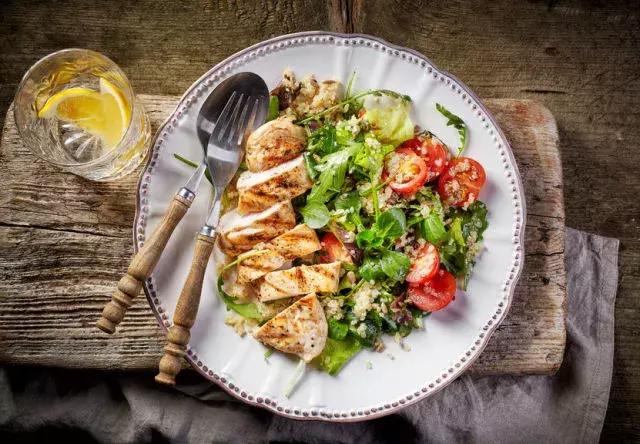
How exactly should you eat vegetables to lose weight?
Control portion size
Three meals a day are indispensable, but the calories taken in at each meal must be strictly controlled. Do not let your stomach eat too much; eating until about 70% to 80% full at each meal is enough. "Eat well at breakfast, eat full at lunch, eat little at dinner." Total calorie intake across the three meals a day should not exceed 2000 kcal.
Pair meat with vegetables
Pairing meat with vegetables allows the two to complement each other nutritionally, can satisfy the various nutrients the human body needs, and can improve a person's metabolic capacity, making the body burn more calories and maintain its figure.
Use less seasoning
Even if some foods are not high in calories themselves, if too much salt, oil and other seasonings such as sugar and peanut butter are added during cooking, a large amount of calories will be added to the original ingredients. In this way, low-calorie foods can also become foods that easily make people gain weight.
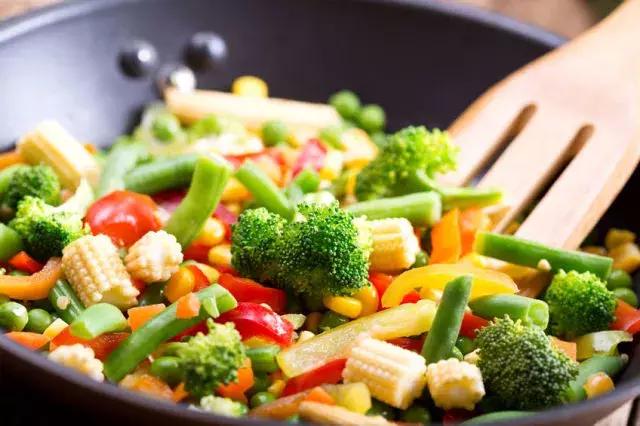
Therefore, vegetables should be cooked by methods such as steaming, blanching, making soup, stewing, quick stir-frying, and cold dressing, with less oil and less salt as the prerequisite. If you want to lose weight just by eating, use less salt, oil and other seasonings when cooking, and keep the diet mainly light.
Chew carefully and swallow slowly
If you wolf down your food and finish the meal on the table all at once, you may not yet feel full. This is because the body generally receives the signal of fullness only about 20 minutes after eating. To lose weight, you must chew carefully and swallow slowly when eating, prolonging the meal time.
Taking in a reasonable amount of vegetables every day helps with weight loss, but if you do not choose the right vegetables and do not use the correct cooking methods, the "weight-loss tool" will also become a "weight-gain tool," dragging down your weight-loss efforts.
*This article is original content by Weiyi and may not be reproduced without authorization. Image source: 123RF licensed image library; some images come from the internet, and copyright belongs to the original authors. If there are any issues, please contact us for handling.
-------------------------------------
Sick, but no time to go to the hospital?
Too busy with work and forgot to care for your health?
Minor illness or pain, and you do not want to line up to register?
Welcome to follow the [Weiyi] official account (weiyi_guahao). With one click, book an expert appointment, consult doctors online without leaving home, buy medicine online conveniently and quickly, and access more accurate medical science content. When you feel unwell, Weiyi is enough.