To Lower Blood Lipids, Try These Six Vegetables
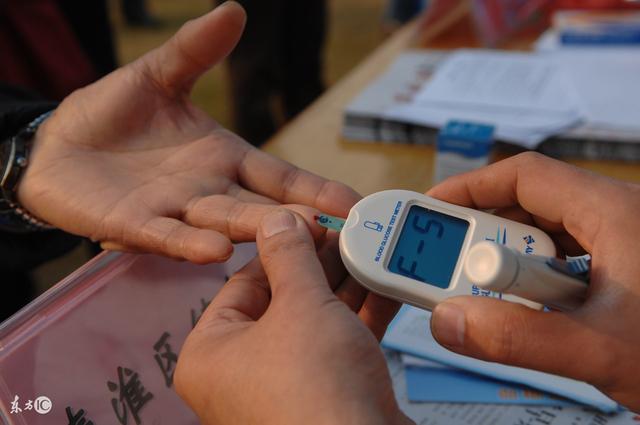
High blood lipids, high cholesterol, high blood pressure, high blood sugar and fatty liver are modern epidemics, so lowering blood lipids and blood pressure has become a hot topic. How to lower blood lipids? Many people choose health supplements, for example deep-sea fish oil is very popular, and some people (including some doctors) once "worshipped" its lipid-lowering effect, but deep-sea fish oil is very expensive in our country.
Must you take supplements or medicines to lower blood lipids? In fact, many cheap and good-quality foods also have a lipid-lowering effect. Here are several foods with relatively good effects.
1. Celery
Traditional Chinese medicine considers celery to be cool in nature. Celery is rich in vitamins and minerals, can enhance gastrointestinal peristalsis, has a very good laxative effect, and can help remove excess fat from the intestinal tract. Research abroad has confirmed that people who regularly eat celery have significantly lower cholesterol levels in their bodies, and it can also noticeably lower blood pressure.
Tip: Celery contains a relatively large amount of coarse fiber and can also speed up gastrointestinal peristalsis, so elderly and weak patients, or patients with long-standing unhealed stomach disease, should reduce their intake of celery.
2. Cauliflower
Cauliflower comes in white and green varieties, and the green one is also called broccoli. The nutritional value of the two is basically the same. Cauliflower is low in calories, very high in dietary fiber, and also rich in vitamins and minerals, so it is also called "a gift from heaven's good medicine."
Cauliflower contains a relatively large amount of flavonoids. Flavonoids are a good blood vessel cleanser, can effectively remove cholesterol deposited on blood vessels, and can also prevent platelet aggregation, reducing the occurrence of heart disease.
Tip: Steaming is the best way to eat cauliflower. Soak the cauliflower in salt water for a few minutes, and the cabbage worms will crawl out, and it can also remove residual pesticides
3. Eggplant
The skin of eggplant is rich in vitamin P, which has a significant effect on lowering blood lipids and cholesterol. Vitamin P can also increase the elasticity of capillaries, improve microcirculation, and has obvious effects on invigorating blood and unblocking the meridians. In addition, eggplant also contains a large amount of saponin, which can also lower cholesterol in the blood. Therefore, eggplant is an ideal food for patients with high blood pressure and arteriosclerosis.
Tip: Deep-frying eggplant will cause a large loss of vitamin P, so deep-frying should be reduced, or the surface should be coated with batter before frying.
4. Garlic
Garlic has an obvious effect on lowering blood lipids and preventing arteriosclerosis, and can effectively prevent thrombosis. Regularly eating garlic can produce a significant protective effect on the cardiovascular system. Garlic is also called "the gold among medicinal plants."
Tip: Garlic should not be pickled for too long, so as to avoid destroying the active ingredients. Patients with digestive tract diseases, liver disease and eye disease should not eat too much.
5. Bitter melon
Bitter melon is cool in nature and bitter in taste, and contains a relatively large amount of bitter melon saponin, which can stimulate insulin release and has a very obvious blood sugar-lowering effect. Bitter melon is also relatively rich in vitamin B1, vitamin C and various minerals, can regulate blood lipids and improve body immunity, and also has the reputation of "plant insulin."
Tip: Patients with chronic enteritis should not eat much bitter melon. When eating it, it is best to stir-fry quickly over high heat, and it should not be stewed for a long time.
6. Chili pepper
Chili pepper has the highest proportion of vitamin C among all foods. Vitamin C can improve the body's microcirculation and reduce capillary fragility. At the same time, vitamin C can also lower cholesterol levels, making it a natural lipid-lowering food. Japanese scholars found that seasoning with capsaicin can promote fat metabolism and prevent fat from accumulating in the body, thus having lipid-lowering and weight-loss effects.
Tip: Eating too much chili pepper will irritate the gastrointestinal mucosa and easily cause stomach pain, gastric ulcers and other diseases. In addition, chili pepper is a very heaty food, so traditional Chinese medicine believes that patients with high blood pressure should use chili pepper with caution.