Which vegetables are suitable for planting in November? These several are just in season
With the gradual development of urbanisation, green vegetables with 0 additives and 0 pollution are increasingly liked by users, because vegetables contain various kinds of fibre, vitamins, minerals and so on, and are one of the nutrient elements needed for healthy living, soNovembersuitable forplanting vegetableswhat are they?
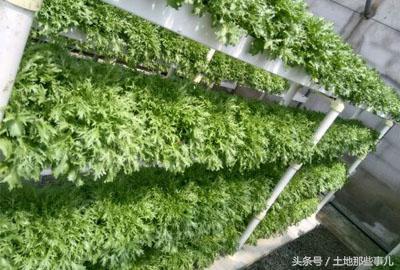
Table of vegetables suitable for planting in November
Broccoli
Broccoli is rich in nutrients, containing protein, sugars, fats, vitamins and carotene, and its nutritional content ranks first among vegetables of the same kind, earning it the title of "crown of vegetables". It also grows vigorously, has fairly strong heat tolerance and cold resistance, and its taste is outstanding too - crisp and refreshing, delicious and fragrant; it can be stir-fried, served as a cold dish, or made into soup, making it a fine product among vegetables.
In addition, based on broccoli's nutritional composition, its benefits are also very notable. Broccoli is one of the foods containing the most flavonoids; besides helping to prevent infection, flavonoids are also the best blood vessel cleanser, able to prevent cholesterol oxidation and stop platelets from clumping, thereby reducing the risk of heart disease and stroke. Some people bruise easily into blue and purple patches as soon as their skin suffers even a small bump or injury, and this is because their body lacks vitamin K. The best way to supplement it is to eat more broccoli.
Pak choi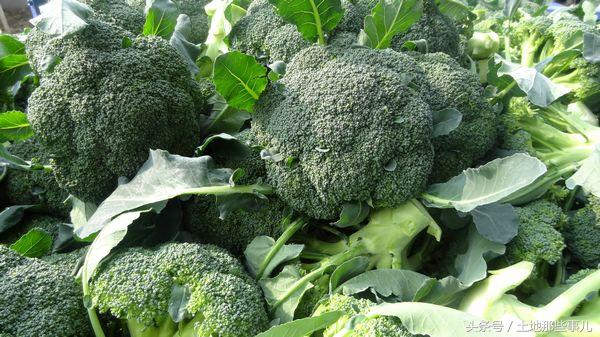
Pak choi is a vegetable native to East Asia, commonly known as green cabbage, also called jiao cai, piao'er cai, piao'er bai, you cai (in some areas of Northeast China), you bai cai and so on, and is a close relative of Chinese cabbage (heading cabbage). According to measurements, pak choi is the vegetable richest in minerals and vitamins. Its root system is shallow, its absorption capacity is weak, and its growing period is short; after direct sowing and thinning to a stand, and after transplanted seedlings have established, it should be top-dressed in good time, and then top-dressed again after an interval of 10
-15 days, using 15-20 kg of urea. Top-dressing should be combined with irrigation to keep the soil moist.
Garlic
Garlic is a cold-tolerant long-day plant. The suitable temperature for growth is 18-20°C; bolting requires a period of low temperature of around 10°C; and bulb formation requires a long day length of more than 12 hours and high temperatures. When exposed to high temperatures above 26°C, the plant dies and the bulb enters a dormant state.
Garlic has a sterilising and disinfecting effect in our daily lives and can prevent flu; garlic can also fight cancer, sterilise, lower blood sugar, and prevent and treat cardiovascular and cerebrovascular diseases and other illnesses.
Green-stem pak choi
Green-stem pak choi is a type of pak choi. Green-stem pak choi likes a mild and cool climate environment; the suitable temperature for seed germination is around 25°C, and within the range of 20-35°C, the higher the temperature, the faster the germination. During the seedling stage it is widely adaptable to temperature, and the suitable temperature for stem and leaf growth is 18-25°C. It likes light, but under conditions of excessively strong light, although the yield is high, the quality becomes poorer; under medium light conditions the growth quality is the best
Moreover, green-stem pak choi has effects such as clearing heat and regulating the stomach and intestines, so people often use it to relieve hangovers and constipation. Green-stem pak choi is also high in calcium, making it an ideal vegetable for preventing and treating vitamin D deficiency (rickets).
Spinach
Spinach is also known as Persian spinach, red-root spinach, parrot spinach and so on. Spinach is called the "model student of nutrition", and is rich in carotene, vitamin C, vitamin K, minerals (calcium, iron and so on), coenzyme Q10 and many other nutrients. After true leaves appear, pour on 1 application of clear manure water; after 2 true leaves, together with thinning and weeding, top-dress first lightly and then more heavily, applying more decomposed manure in the early stage; during the peak growth period, top-dress 2-3 times, with 5-10 kg of urea per mu each time.
Lettuce
Lettuce is fairly adaptable and easy to cultivate, has a short growing period, and has no strict requirements for harvest specifications, so it can be sown in stages and batches and supplied year-round. Lettuce also has the effects of clearing heat and calming the mind, clearing the liver and promoting bile flow, and nourishing the stomach. It is suitable for people with stomach problems and vitamin C deficiency; suitable for obese people and dieters; suitable for people with high cholesterol, neurasthenia and liver and gallbladder disease; eaten raw and eaten regularly, it can help women maintain a slender figure.
Water dropwort
Water dropwort is also known by the names shui ying, xi ben shan qin cai, niu cao, chu kui, dao qin, shu qin and so on. It is widely planted around the world. Among them, the better known ones are watercress native to Europe, highland water dropwort, and garden cress native to western Asia. It not only has high medicinal value, but is also rich in nutrients; its yield is high and stable, and it suffers few pests and diseases, making it a pollution-free food. Water dropwort has basically no requirements for weather and growing environment, and is one of the varieties that fills the winter gap; it is generally marketed in stages from November to the following April, when it is the off-season for most vegetables coming to market, and combined with the market boost from New Year's Day and the Spring Festival, its cultivation returns are relatively good.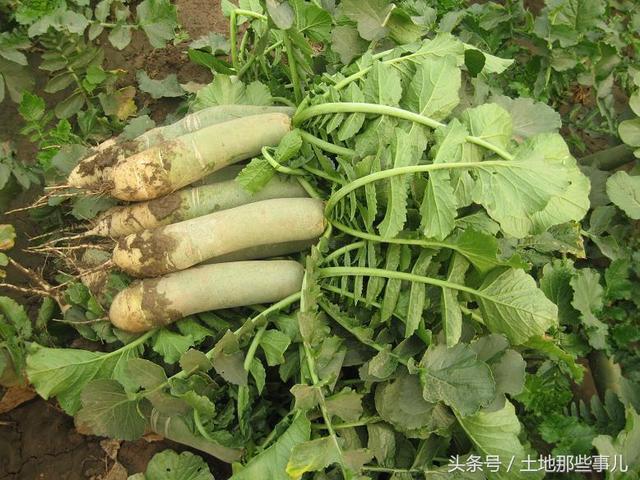 Radish
Common radishes include red radish, green radish, white radish, water radish and xin li mei and so on. Radish likes cold and cool conditions, fears high temperatures, and when sown in spring tends to bolt, so it is best sown in autumn. The leaves are easily attacked by aphids and diamondback moths, and gauze can be used to cover them and prevent pest damage.
Radish contains amylase, which aids digestion; at the same time, radish is sweet and pungent in taste and cool in nature, and has the effects of descending qi and relieving asthma, stopping cough and transforming phlegm, aiding digestion and relieving bloating, promoting urination and bowel movements, and clearing heat and detoxifying.
Early-spring loofah
Planting early-spring loofah helps improve the situation of insufficient vegetable supply; in the north, early-spring greenhouse-grown loofah focuses on early maturity, disease resistance and high quality, with variety choices such as Shanghai fragrant loofah, Nanjing long loofah, Tangdong loofah and so on. For summer coriander there are varieties commonly used in northern areas such as Shandong large-leaf coriander, Laiyang coriander and so on.