What vegetables are good to plant in autumn? Read this and you will know
1. Suit measures to local conditions and choose suitable varieties.
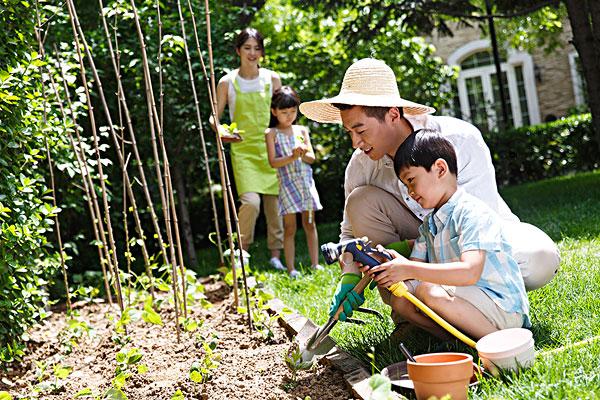
Autumn vegetable production features high temperatures, little rain, and frequent diseases and pests, so it is best to choose excellent varieties that are disease-resistant, heat-tolerant, and high-yielding.
1. Chinese cabbage types: Jingchun Improved Qingza No. 3 Chinese cabbage (Brassica rapa pekinensis), Yihe Autumn Chinese cabbage, etc.;
2. Cabbage types: Shuanghuanwang cabbage, Jingfeng No. 1 cabbage, etc.;
3. Carrot: choose Kuroda Gosun carrot;
4. Autumn cucumber: Boxin 525 green cucumber, Jinyan series cucumber, etc.;
5. Celtuce: Zhongdu summer celtuce, Baisheng Dakong celtuce;
6. Yardlong bean: Gan Kang No. 1, High-Yield No. 4, Touwang Te-Chang No. 2, Youxuan Ganqiu Hong yardlong bean;
7. Red choy sum: Xianghong No. 1, Xianghong No. 2 red choy sum;
8. White radish: Zaoshu Duanye 13, Maerzao, Nanpanzhou white radish;
9. Others: Zhuzhou Xiaoshenlong choy sum, etc.
2. Clean the vegetable garden and prepare well before autumn sowing
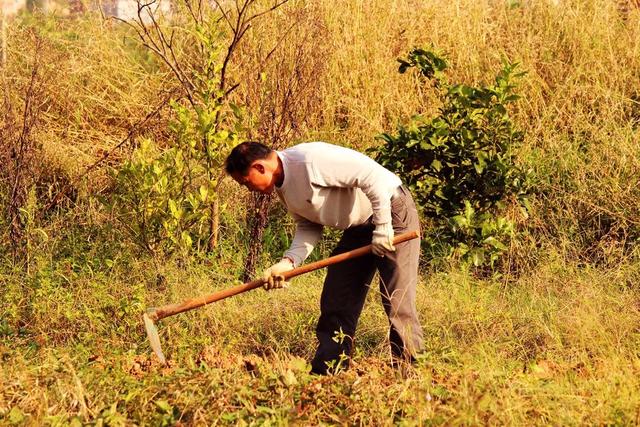
1. Promptly remove diseased plants, residual leaves, and rotten roots from the previous crop of vegetables after the garden is cleared, deep-plough and bake the soil, and use 100-150 kg of quicklime per mu for disinfection to reduce the base number of diseases and pests.
2. Dredge ditches so that the "perimeter ditch, main ditch, and branch ditch" are all connected, so that irrigation can be done at any time when water is needed and drainage can be timely after rain, ensuring no waterlogging.
3. Autumn solanaceous fruit vegetables must be rotated with cruciferous vegetables, allium vegetables, and legume vegetables to reduce the occurrence and spread of various diseases.
4. Apply sufficient base fertilizer: 4000-5000 kg of organic fertilizer per mu, 20-30 kg of imported compound fertilizer, and 100 kg of phosphate fertilizer. Note: In summer and autumn, temperatures are high, so apply as little compound fertilizer as possible to prevent root burn and sprout burn, which affect the normal growth of vegetables.
3. Clear and level the seedbed and sow seeds at the right time
1. Sandy or clay soil must be chosen, deep-ploughed and baked, raked fine, and leveled. The seedbed soil should be disinfected with quicklime, or disinfected with a 1000-1500 times dilution of 70% Dexon.
2. Apply well-rotted human and animal manure 10-15 days before sowing. When sowing, water the soil thoroughly, set up a shade shed, and after sowing the seeds, cover with a thin layer of sand or plant ash, and cover with multiple layers of shade netting or insect-proof netting. After the seedlings emerge, water and spray promptly to keep the seedlings growing normally.
3. Specific sowing times for autumn-sown varieties. Yardlong bean types: July 15-August 10; cabbage types: early July-early August; Chinese cabbage types: early to mid-August; white radish: early August-late August; carrot: late July-early August; celtuce types: early August-late August; red choy sum: early August; choy sum: early August.